ZRG Strikes Gold
•
Telenor Microfinance Bank awards ZRG OneView Contact Center System
•
ZRG Receives 5th Consecutive Achievement Gold Award from FPCCI
•
Al Baraka Bank Chooses ZRG OneView CMS Software
•
PSO Awards Contact Center Tender To ZRG
•
ZRG Strikes Gold
•
Telenor Microfinance Bank awards ZRG OneView Contact Center System
•
ZRG Receives 5th Consecutive Achievement Gold Award from FPCCI
•
Al Baraka Bank Chooses ZRG OneView CMS Software
•
PSO Awards Contact Center Tender To ZRG
•
ZRG Strikes Gold
•
Telenor Microfinance Bank awards ZRG OneView Contact Center System
•
ZRG Receives 5th Consecutive Achievement Gold Award from FPCCI
•
Al Baraka Bank Chooses ZRG OneView CMS Software
•
PSO Awards Contact Center Tender To ZRG
•
ZRG Strikes Gold
•
Telenor Microfinance Bank awards ZRG OneView Contact Center System
•
ZRG Receives 5th Consecutive Achievement Gold Award from FPCCI
•
Al Baraka Bank Chooses ZRG OneView CMS Software
•
PSO Awards Contact Center Tender To ZRG
•
History, Walking Tours, Day Trips, Festivals, and Immersive Experiences
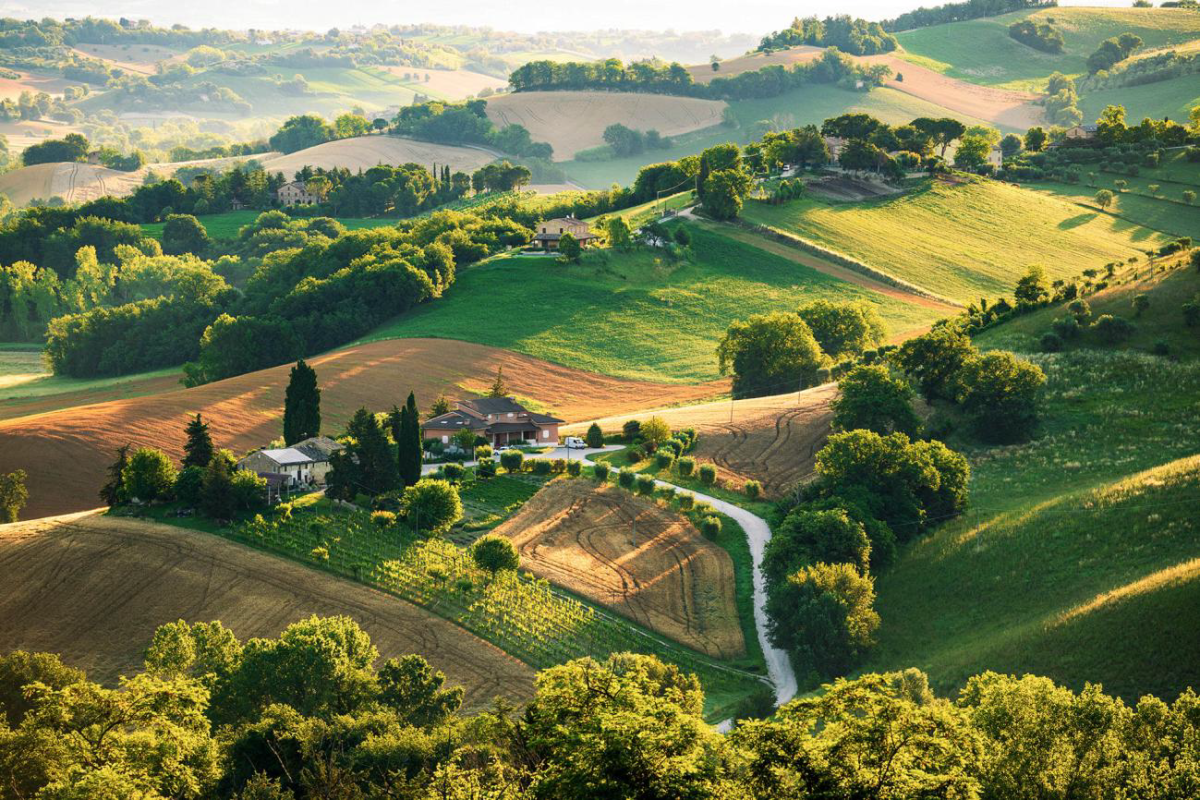
Le Marche is one of Italy’s most quietly compelling regions. Framed by the Apennine Mountains on one side and the Adriatic Sea on the other, it is a place of balance rather than spectacle. Pilgrimage towns, Renaissance courts, working ports, and hilltop villages coexist here without competing for attention.
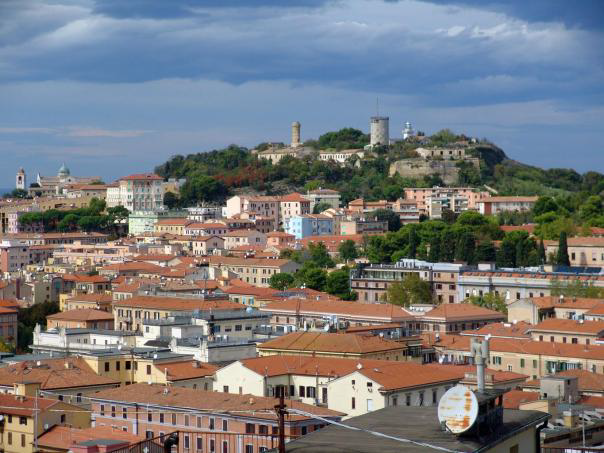
At the heart of the region is Ancona, a city shaped by movement, trade, and resilience. This blog accompanies Episode 11 of the Immersion Travel Italy Podcast: Regional Capitals of Italy series, offering deeper detail, practical planning tips, and ideas for experiencing Le Marche slowly and meaningfully.
A Brief History of Le Marche and Ancona
Le Marche’s history begins long before Rome, with Italic peoples such as the Piceni inhabiting the region. In the 4th century BC, Greek settlers founded Ancona, naming it Ankon, meaning “elbow,” for the curve of its natural harbor.
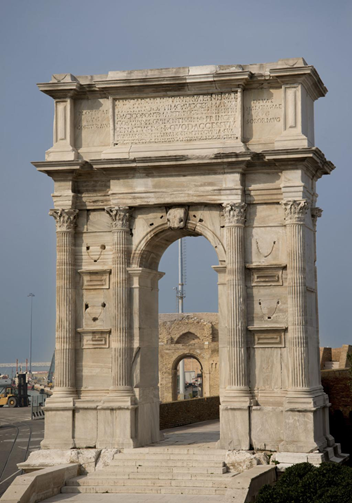
Under Roman rule, Ancona became a vital Adriatic port. Emperor Trajan expanded the harbor in the early 2nd century AD, and his triumphal arch still stands near the waterfront today.
After the fall of Rome, the region passed through Lombard, Byzantine, and local control before becoming part of the Papal States. Unlike regions dominated by a single ruling dynasty, Le Marche developed as a network of independent towns, each retaining a strong civic identity.
Ancona itself emerged as a medieval maritime republic, trading across the Adriatic while maintaining relative independence. In the 19th century, the region became part of the unified Kingdom of Italy. During World War II, Ancona suffered heavy bombing due to its port, but it rebuilt without losing its essential character.
Today, Le Marche remains one of Italy’s most balanced regions, where history and daily life remain deeply intertwined.
Walking Tour of Ancona
Ancona is best understood on foot. The city rises from the port toward its hilltop cathedral, and the physical climb mirrors its layered history.
Coffee Stop
Begin your morning at Pasticceria Caffè Giuliani, a local favorite for espresso and pastries. This is a classic Ancona experience, unhurried and authentic.
Roman Ancona
Walk toward the harbor to see the Arch of Trajan, built to honor the emperor’s expansion of the port. It stands quietly, elegant and restrained, a reminder of Ancona’s Roman importance.
Cathedral of San Ciriaco
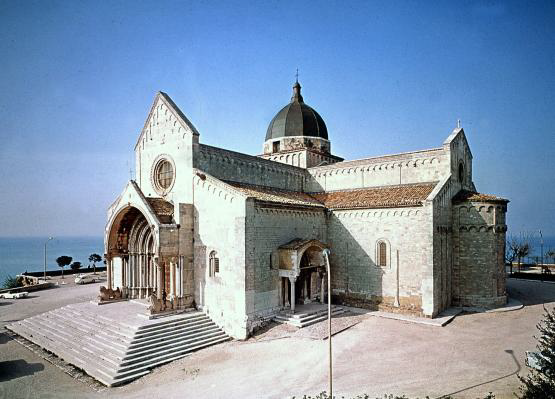
Climb toward the Cathedral of San Ciriaco, perched on Guasco Hill. The cathedral blends Romanesque and Byzantine influences, reflecting Ancona’s long relationship with the eastern Mediterranean. The views over the Adriatic are some of the best in the city.
Lunch
For lunch, stop at Trattoria La Moretta, a highly rated, local restaurant serving traditional Marche cuisine. This is the kind of place locals return to again and again.
Afternoon by the Sea
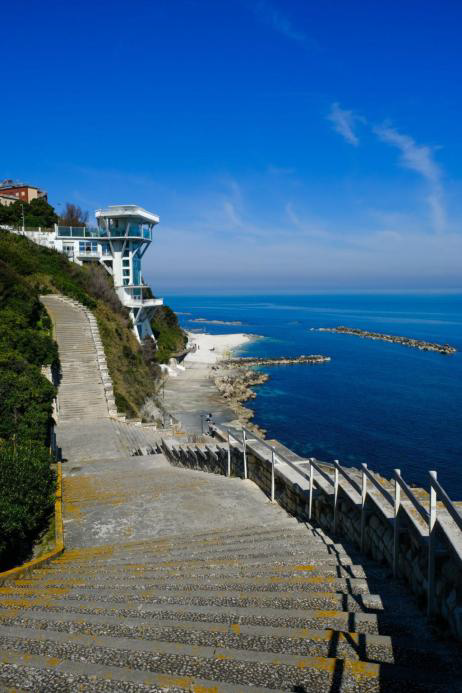
End your walk at the Passetto Monument, where stairways lead down to the water and locals gather to walk and watch the sea.
Day Trips from Ancona by Train
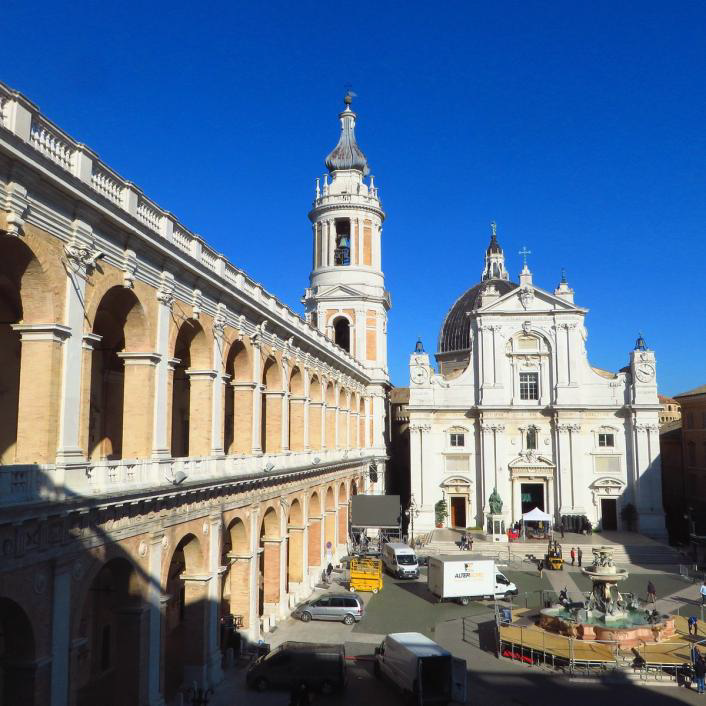
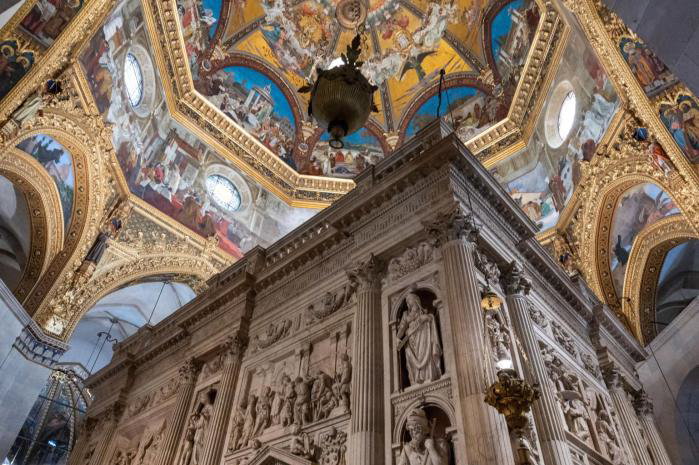
Loreto By train: about 30 minutes, direct Loreto is one of Italy’s most important pilgrimage destinations. According to tradition, the Holy House of the Virgin Mary was transported here from Nazareth in the late 13th century. The Basilica della Santa Casa was built to protect the small stone house at its center. Encased in marble designed by Donato Bramante, the Holy House’s simplicity contrasts powerfully with the surrounding Renaissance grandeur. Festival: Loreto’s most important celebration is the Feast of the Translation of the Holy House on December 10, marked by candlelit processions and quiet devotion.
Recanati
By train: about 35 minutes, direct Recanati is a town of reflection and poetry, best known as the birthplace of Giacomo Leopardi. Visit Casa Leopardi, walk through Piazza Giacomo Leopardi, and explore the cathedral of San Flaviano. Recanati’s streets open onto sweeping countryside views that help explain the introspective nature of its most famous son.
Urbino
By train: Ancona to Pesaro, then bus to Urbino
Urbino is one of Italy’s great Renaissance centers and a UNESCO World Heritage Site.
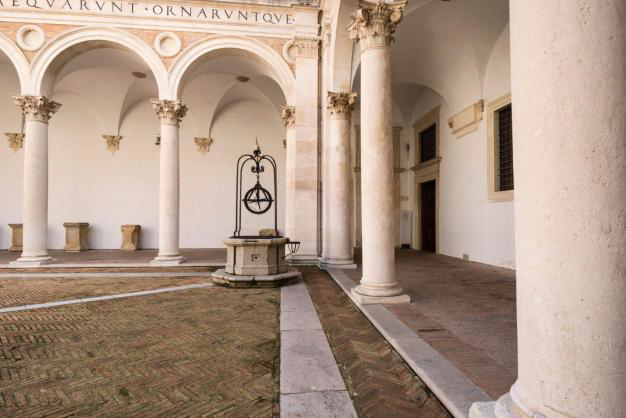
Under Federico da Montefeltro, Urbino became an ideal Renaissance court. The Palazzo Ducale Urbino reflects harmony, learning, and humanist ideals. Urbino is also the birthplace of Raphael.
Experiences in and Around Ancona
Boat Tours and Sea Caves
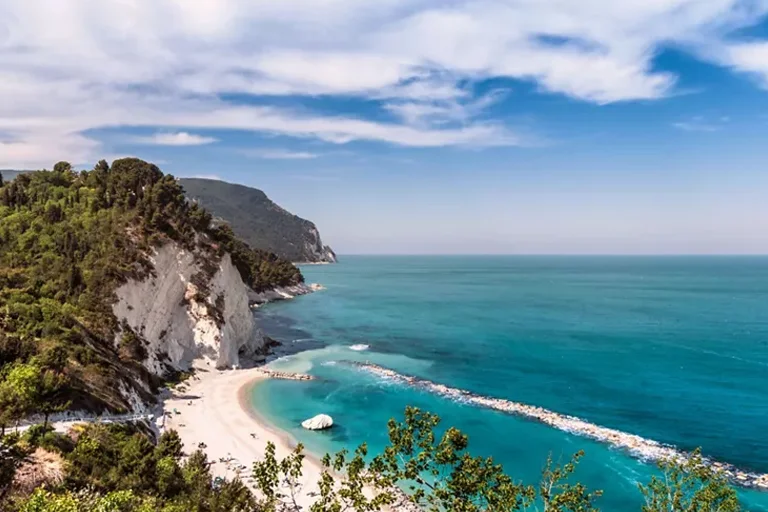
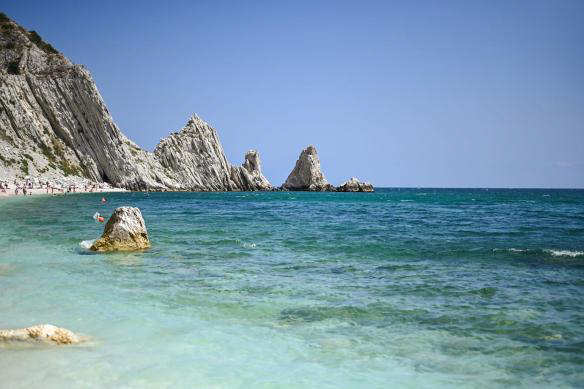
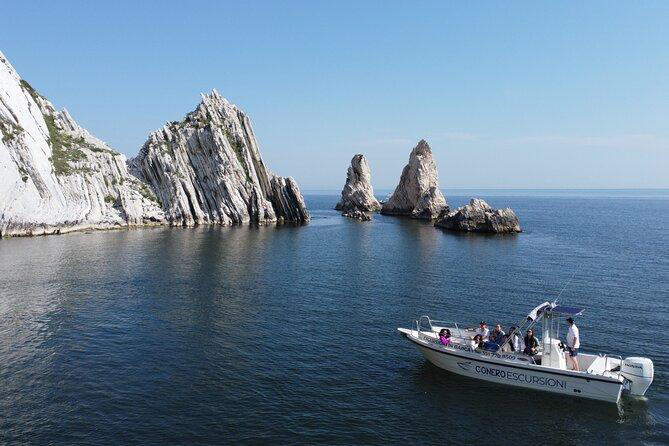
Boat tours along the Riviera del Conero explore limestone cliffs, hidden coves, and sea caves inaccessible by land. Tours depart from Ancona, Numana, and Sirolo.
Ancona & Conero Boat Tours
Conero Experience – Highly rated boat tour operator offering coastal excursions from Ancona with history and beautiful views.
Conero Explorer – Local operator with excellent reviews for personalized tours.
Conero Funboat – Gite in Barca da Numana – Riviera del Conero – Sirolo – Based in Numana, perfect for exploring cliffs, sea caves, and swimming spots.
Conero Beautiful Boat – Gite in barca sul Conero – Another highly regarded tour provider for scenic cruises and swimming stops.
Conero d’Amare – Escursioni in Barca Riviera del Conero – Large operation with extensive route options along the Conero coast.
KONERO BROTHERS ESCURSIONI IN BARCA RIVIERA DEL CONERO NUMANA E SIROLO – Well-reviewed local operator for personalized tours.
Ferrymen Riviera del Conero – Popular choice from Numana with frequent departures and options for shorter excursions.
CONERO BOAT – Another local agency — check schedules (reviews vary).
Paper Making in Fabriano
About an hour from Ancona by train, Fabriano is famous for handmade paper. The Museo della Carta e della Filigrana offers demonstrations and workshops using traditional methods.
Paper and Watermark Museum – Official site for the Museo della Carta e della Filigrana in Fabriano. Website:http://www.museodellacarta.com/
The museum offers hands-on workshops where you can learn traditional handmade paper techniques, including watermark creation, and take home your own sheet of paper.
Feast of San Ciriaco (early May): Honoring Ancona’s patron saint at the Cathedral of San Ciriaco.
Adriatico Mediterraneo Festival (late summer): Music and cultural performances celebrating Ancona’s Mediterranean identity.
Final Thoughts
Le Marche is not a region that overwhelms. It rewards patience, curiosity, and attention. From Ancona’s port to Urbino’s humanist court, from Loreto’s devotion to Recanati’s poetry, this is Italy experienced quietly and deeply.
For more details, walking routes, and future updates, visit katerinaferrara.com/blogs.
I’m also currently working on upcoming Le Marche and Umbria travel guides, which will expand on these towns, festivals, and immersive experiences.
To stay updated, sign up for the free Immersion Travel Italy newsletter, where I share new episodes, seasonal travel ideas, and behind-the-scenes planning.