ZRG Strikes Gold
•
Telenor Microfinance Bank awards ZRG OneView Contact Center System
•
ZRG Receives 5th Consecutive Achievement Gold Award from FPCCI
•
Al Baraka Bank Chooses ZRG OneView CMS Software
•
PSO Awards Contact Center Tender To ZRG
•
ZRG Strikes Gold
•
Telenor Microfinance Bank awards ZRG OneView Contact Center System
•
ZRG Receives 5th Consecutive Achievement Gold Award from FPCCI
•
Al Baraka Bank Chooses ZRG OneView CMS Software
•
PSO Awards Contact Center Tender To ZRG
•
ZRG Strikes Gold
•
Telenor Microfinance Bank awards ZRG OneView Contact Center System
•
ZRG Receives 5th Consecutive Achievement Gold Award from FPCCI
•
Al Baraka Bank Chooses ZRG OneView CMS Software
•
PSO Awards Contact Center Tender To ZRG
•
ZRG Strikes Gold
•
Telenor Microfinance Bank awards ZRG OneView Contact Center System
•
ZRG Receives 5th Consecutive Achievement Gold Award from FPCCI
•
Al Baraka Bank Chooses ZRG OneView CMS Software
•
PSO Awards Contact Center Tender To ZRG
•
Welcome to Immersion Travel Italy, where we do not just visit Italy, we experience it.
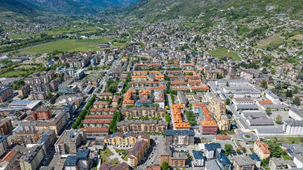
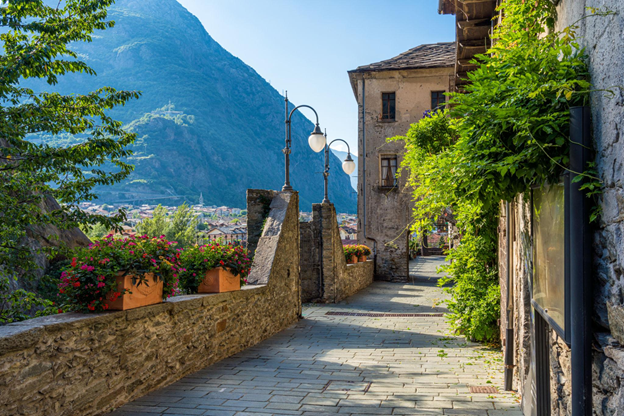
In this episode, we travel to Aosta, capital of the Val d’Aosta, Italy’s smallest and least populated region. With just over 30,000 residents in the city and roughly 125,000 in the entire region, this is a place that feels intimate, grounded, and deeply connected to its landscape.
Yet small does not mean insignificant.
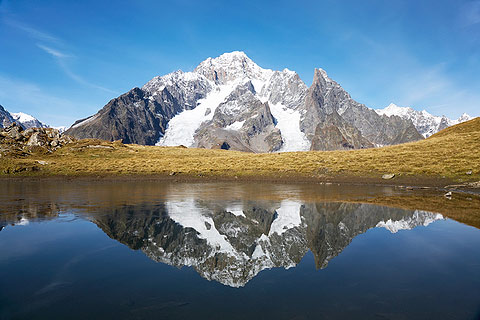
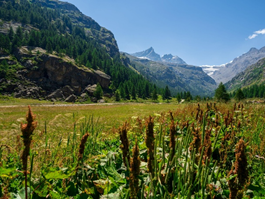
This is one of Italy’s most quietly powerful regions. Roman streets still guide daily life. Medieval towers rise against snow capped peaks. Italian and French coexist in everyday speech. And towering above it all are four of the Alps’ most iconic mountains:
• Mont Blanc • Monte Rosa • Gran Paradiso • The Matterhorn
Founded in 25 BC as Augusta Praetoria Salassorum, Aosta was built by Emperor Augustus after defeating the Salassi tribe who controlled the Alpine passes.
Rome did not tolerate interference with trade routes.
What makes Aosta extraordinary is not simply that Roman ruins exist. It is that they still define the city.
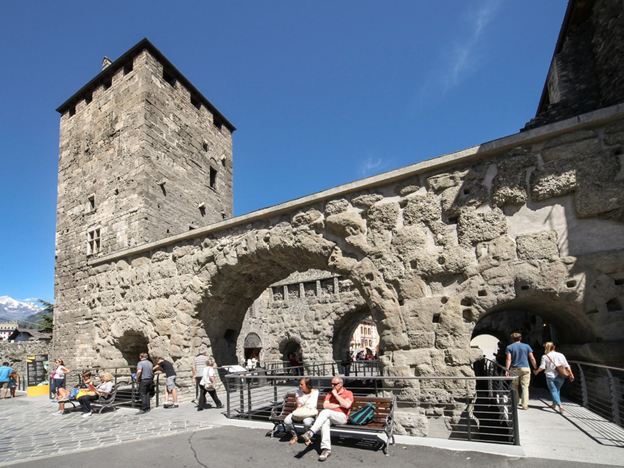
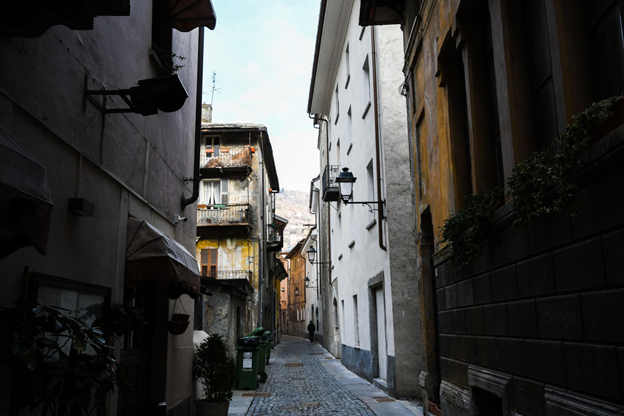
You can walk through the original Roman grid. You pass through the Porta Praetoria, one of the best preserved Roman gates in northern Italy. You stand beneath the Arch of Augustus, still marking the eastern entrance to the ancient city.
And then there is the Roman Theatre of Aosta, its dramatic stone façade rising nearly twenty meters high against the Alpine backdrop.
Rome never left Aosta. Medieval builders reinforced Roman walls instead of tearing them down. The city evolved inside its ancient shell.
From Empire to Faith
As the Roman Empire weakened, Aosta adapted rather than collapsed.
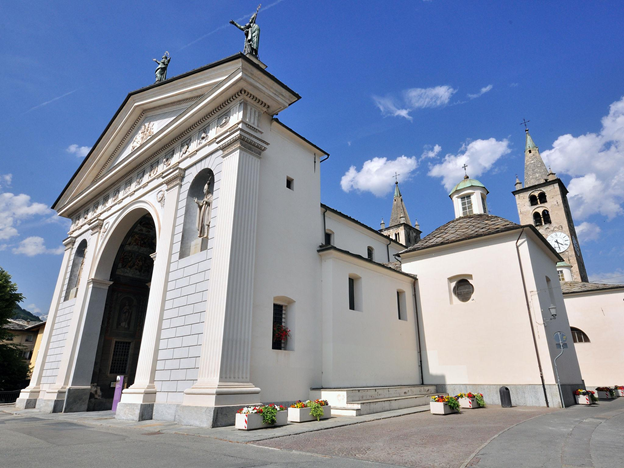
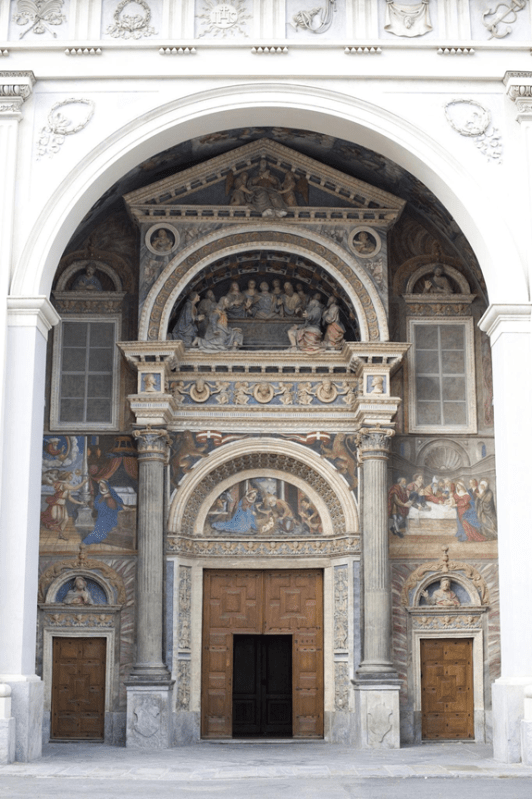
Christianity arrived early, and the city became an episcopal seat by the fourth century. The Aosta Cathedral sits on Roman foundations and reflects centuries of continuity.
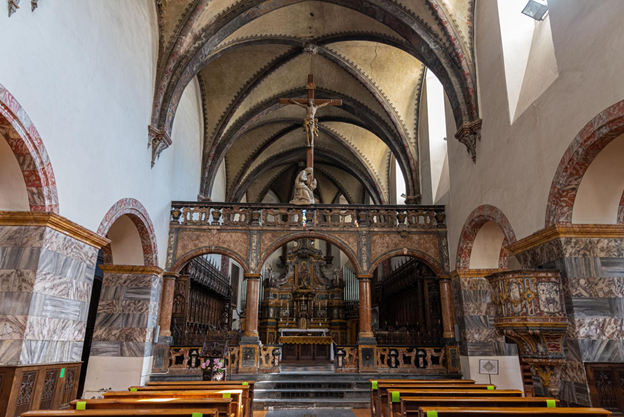
Nearby, the Sant’Orso complex offers one of the most atmospheric cloisters in the Alps, with carved Romanesque capitals depicting biblical scenes and daily life.
Aosta does not reinvent itself. It transforms.
Medieval Power and the House of Savoy
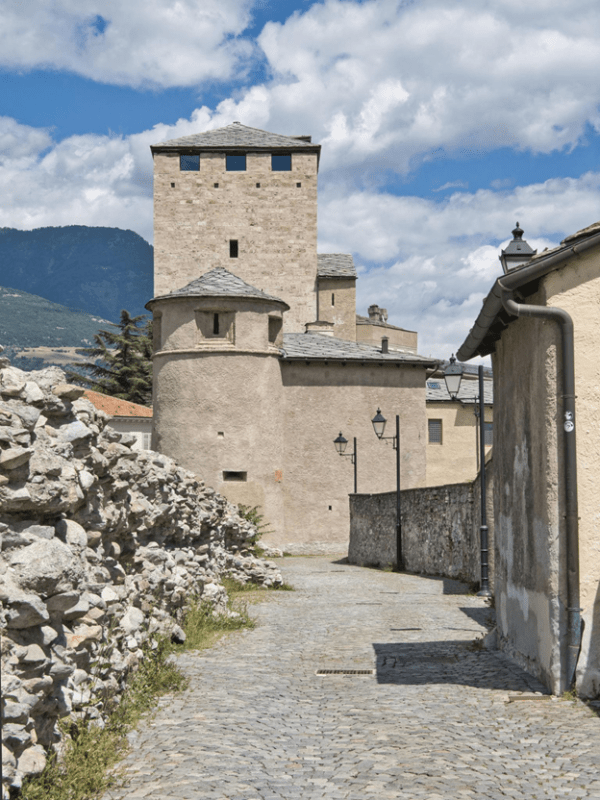
In the Middle Ages, tall stone towers rose across Aosta. Families built upward to signal dominance and permanence.
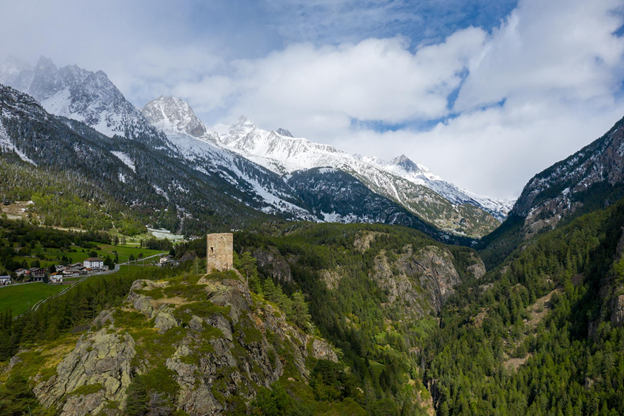
From the eleventh century onward, the region came under the control of the House of Savoy, whose territories stretched across modern Italy, France, and Switzerland.
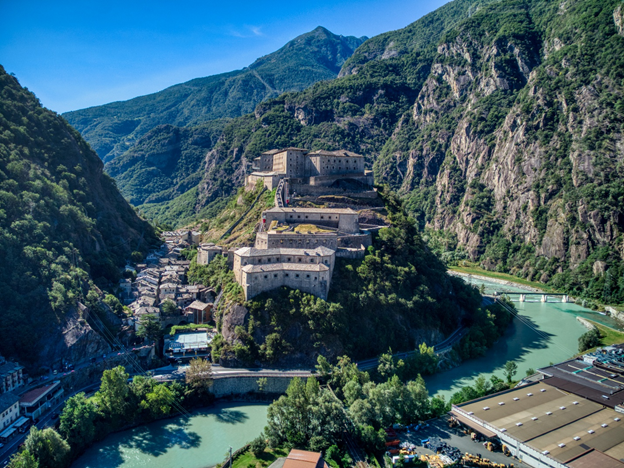
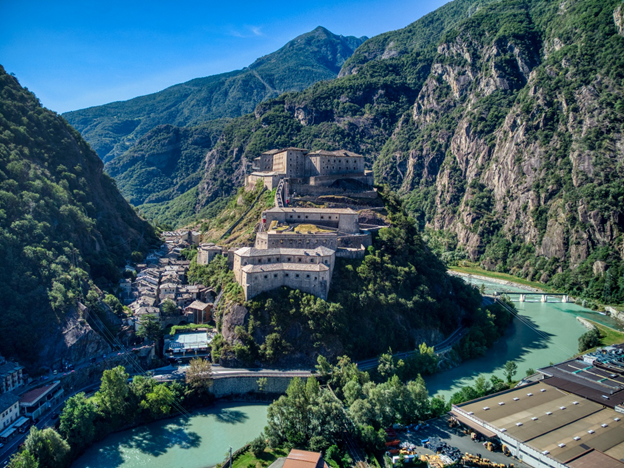
Castles were built throughout the valley as instruments of control. One of the most dramatic is the Fort of Bard, perched at a narrow choke point in the valley.
Napoleon famously struggled to pass this fortress in 1800. Geography defeated even him.
Walking Aosta Today
Aosta feels compact, human, and confident.
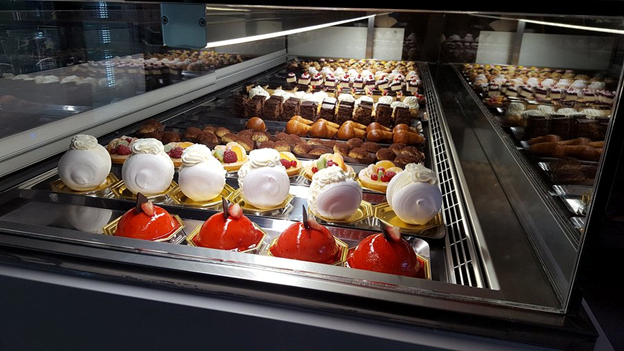
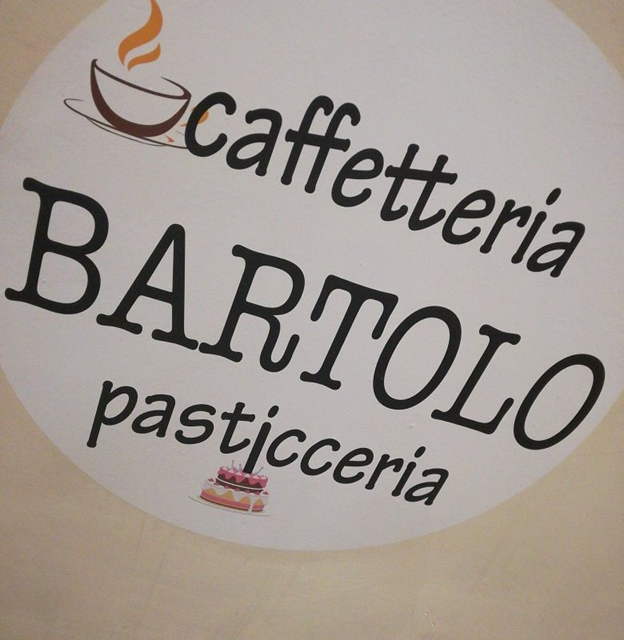
Start your morning with espresso at Caffetteria Bartolo Pasticceria, or try traditional tegole valdostane at Pasticceria Mafrica, serving locals since the early 1900s.
Walk toward Piazza Chanoux, the heart of modern civic life. Sit outside with an aperitivo and watch the mountains catch the late afternoon light.
This is not a museum city. It is a working regional capital layered over two thousand years of history.
What to Eat in Val d’Aosta
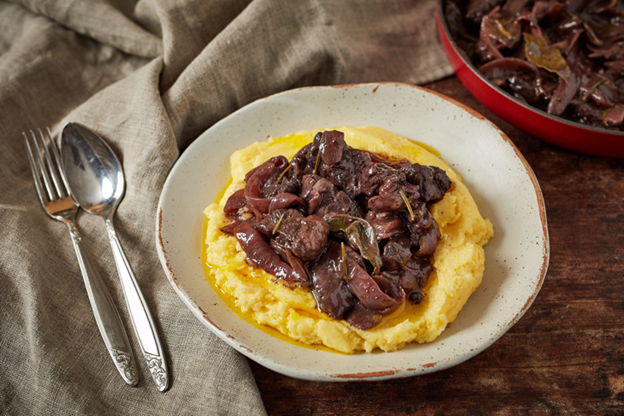
Val d’Aosta cuisine is mountain food. Rich. Practical. Designed for cold winters.
For authentic regional cooking, consider Trattoria Praetoria near the Porta Praetoria or Osteria da Nando.
Day Trips from Aosta
Courmayeur and Mont Blanc
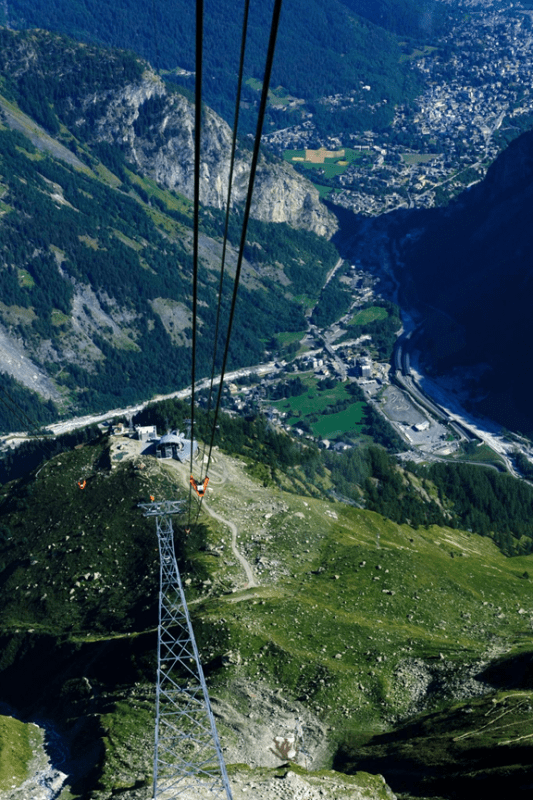
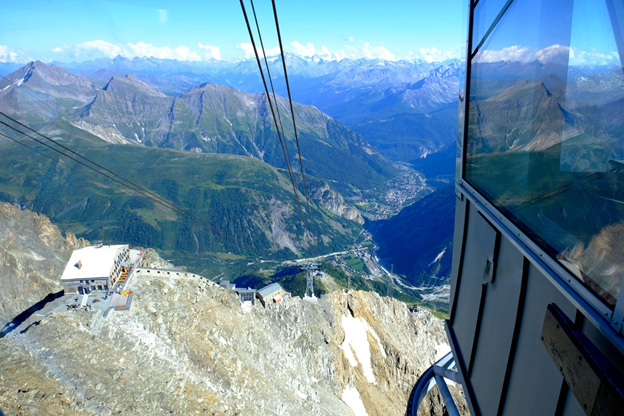
Just over an hour away, Courmayeur sits at the foot of Mont Blanc. Take the Skyway Monte Bianco to Punta Helbronner at 3,466 meters for one of the most dramatic views in Europe.
Bard and the Fortress
The Fort of Bard commands the valley at its narrowest point. Walk the ramparts and understand immediately why this location mattered for centuries.
Breuil-Cervinia and the Matterhorn
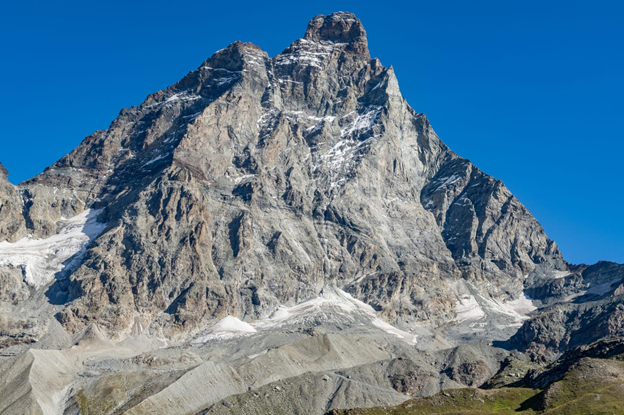
At 2,050 meters, Breuil-Cervinia sits directly beneath the Matterhorn’s Italian face. Even if you do not ski, seeing this mountain in person is unforgettable.
Outdoor Adventure Year Round
In winter, take the gondola from Aosta to Pila in just 18 minutes.
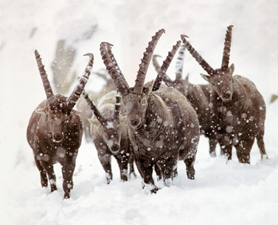
In summer, hike inside Gran Paradiso National Park, Italy’s oldest national park, established in 1922 to protect the Alpine ibex.
This region does not belong to one season.
Winter brings skiers. Summer brings hikers and cyclists. Spring and fall bring travelers who want depth without crowds.
Aosta works all year.
Why Aosta Endures
The Roman walls still stand. The mountain passes still carry movement. The function of this valley has never changed.