ZRG Strikes Gold
•
Telenor Microfinance Bank awards ZRG OneView Contact Center System
•
ZRG Receives 5th Consecutive Achievement Gold Award from FPCCI
•
Al Baraka Bank Chooses ZRG OneView CMS Software
•
PSO Awards Contact Center Tender To ZRG
•
ZRG Strikes Gold
•
Telenor Microfinance Bank awards ZRG OneView Contact Center System
•
ZRG Receives 5th Consecutive Achievement Gold Award from FPCCI
•
Al Baraka Bank Chooses ZRG OneView CMS Software
•
PSO Awards Contact Center Tender To ZRG
•
ZRG Strikes Gold
•
Telenor Microfinance Bank awards ZRG OneView Contact Center System
•
ZRG Receives 5th Consecutive Achievement Gold Award from FPCCI
•
Al Baraka Bank Chooses ZRG OneView CMS Software
•
PSO Awards Contact Center Tender To ZRG
•
ZRG Strikes Gold
•
Telenor Microfinance Bank awards ZRG OneView Contact Center System
•
ZRG Receives 5th Consecutive Achievement Gold Award from FPCCI
•
Al Baraka Bank Chooses ZRG OneView CMS Software
•
PSO Awards Contact Center Tender To ZRG
•
Abruzzo is one of Italy’s most underestimated regions—and one of its most rewarding.
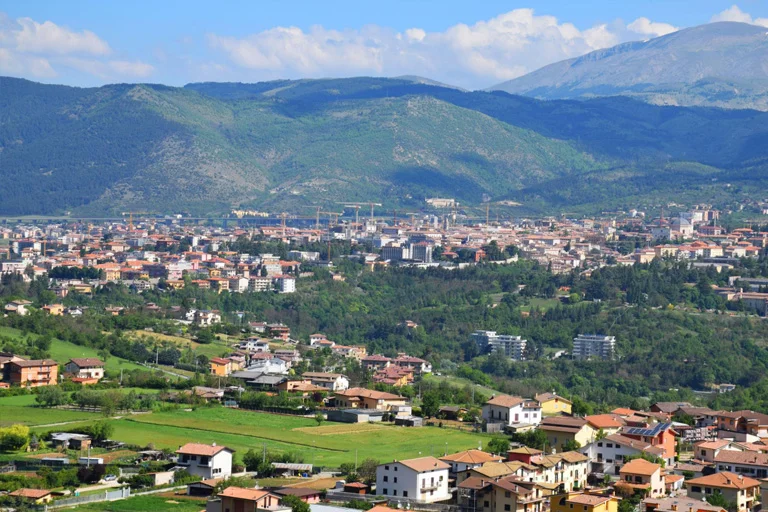
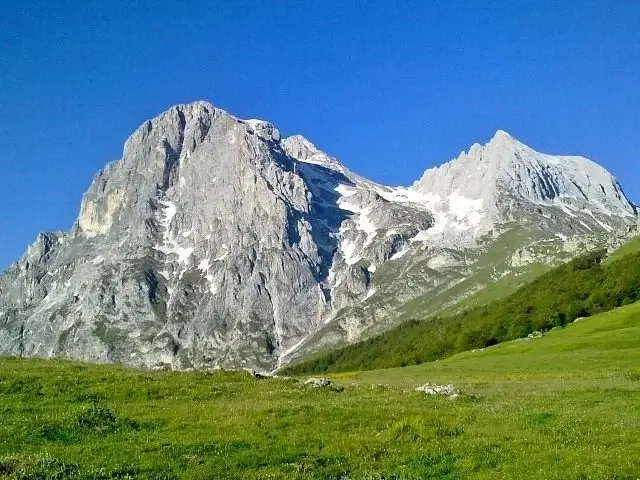
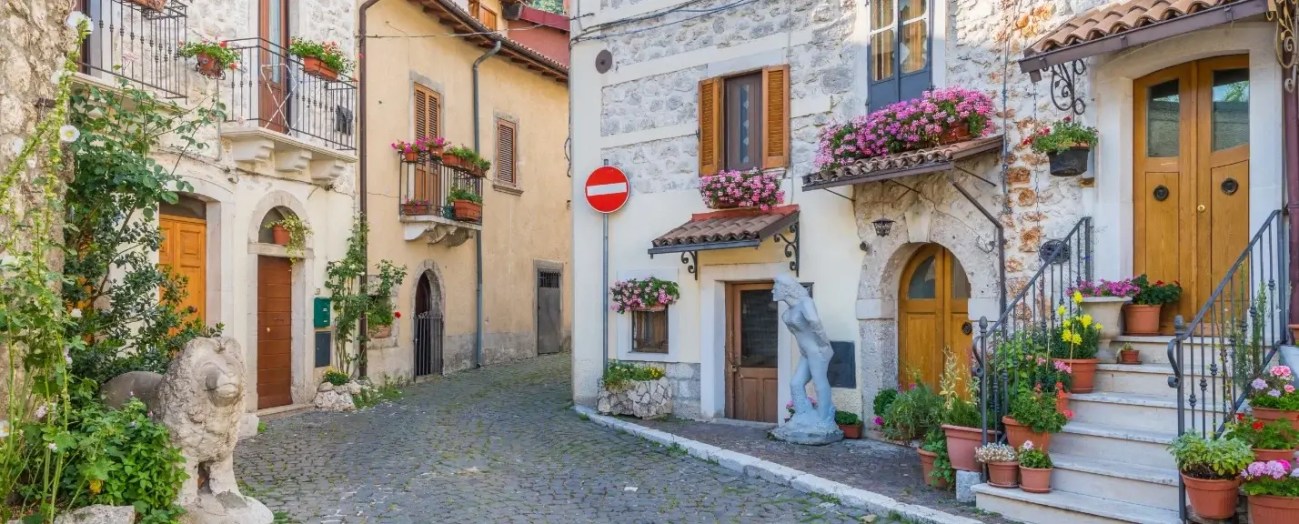
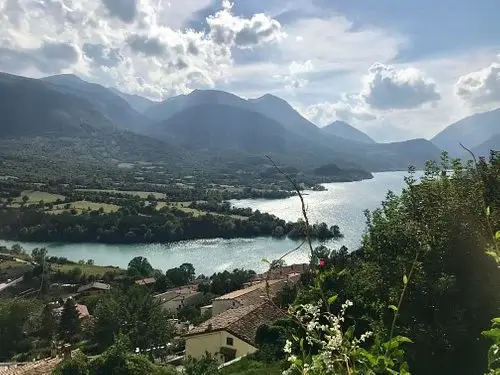
Set in central Italy, east of Rome and stretching from the rugged Apennine Mountains to the Adriatic Sea, Abruzzo is a land of deep landscapes and deeper traditions. Nearly one third of the region is protected land, shaped by ancient shepherd routes, medieval hill towns, and communities that never softened for tourism.
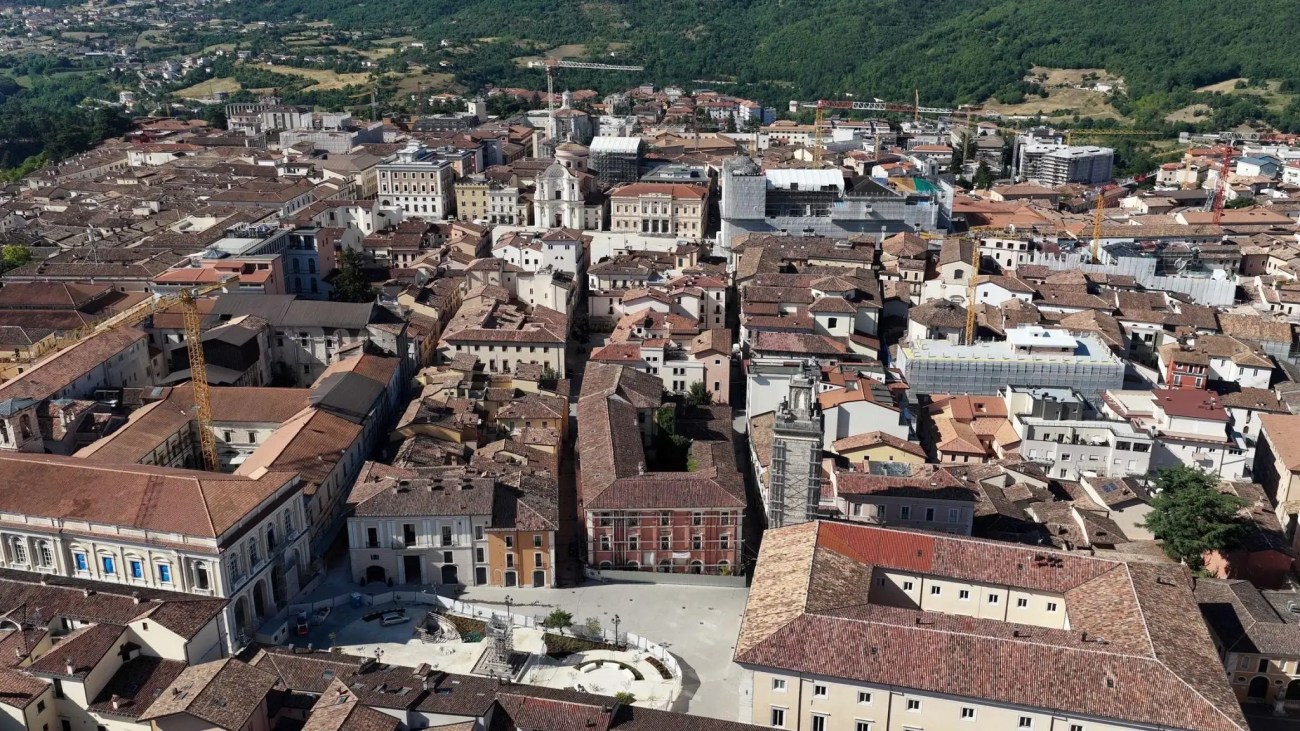
At its heart is L’Aquila, a mountain capital shaped by earthquakes, faith, endurance, and quiet strength. This is a city that tells its story openly—and invites travelers to slow down and listen.
Where Is Abruzzo and Why It Feels Different
Abruzzo sits just two hours east of Rome, yet it feels worlds away.
This is mountain Italy. Less polished. Less crowded. More honest.
For centuries, isolation preserved Abruzzo’s traditions—shepherd culture, seasonal migration known as transhumance, strong flavors, and a sense of identity rooted in survival rather than spectacle. Even under Roman rule, this land was never easy to control.
That independence still defines it.
The Unusual Birth of L’Aquila
Unlike most Italian cities, L’Aquila was not built gradually over time. It was founded deliberately.
In 1254, dozens of small villages made a radical decision: they would build a city together. Not one village conquering the others. Not a powerful family forcing unity. A choice.
They named it L’Aquila—The Eagle—a symbol of strength, vigilance, and endurance.
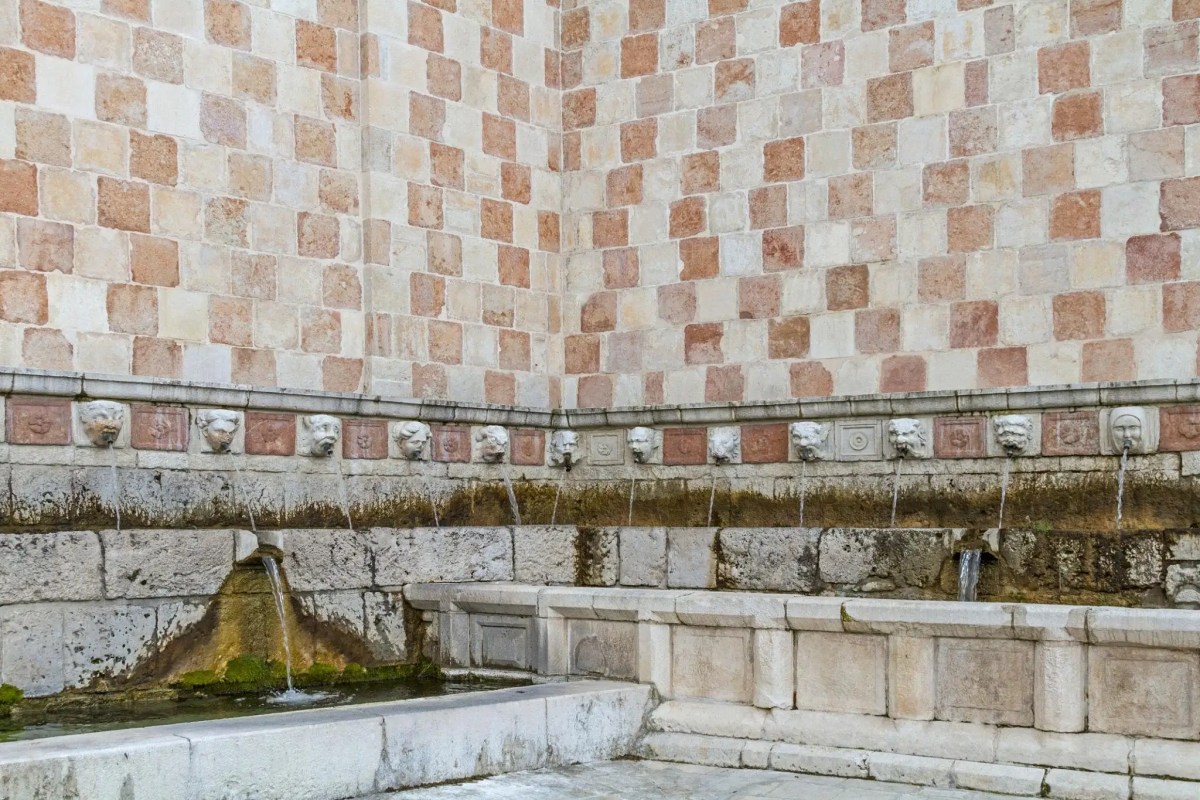
This founding principle still echoes through the city, most visibly at the Fontana delle 99 Cannelle, where ninety-nine spouts represent the communities that came together to form one capital.
The Earthquake That Changed Everything
Abruzzo sits in a seismic zone, and earthquakes have shaped L’Aquila’s history repeatedly—most devastatingly on April 6, 2009.
In seconds, centuries of stone collapsed. More than 300 people were killed. Tens of thousands were displaced.
The historic center was closed for years. Daily life moved outward. A medieval city suddenly had no heart.
The tragedy became national when investigations revealed that some buildings had been constructed or reinforced improperly, costing lives that could have been saved—including students living far from home.
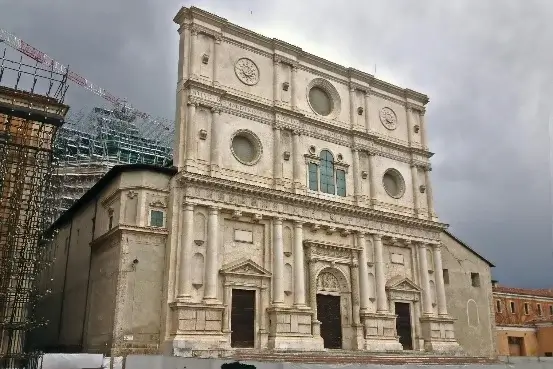
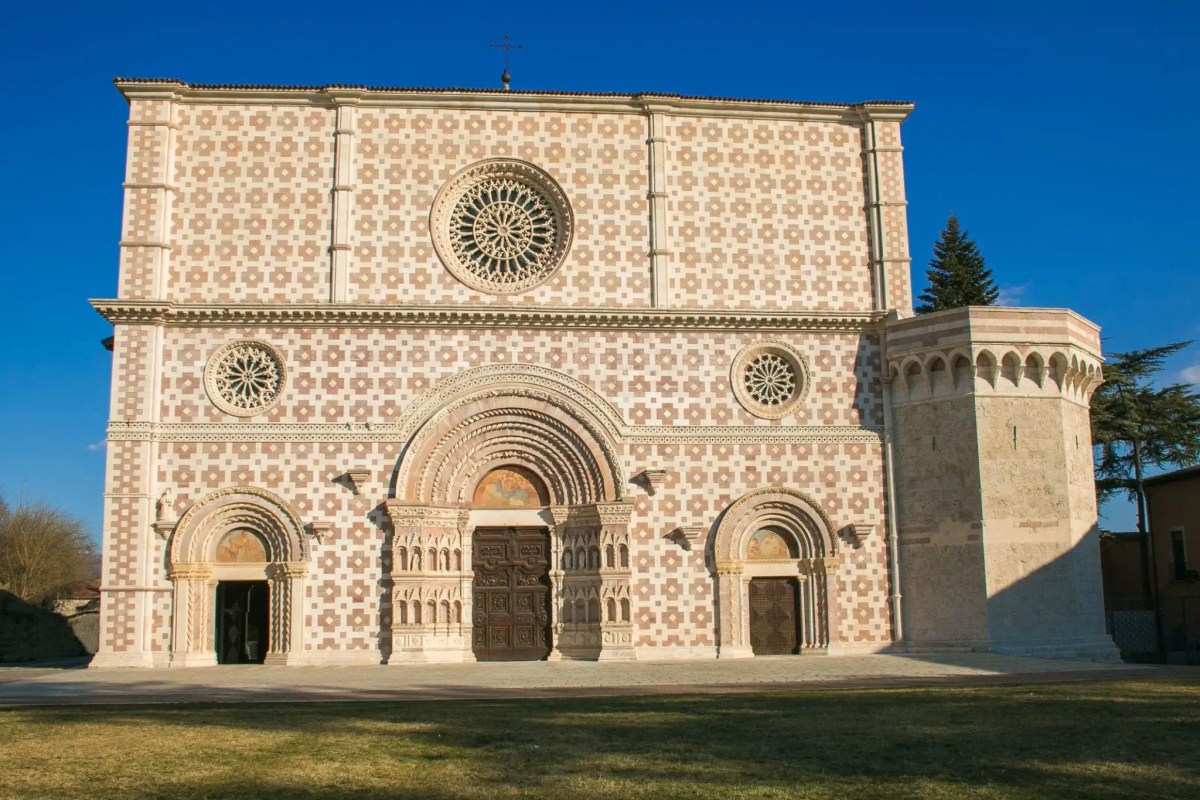
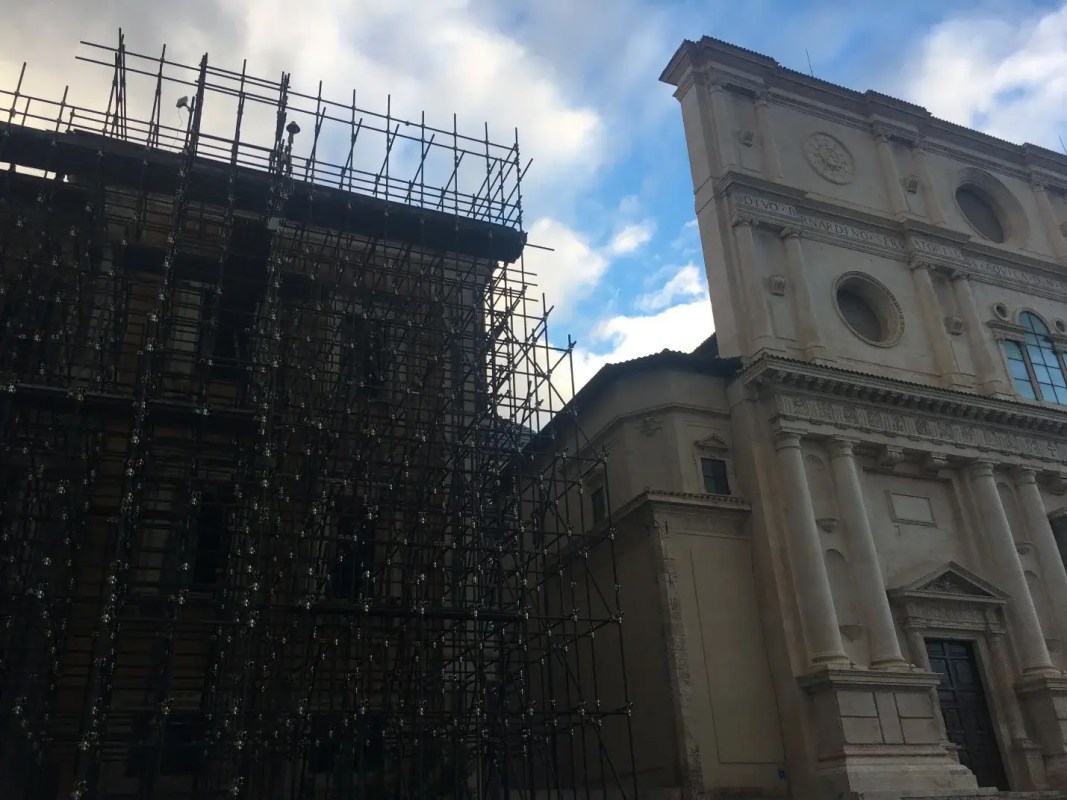
The spiritual heart of Abruzzo and home to Pope Celestine V, crowned here in 1294. This basilica is the birthplace of the Perdonanza Celestiniana, one of the world’s oldest Jubilee-style celebrations.
Corso Vittorio Emanuele
L’Aquila’s main artery, where medieval streets meet baroque palazzi and modern recovery happens in real time.
Piazza Duomo and L’Aquila Cathedral
A layered history in stone—medieval foundations, baroque chapels, neoclassical façade, and modern reinforcement—all visible, nothing hidden.
What to Eat in Abruzzo
Abruzzo’s food is shaped by necessity, landscape, and pride.
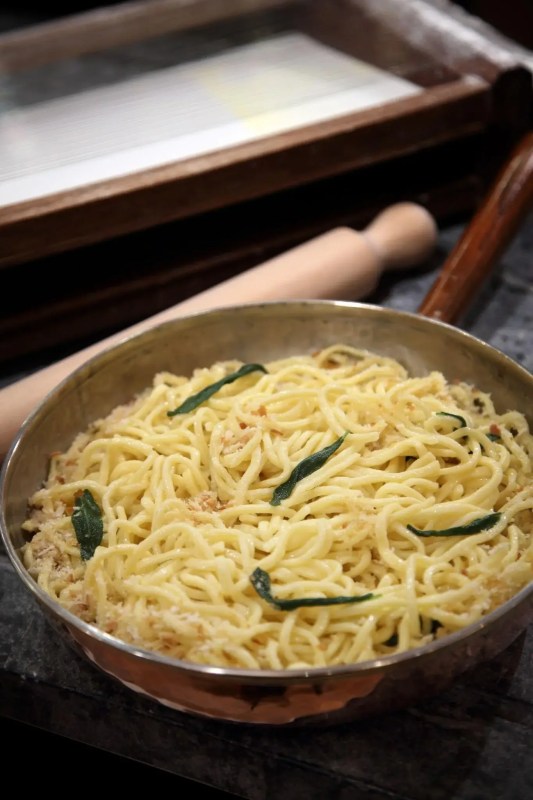
Maccheroni alla chitarra – pasta cut on metal strings, built to hold sauce
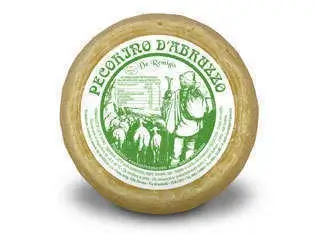
Pecorino abruzzese – sheep’s milk cheeses tied directly to transhumance
Timballo abruzzese – celebration food layered with pasta, meat, and cheese
Where to Eat in L’Aquila
Pasticceria Nurzia – historic café for torrone morbido and coffee
Ristorante La Fenice – refined Abruzzese cooking in the historic center
Day Trip: Abruzzo National Park
One of the most essential day trips from L’Aquila is into Parco Nazionale d’Abruzzo, Lazio e Molise.
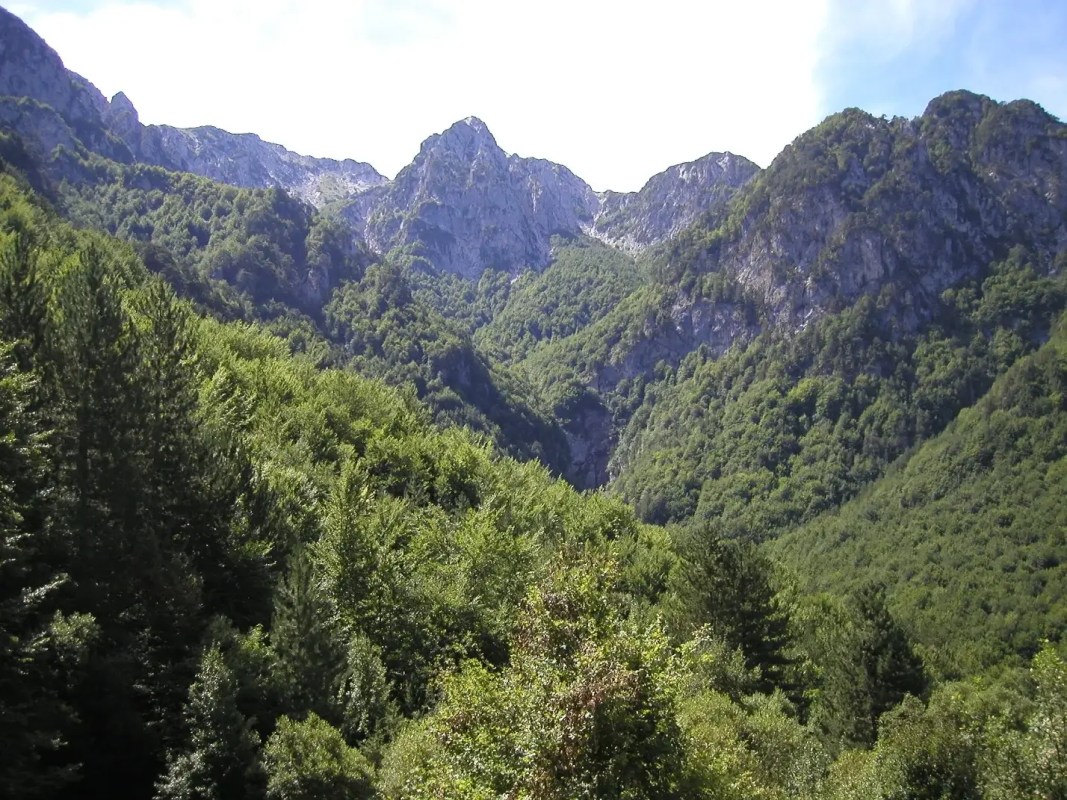
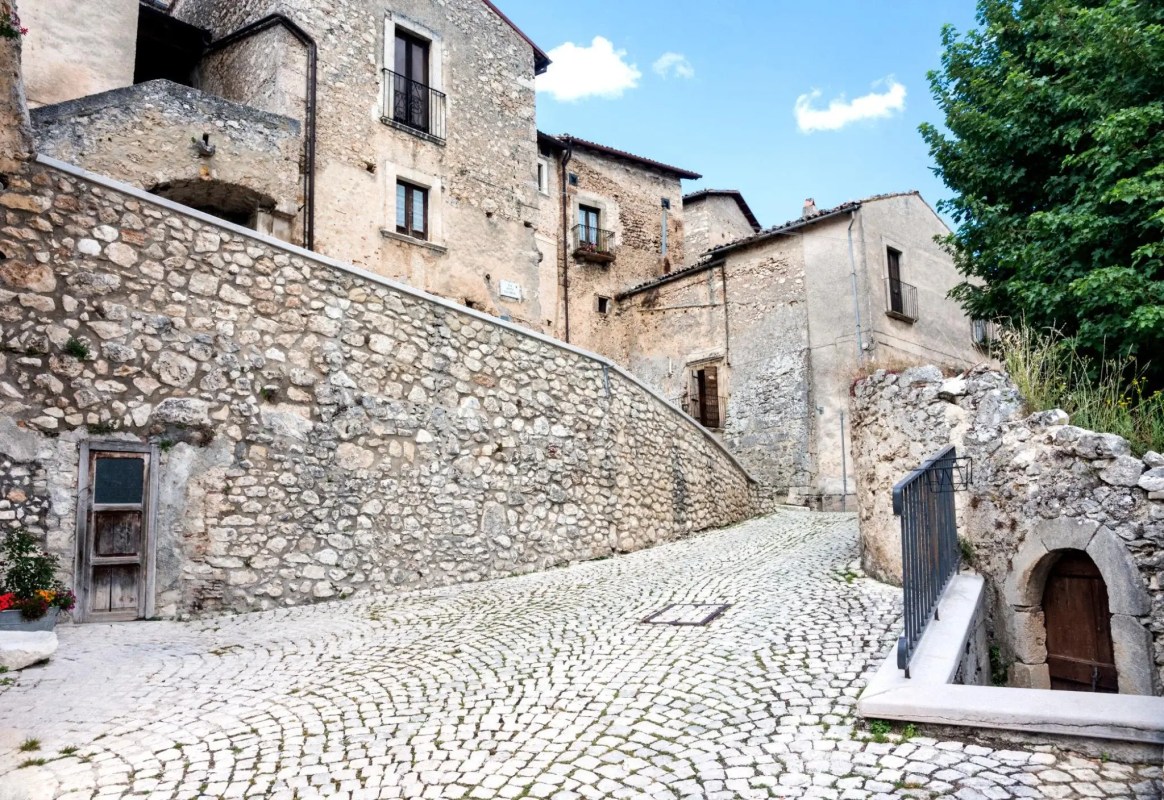
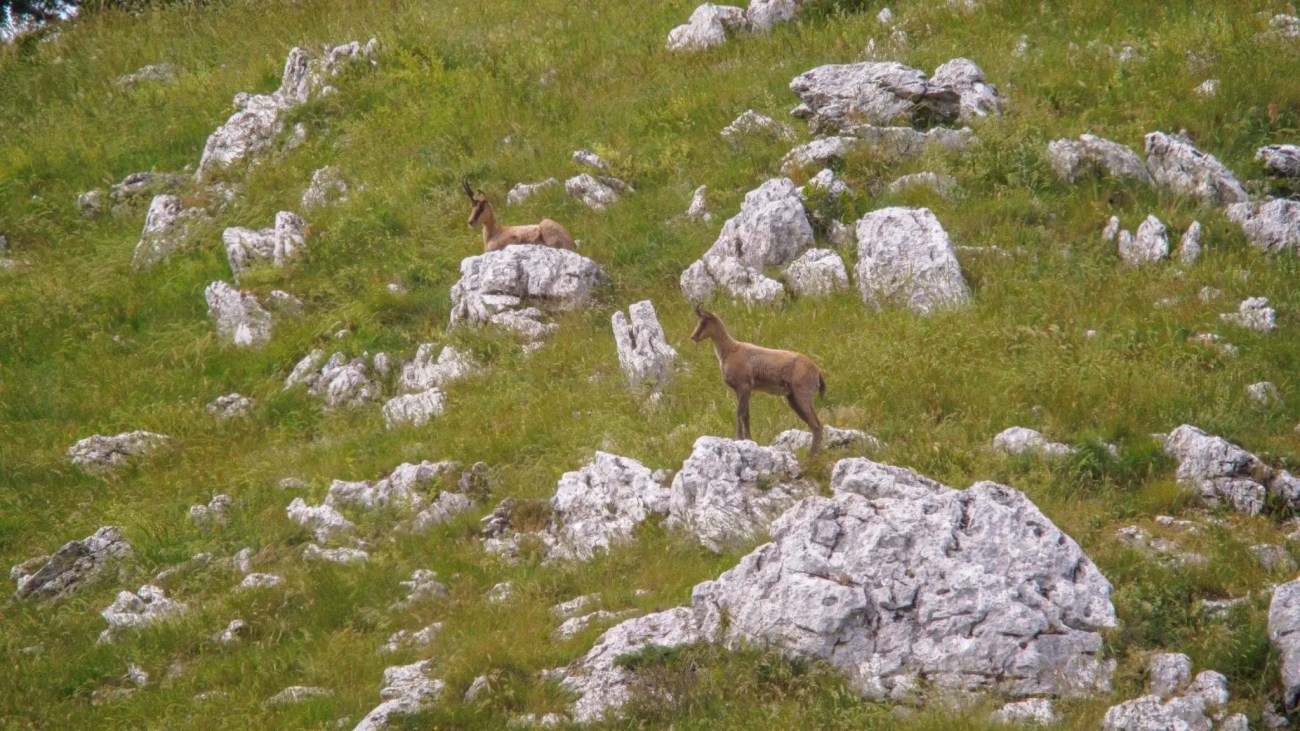
This is deep Apennine wilderness—home to the Marsican brown bear, Apennine wolf, chamois, and golden eagles. Trails follow ancient shepherd paths. Villages offer simple mountain meals. Silence feels intentional.
Experience ideas:
Guided hikes with local naturalists
Wildlife observation walks
Scenic drives through mountain valleys
More Meaningful Day Trips from L’Aquila
Sulmona
Birthplace of Ovid and home to traditional confetti (sugar almonds crafted into ceremonial art).
Experiences:
Confetti workshops with local artisans
Walking Piazza Garibaldi and the medieval aqueduct
Pescara
Abruzzo’s Adriatic gateway—rebuilt after WWII, relaxed, outward-looking.
Experiences:
Adriatic waterfront walk
Casa Natale di Gabriele D’Annunzio
Castel di Sangro
Deep interior Abruzzo, shaped by transhumance and mountain resilience.
Experiences:
Walking through ancient shepherd landscapes
Visiting Romanesque churches and river valleys
Why Abruzzo Rewards Slow Travel
Abruzzo does not perform for visitors. It does not rush you. It does not soften its edges.
From mountain monasteries to national parks, from food born of survival to a capital that rebuilt without erasing its scars, Abruzzo offers something increasingly rare in Italy:
Authenticity without noise.
🎧 Listen to the Podcast Episode
This blog accompanies Episode 13 of the Immersion Travel Italy Podcast: Abruzzo & L’Aquila, part of the Regional Capitals of Italy series.
📝 Want More Like This?
Read more immersive guides and festival-based travel stories on the Immersion Travel Italy blog.
📩 Stay Connected
Sign up for the Immersion Travel Italy Newsletter for festival calendars, travel inspiration, and slow travel ideas across Italy: 👉 katerinaferrara.com