ZRG Strikes Gold
•
Telenor Microfinance Bank awards ZRG OneView Contact Center System
•
ZRG Receives 5th Consecutive Achievement Gold Award from FPCCI
•
Al Baraka Bank Chooses ZRG OneView CMS Software
•
PSO Awards Contact Center Tender To ZRG
•
ZRG Strikes Gold
•
Telenor Microfinance Bank awards ZRG OneView Contact Center System
•
ZRG Receives 5th Consecutive Achievement Gold Award from FPCCI
•
Al Baraka Bank Chooses ZRG OneView CMS Software
•
PSO Awards Contact Center Tender To ZRG
•
ZRG Strikes Gold
•
Telenor Microfinance Bank awards ZRG OneView Contact Center System
•
ZRG Receives 5th Consecutive Achievement Gold Award from FPCCI
•
Al Baraka Bank Chooses ZRG OneView CMS Software
•
PSO Awards Contact Center Tender To ZRG
•
ZRG Strikes Gold
•
Telenor Microfinance Bank awards ZRG OneView Contact Center System
•
ZRG Receives 5th Consecutive Achievement Gold Award from FPCCI
•
Al Baraka Bank Chooses ZRG OneView CMS Software
•
PSO Awards Contact Center Tender To ZRG
•
Naples is not a city you simply visit. It is a city you experience slowly, emotionally, and with curiosity.
In Episodes 14 Part One and Part Two of the Immersion Travel Italy Podcast, we explore Naples and the region of Campania, one of the most historically important and culturally layered areas of Italy.
This guide brings together the full journey from both episodes, blending ancient history, immersive experiences, island travel, archaeological wonders, food culture, and practical travel inspiration.
Why Naples Matters in Italian History
Naples began as a Greek city. Founded in the 6th century BC as Neapolis, meaning “new city,” Naples retained its Greek language, street grid, and cultural identity long after becoming part of the Roman world.
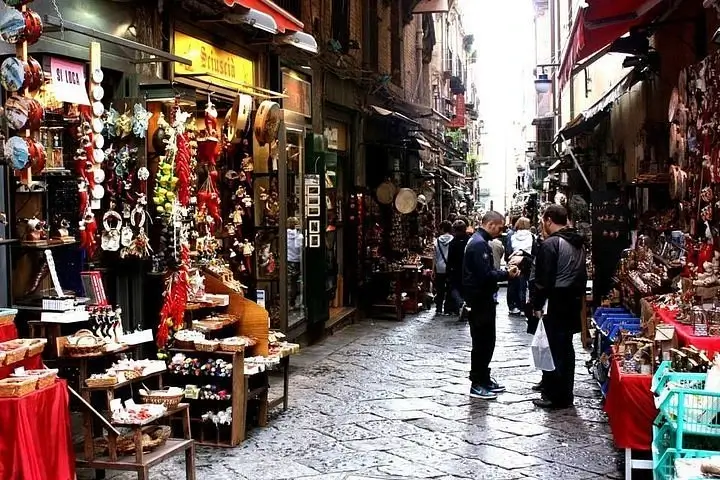
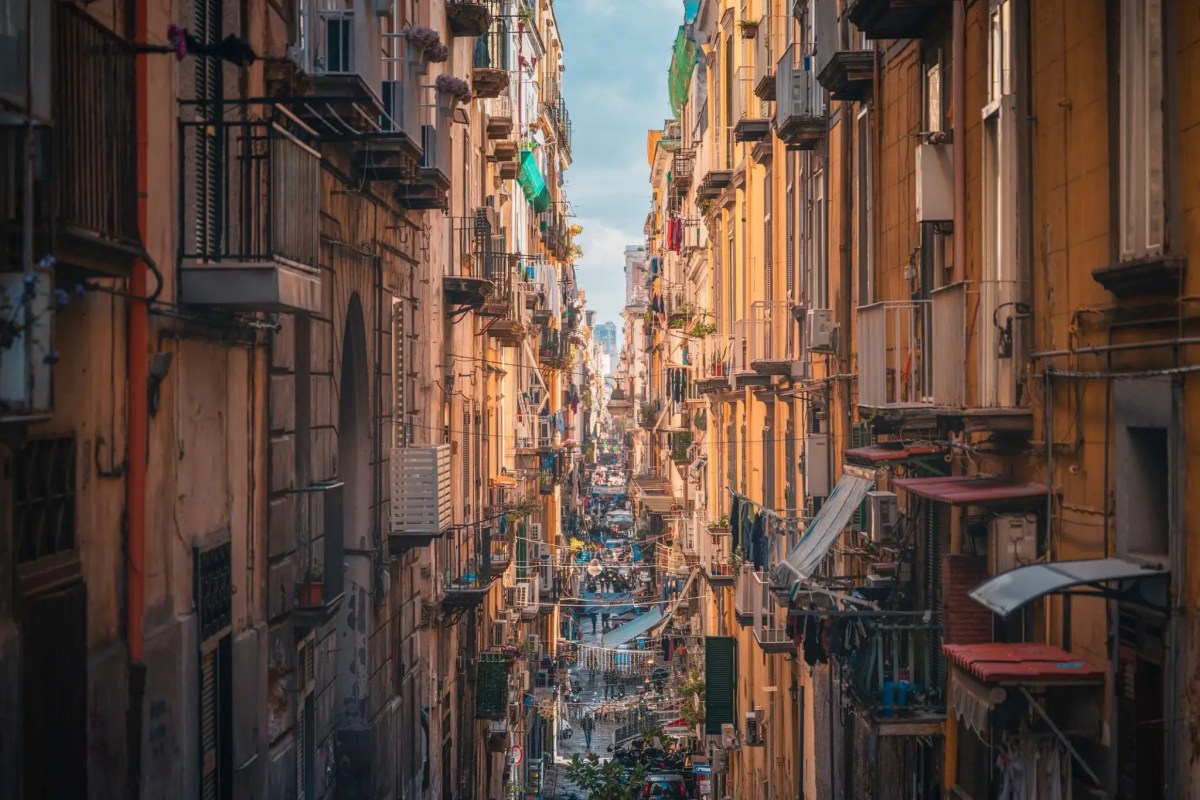
Even today, walking Spaccanapoli, you are following a Greek road laid out more than 2,500 years ago.
Under Roman rule, Naples became a center of philosophy, education, villas, and leisure. Roman elites were drawn to the Bay of Naples, creating a network of cities including Pompeii, Herculaneum, and Stabiae.
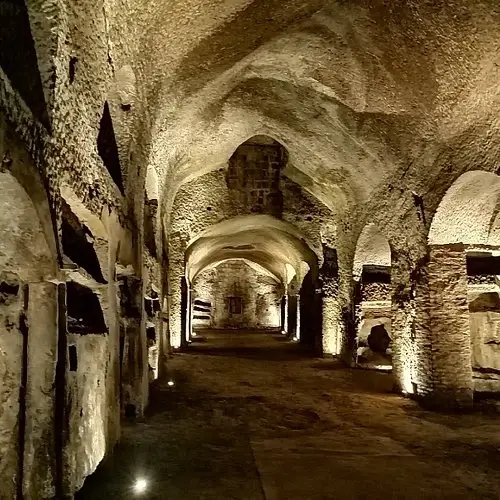
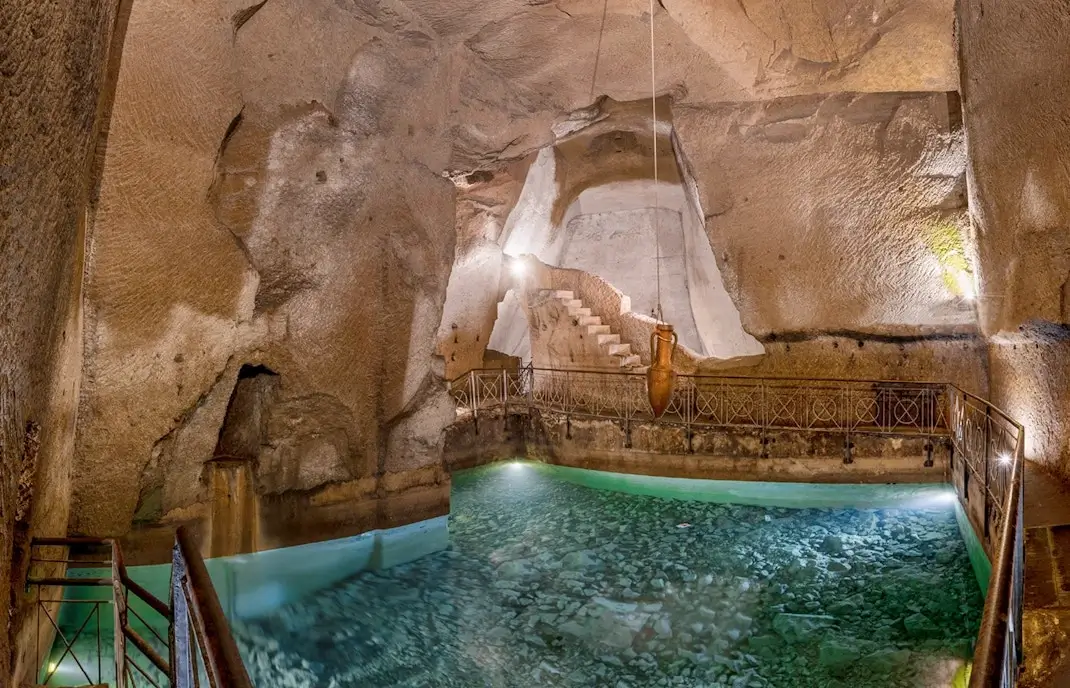
Beneath the streets, Naples developed a vast underground system of aqueducts, cisterns, and tunnels carved into volcanic stone. This underground city later protected residents during invasions, plagues, and World War II bombings.
After the fall of Rome, Naples survived as part of the Byzantine world, later becoming the Duchy of Naples, and eventually falling under Norman control in the 11th century. Each layer added complexity without erasing what came before.
Naples has always adapted. It has never been erased.
Day One: Seeing Naples from the Sea
The Bay of Naples and the Islands
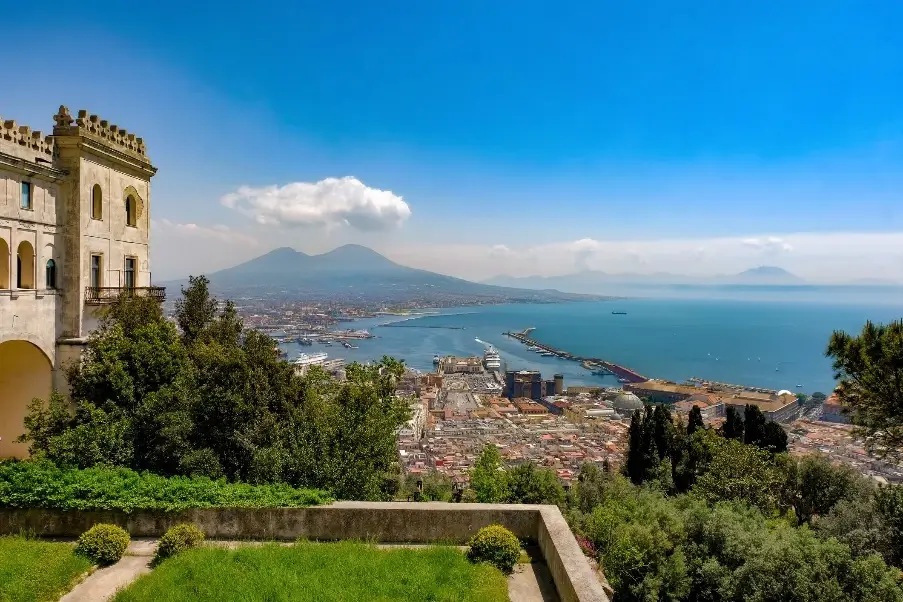
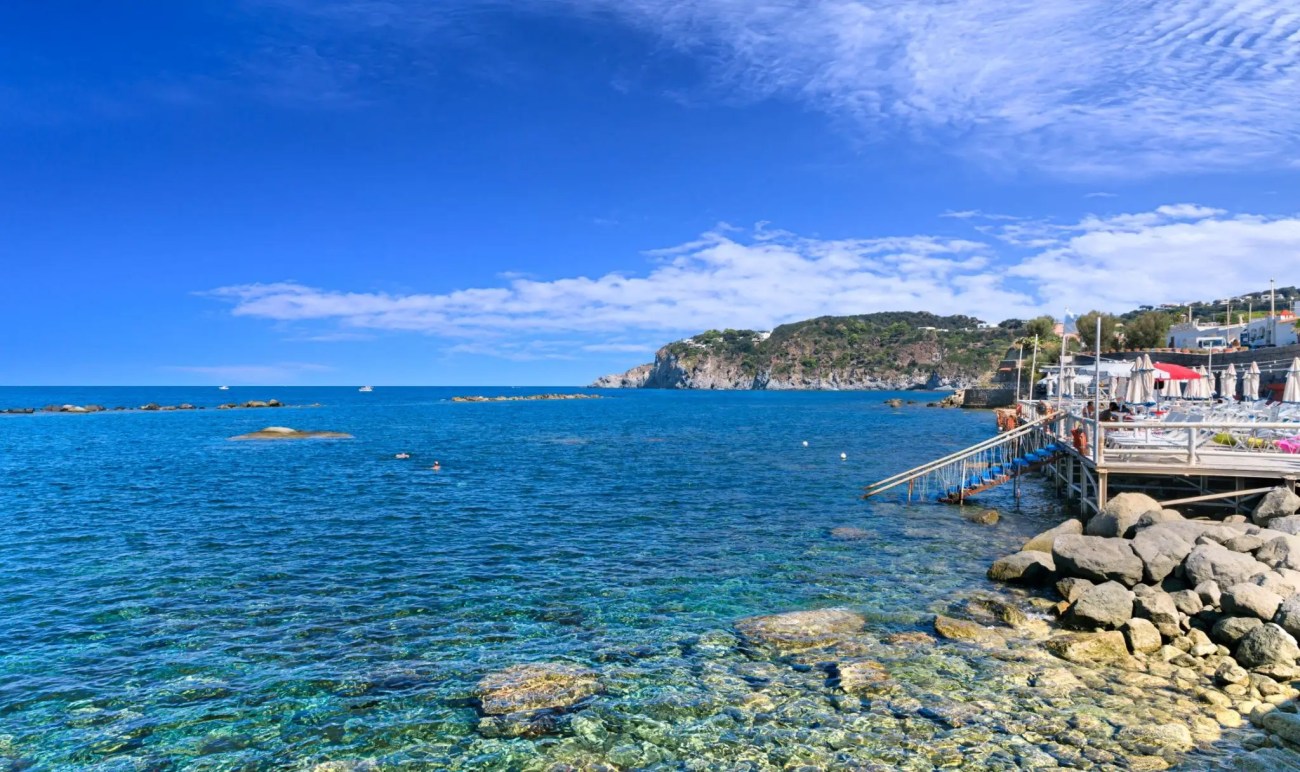
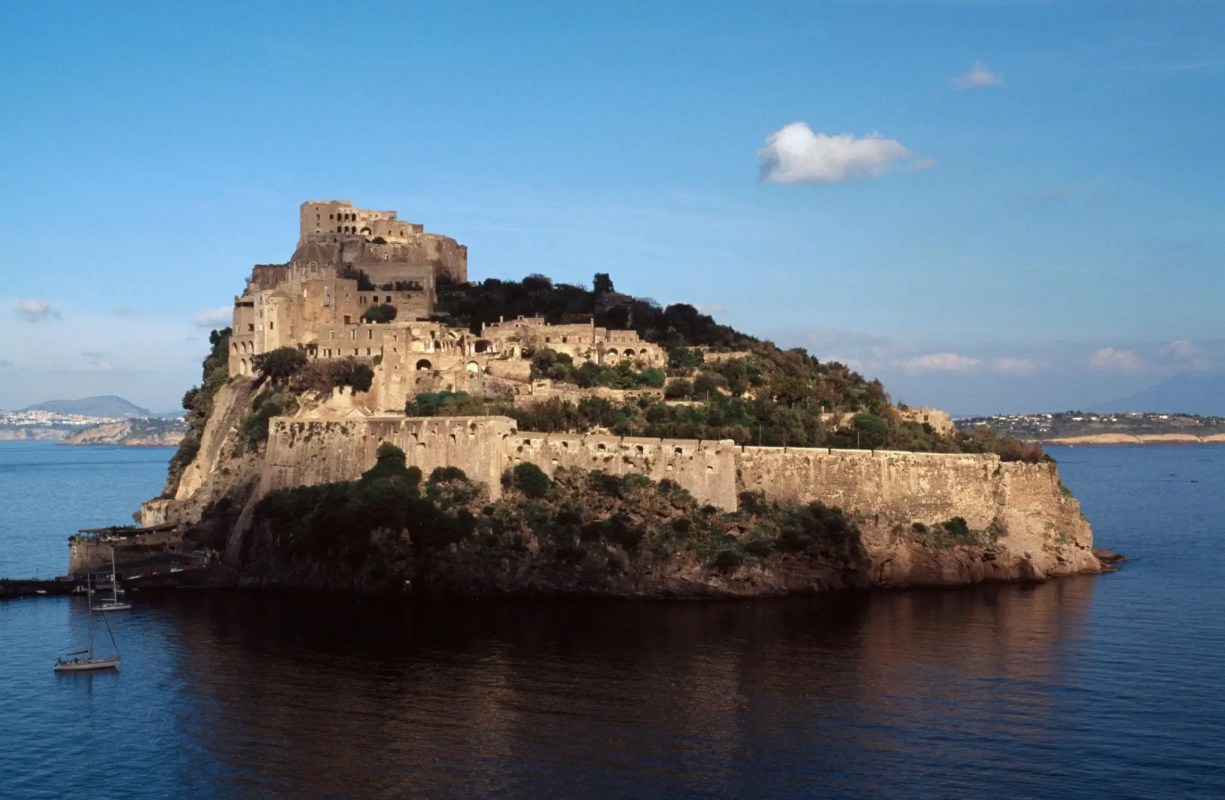
To understand Naples, you must see it from the water. Day One of our journey unfolds by boat across the Bay of Naples, revealing how geography shapes identity. From the sea, the city’s chaos softens, and the volcanic landscape comes into focus
Procida
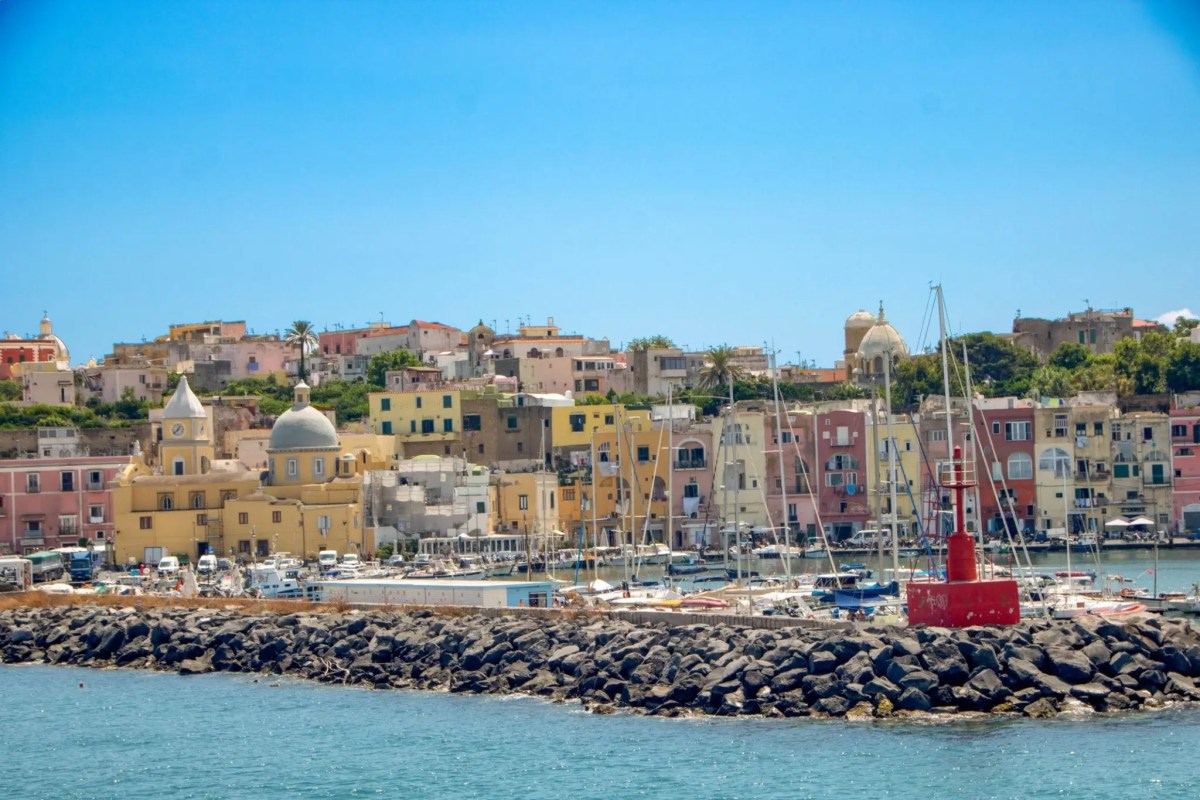
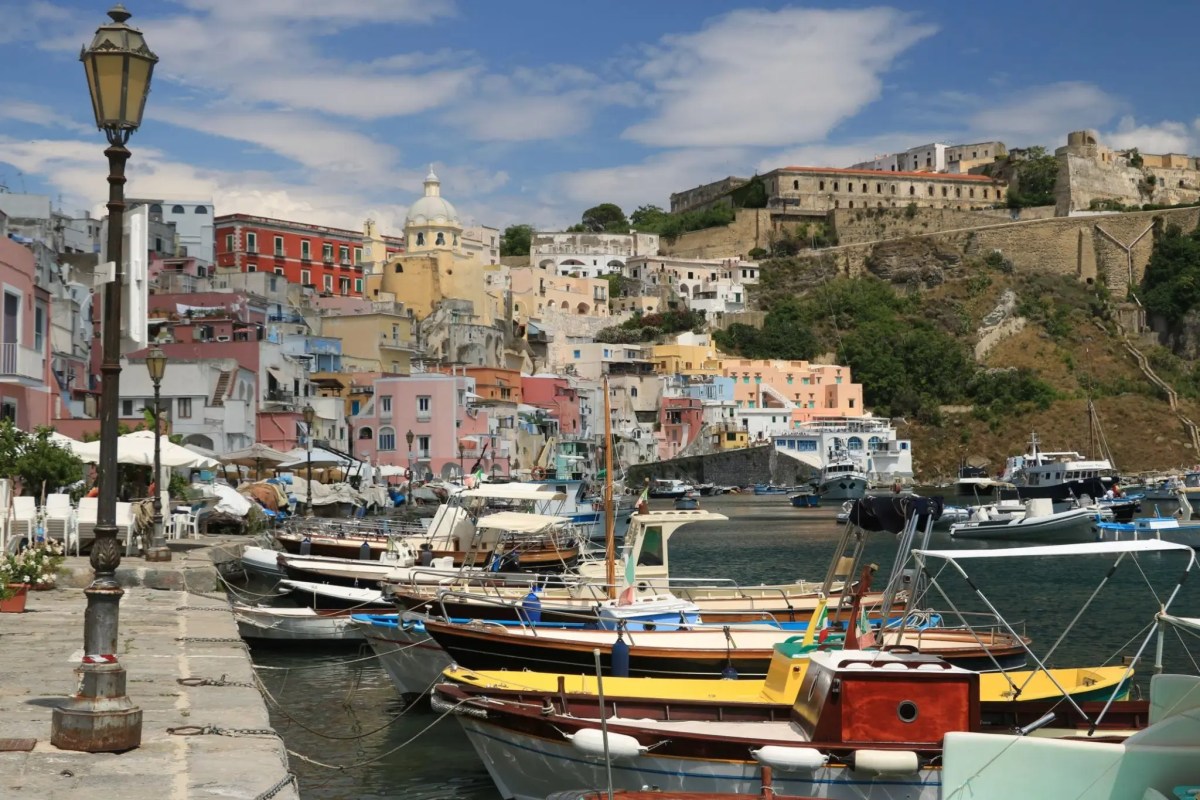
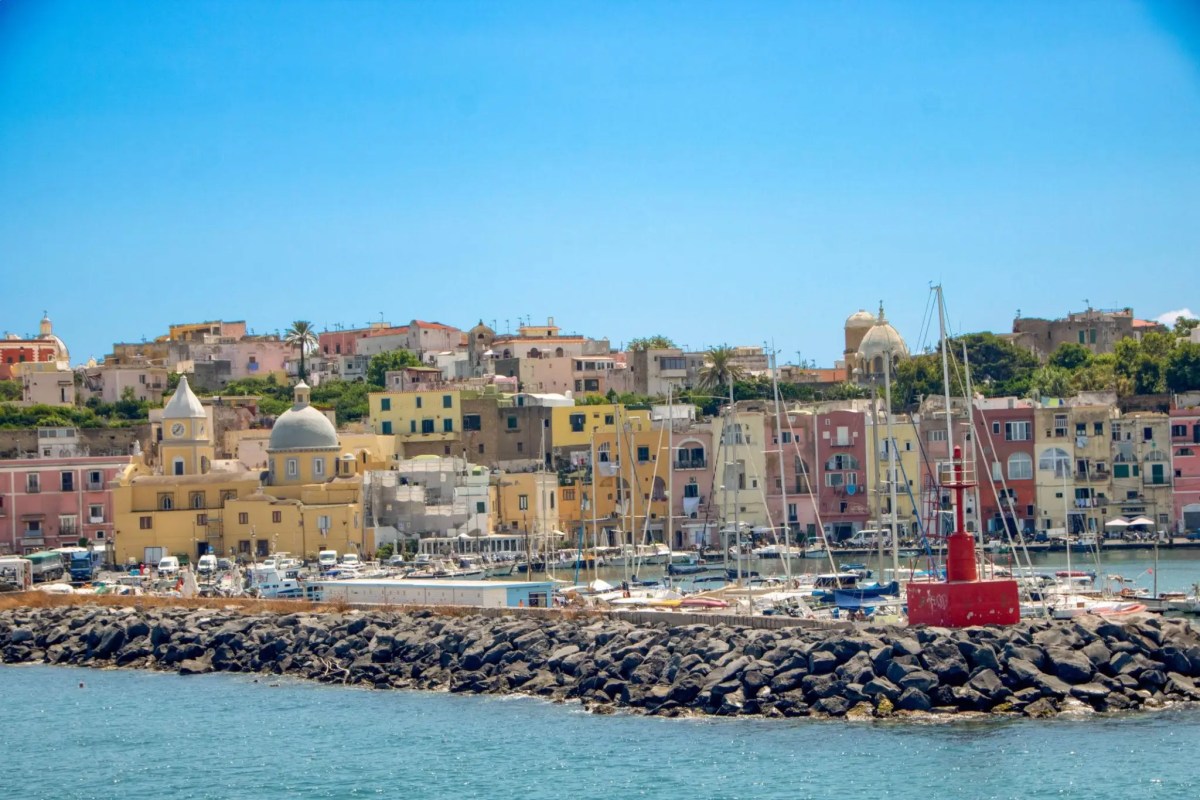
Procida is the most authentic of the islands. A working island of fishermen, quiet streets, and layered pastel houses stacked above the harbor at Marina Corricella.
Procida feels lived-in, not curated. It is a place to slow down, walk, and observe daily life.
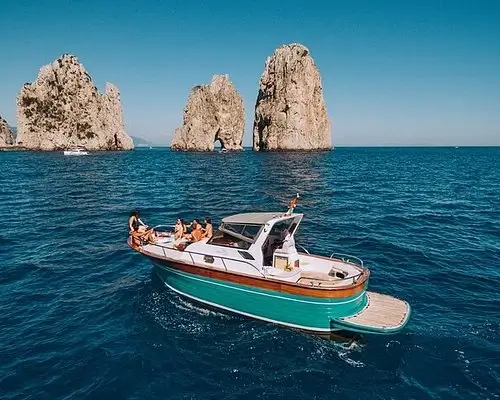
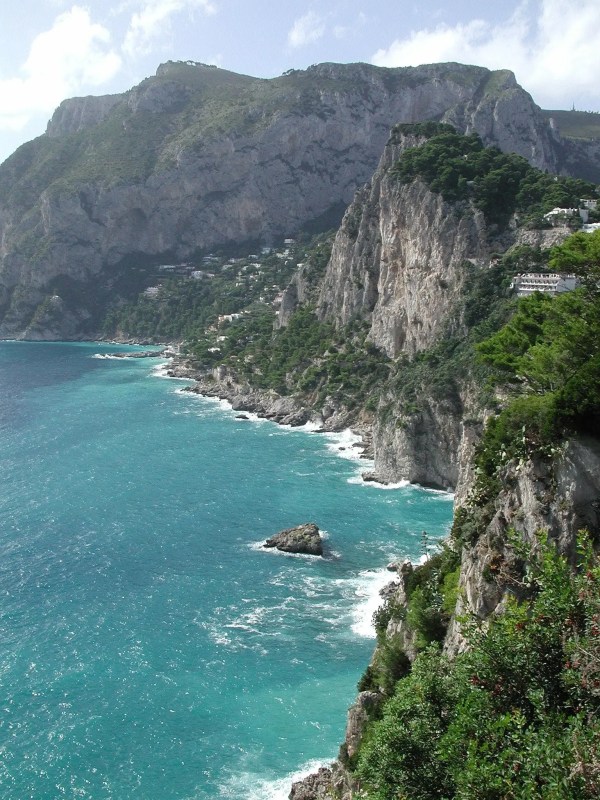
Capri is dramatic and luminous. From the sea, the cliffs rise suddenly, broken by sea caves and natural arches. The famous Grotta Azzurra glows electric blue when light refracts through the water.
Capri has been a retreat since Roman times, attracting emperors, artists, and travelers seeking beauty and escape.
• Greek foundations beneath Roman streets • Medieval churches built into ancient walls • Baroque facades hiding early Christian spaces • Underground tunnels beneath everything
These sites show how Campania has always lived between creation and destruction.
Neapolitan Food Culture
Born of Ingenuity and Necessity
Naples gave the world pizza, but its food culture goes deeper.
Born from scarcity and abundance, Neapolitan cuisine is direct, emotional, and rooted in community. Street food, pastries, simple pasta dishes, and local ingredients tell the story of survival and creativity.