ZRG Strikes Gold
•
Telenor Microfinance Bank awards ZRG OneView Contact Center System
•
ZRG Receives 5th Consecutive Achievement Gold Award from FPCCI
•
Al Baraka Bank Chooses ZRG OneView CMS Software
•
PSO Awards Contact Center Tender To ZRG
•
ZRG Strikes Gold
•
Telenor Microfinance Bank awards ZRG OneView Contact Center System
•
ZRG Receives 5th Consecutive Achievement Gold Award from FPCCI
•
Al Baraka Bank Chooses ZRG OneView CMS Software
•
PSO Awards Contact Center Tender To ZRG
•
ZRG Strikes Gold
•
Telenor Microfinance Bank awards ZRG OneView Contact Center System
•
ZRG Receives 5th Consecutive Achievement Gold Award from FPCCI
•
Al Baraka Bank Chooses ZRG OneView CMS Software
•
PSO Awards Contact Center Tender To ZRG
•
ZRG Strikes Gold
•
Telenor Microfinance Bank awards ZRG OneView Contact Center System
•
ZRG Receives 5th Consecutive Achievement Gold Award from FPCCI
•
Al Baraka Bank Chooses ZRG OneView CMS Software
•
PSO Awards Contact Center Tender To ZRG
•
Molise has a reputation in Italy for not existing.
You’ll hear Italians joke, “Il Molise non esiste.” Molise doesn’t exist. It’s said half in humor, half in genuine confusion. And the joke only works because, for most of modern Italian history, Molise really didn’t exist as its own region.
It became Italy’s twentieth region in 1963, just 63 years ago. For more than a century after Italian unification, Molise was simply folded into Abruzzo. Most Italians grew up learning about Abruzzi e Molise as one place, or more often, just Abruzzo.
The separation came quietly. No protests. No cultural rebrand. No dramatic announcement.
And that quiet arrival explains almost everything about Molise today.
This is a region that never learned how to perform for visitors. It never needed to.
A Region Between Worlds
To understand Molise, you have to let go of the idea of Italy as a single, unified story.
Molise has always lived between worlds.
Long before Rome, this land belonged to the Samnites, fierce mountain tribes who resisted Roman expansion longer than almost anyone else. In 321 BC, Roman legions suffered one of their most humiliating defeats at the Caudine Forks, trapped without battle and forced to surrender.
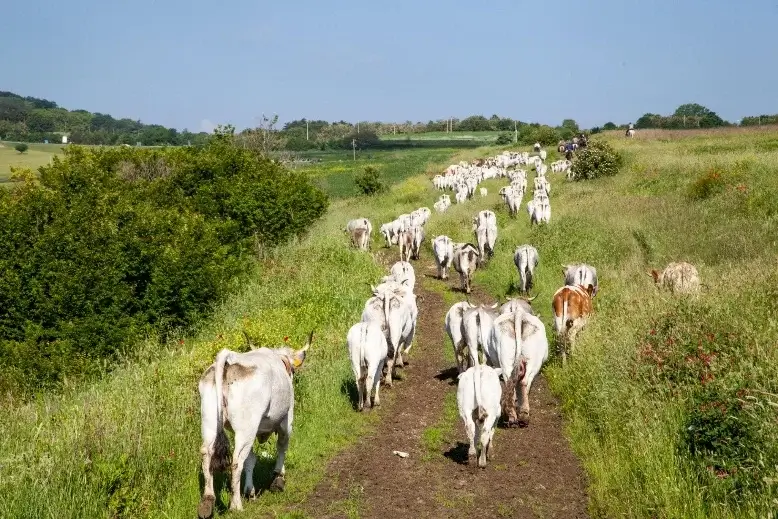
Rome eventually absorbed the region, but it never erased it. Pastoral life continued. Shepherding routes remained in use. Roman roads layered themselves onto older Samnite paths instead of replacing them.
After the fall of the Western Roman Empire, Molise fragmented quietly. Lombards, Normans, Swabians, Angevins, Spanish rulers, and Bourbons passed overhead. On the ground, life changed slowly.
That rhythm defines Molise.
Campobasso
A Capital Without Spectacle
At the heart of the region is Campobasso, a hilltop city often passed through but rarely understood.
Campobasso sits at about 700 meters (2,300 feet) above sea level and has a population of just under 50,000. It is a capital that functions without scale or ceremony. Compact. Local. Deeply connected to the land around it.
This is not a city you rush.
It is a city you climb.
A Walking Tour of Campobasso
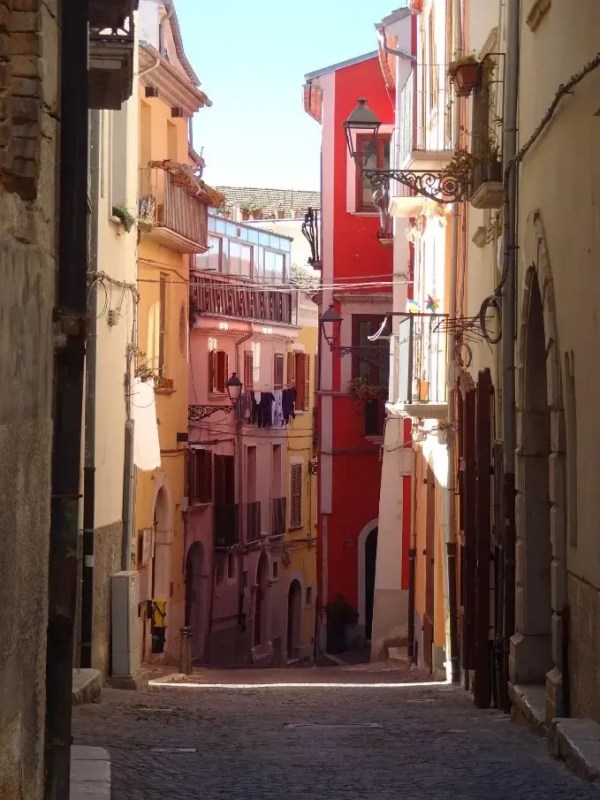
The City Reveals Itself Vertically
Lower Campobasso is practical and modern. Espresso is taken standing at the bar. Shopkeepers sweep their storefronts in the morning. Bakeries smell like bread, not branding.
Above it, the centro storico climbs the hill in tight, defensive streets. Stone replaces pavement. The city quiets without announcement. Laundry lines cross alleys. Flower pots rest on steps.
People live here.
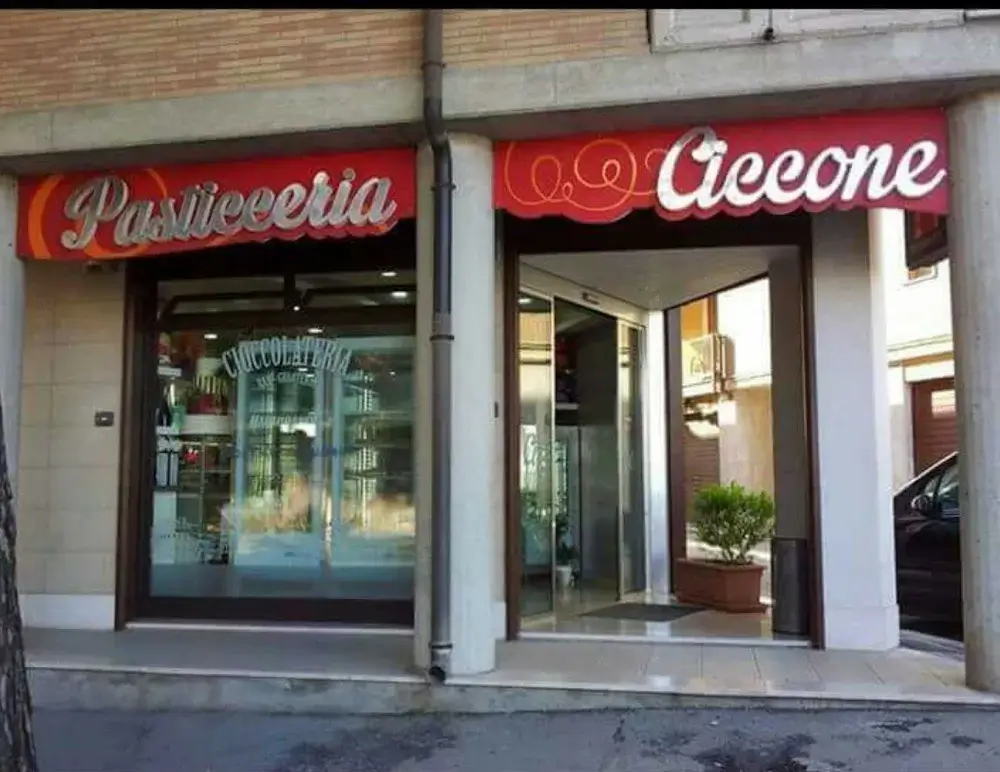
Pasticceria Ciccone
Where Campobasso Actually Goes
Just off the rhythm of the old town walk sits Pasticceria Ciccone, Campobasso’s historic pastry shop.
Founded in the early 20th century and still family-run, Ciccone doesn’t explain itself. Locals step in, greet the staff by name, order without looking, and move on.
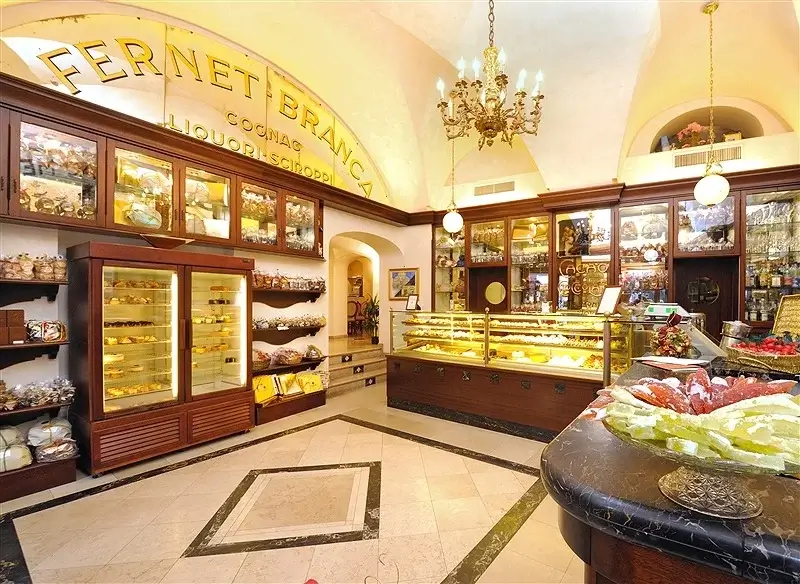
Inside, the air smells of butter and almonds. The pastries are classic and restrained. Small pasticcini mignon. Simple crostate. Cakes made for Sundays and feast days.
Nothing oversized. Nothing experimental. Everything precise. This is where you understand Campobasso best. Coffee taken standing. Life continuing uninterrupted.
Cathedral of the Holy Trinity
Rebuilt Without Drama
The Cathedral of the Holy Trinity is Campobasso’s main church.
Its current form dates largely to the 19th century, rebuilt after the devastating 1805 Molise earthquake, with earlier destruction tied to the massive 1456 earthquake that reshaped much of southern Italy.
That matters.
Molise has rebuilt quietly after disruption. Again and again.
Inside, the cathedral feels calm and functional. This is a community church, not a monument. Faith here is steady, not theatrical.
Castello Monforte
Built to Watch, Not Impress
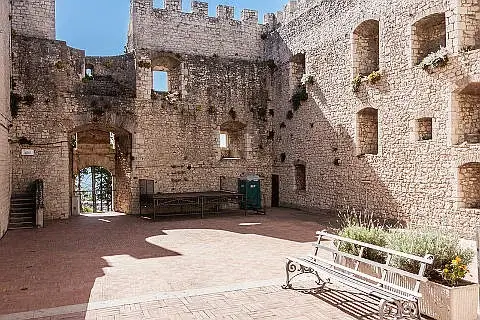
At the summit stands Castello Monforte.
This is not a palace. It is not even a complete castle. What survives are powerful stone walls, defensive towers, and the unmistakable outline of a fortress designed for control.
Rebuilt in the 15th century by Nicola II Monforte after the 1456 earthquake, it was meant to observe, not comfort.
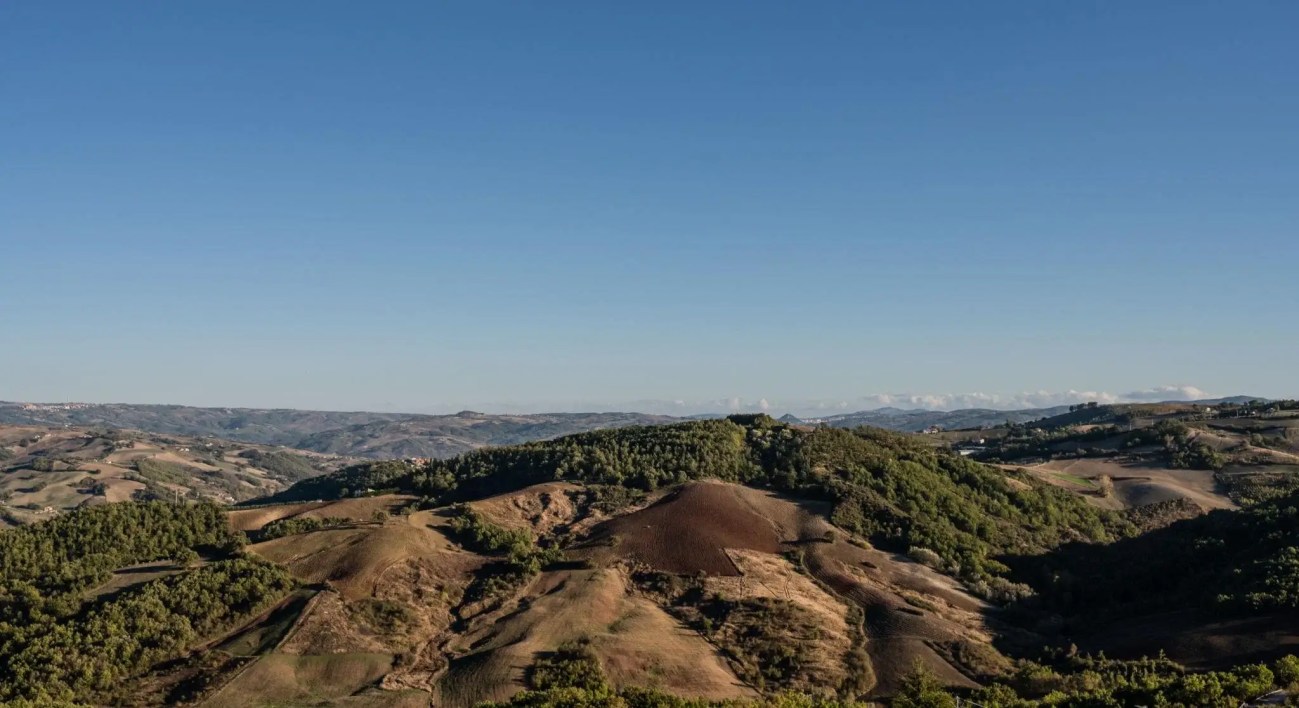
From here, the view opens completely. The modern city below. The layered old town between. The Molisan landscape stretching outward.
This view explains everything. Campobasso was never central. It existed between regions, between powers, between eras. The castle reflects that perfectly.
Eating Molise
Sapori e Tradizioni
For traditional Molisan food in the historic center, Monticelli Sapori e Tradizioni is one of the most highly rated and most reliable choices.
What to order:
Cavatelli molisani Hand-shaped pasta made from flour and water, designed to hold sauce, not float in it.
Pampanella Slow-roasted pork seasoned aggressively with garlic, chili, paprika, and herbs. Molise on a plate.
Agnello alla molisana Lamb cooked slowly with herbs, tied directly to shepherding and transhumance traditions.
Scamorza and local cheeses Simply prepared. No embellishment. Excellent milk quality.
This is inland food. Grounded. Generous. Unapologetic.
The Mysteries of Campobasso
A Tradition Carried, Not Watched
Campobasso’s defining festival is I Misteri, held each year on Corpus Domini.
Created in the mid-1700s by sculptor Paolo Saverio Di Zinno, towering structures called ingegni move through the streets carrying real people suspended as angels and saints.
They appear to float.
Children. Teenagers. Neighbors.
Families prepare for months. Participation is passed down through generations. This is not a performance.
The city does not watch the Mysteries. It carries them.
Immersive Day Trips from Campobasso
Agnone and the Bells
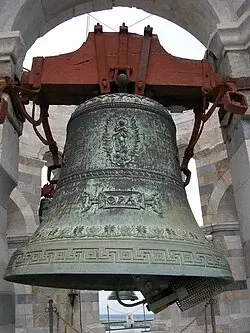
About 1 hour 15 minutes from Campobasso lies Agnone, home to the Fonderia Marinelli, one of the oldest family-run businesses in Italy.
The Marinelli family has cast bells here since 1339, using the same lost-wax method for nearly seven centuries. Their bells ring across Italy and at the Vatican.
You smell metal and ash before you see anything. Bronze bells line the workshop. Dates and saints are carved into their surfaces.
Tradition here never stopped.
Sepino
Roman Molise, Unfiltered
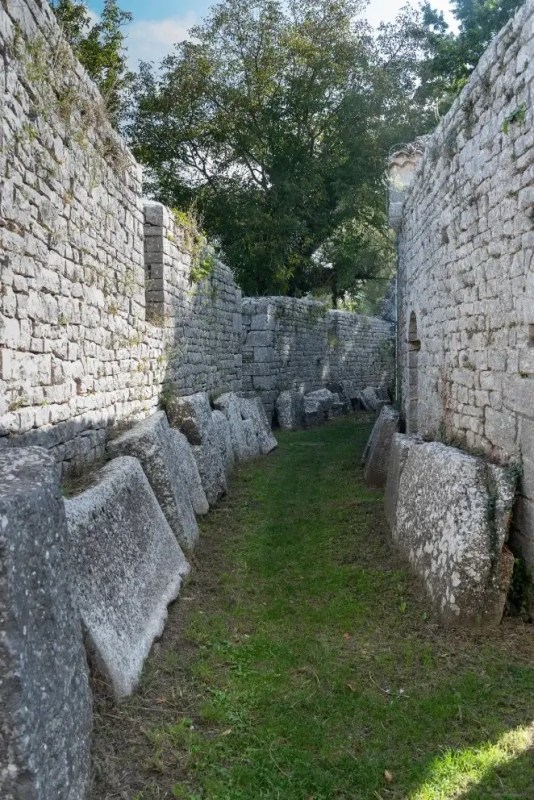
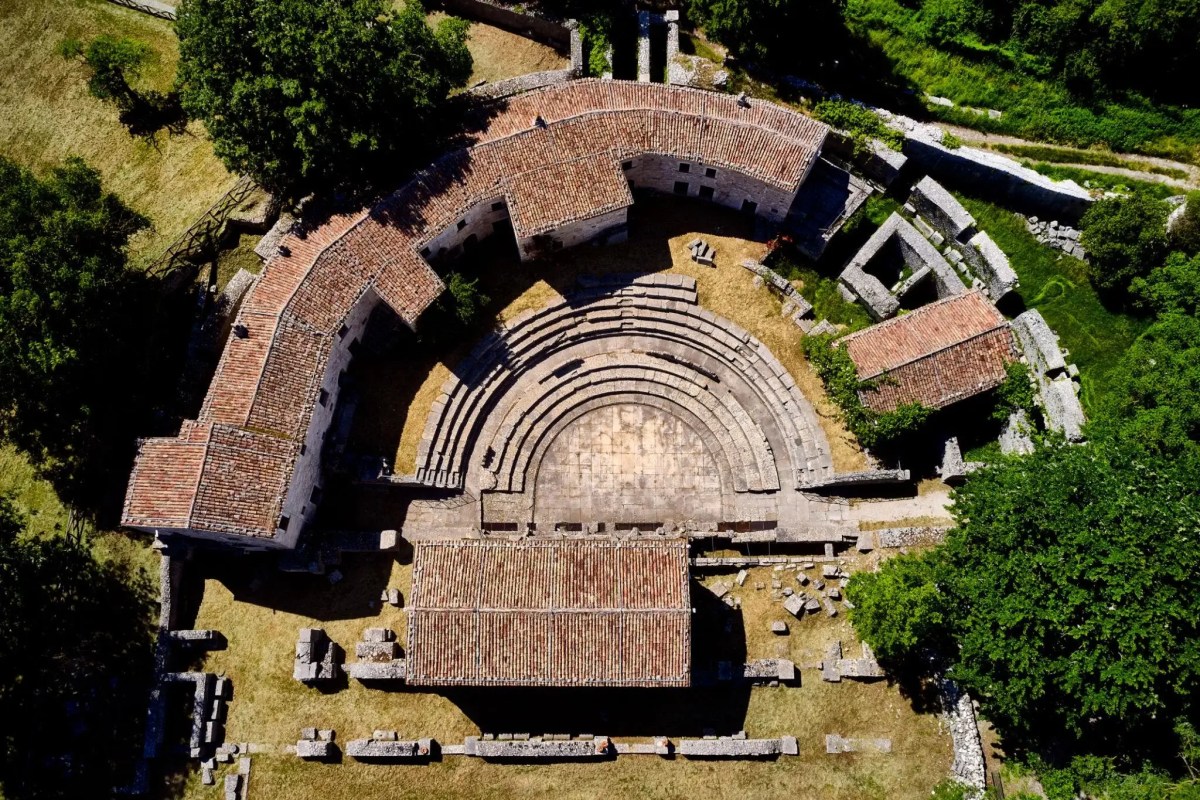
About 45 minutes from Campobasso, Sepino’s Roman site, Altilia, lies open in the countryside.
No crowds. No barriers.
You walk Roman streets. Sheep graze nearby. Tratturi shepherd paths still cross the valley.
It is one of the clearest examples of Molise’s continuity. Empires came and went. Life adapted and continued.
Molise by the Sea
Termoli
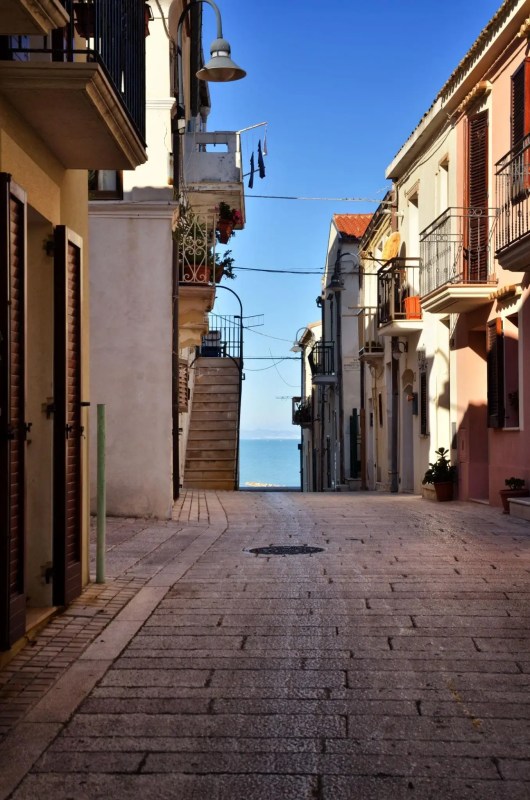
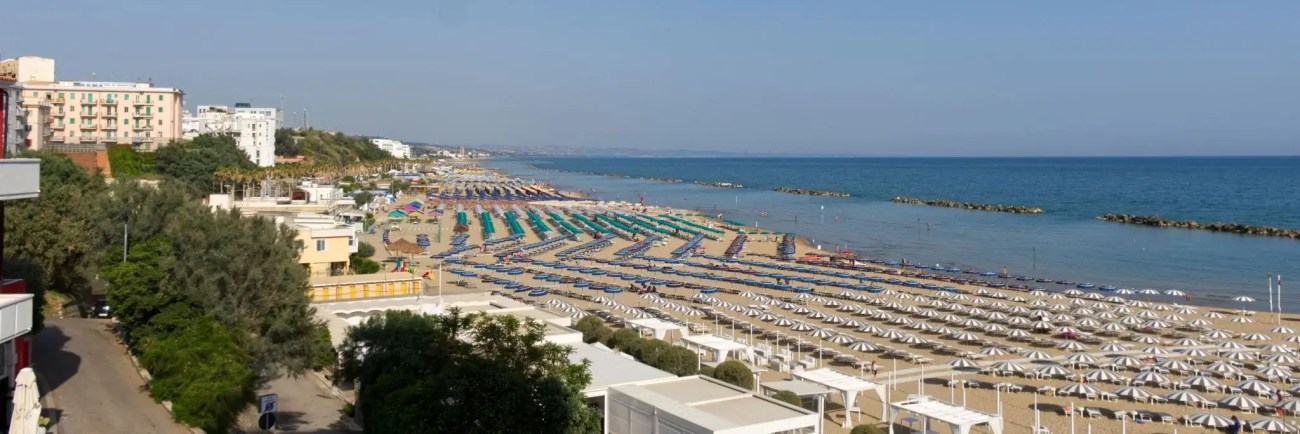
Molise’s short Adriatic coast finds its heart in Termoli.
Below, sandy beaches and calm water. Above, a medieval old town perched over the sea.
You can swim in the morning and walk stone streets in the afternoon.
That balance defines Molise.
Why Molise Matters
Molise is often joked about as a region that does not exist.
But what that joke really means is this. Molise never reinvented itself to be seen. It did not brand its traditions or dramatize its history.
It simply continued.
And in a country increasingly shaped by spectacle, that may be its greatest strength.
Explore More with Immersion Travel Italy
If you enjoyed this journey through Molise and Campobasso, you’ll find deeper festival history, walking tours, and immersive travel ideas in my books:
Sicilia in Festa (English–Italian bilingual edition)
🎧 Subscribe to my FREE monthly Immersion Travel Italy newsletter for festival dates, regional insights, and slow-travel inspiration delivered straight to your inbox.
Travel slowly. Travel deeply. And let Italy tell its stories.