ZRG Strikes Gold
•
Telenor Microfinance Bank awards ZRG OneView Contact Center System
•
ZRG Receives 5th Consecutive Achievement Gold Award from FPCCI
•
Al Baraka Bank Chooses ZRG OneView CMS Software
•
PSO Awards Contact Center Tender To ZRG
•
ZRG Strikes Gold
•
Telenor Microfinance Bank awards ZRG OneView Contact Center System
•
ZRG Receives 5th Consecutive Achievement Gold Award from FPCCI
•
Al Baraka Bank Chooses ZRG OneView CMS Software
•
PSO Awards Contact Center Tender To ZRG
•
ZRG Strikes Gold
•
Telenor Microfinance Bank awards ZRG OneView Contact Center System
•
ZRG Receives 5th Consecutive Achievement Gold Award from FPCCI
•
Al Baraka Bank Chooses ZRG OneView CMS Software
•
PSO Awards Contact Center Tender To ZRG
•
ZRG Strikes Gold
•
Telenor Microfinance Bank awards ZRG OneView Contact Center System
•
ZRG Receives 5th Consecutive Achievement Gold Award from FPCCI
•
Al Baraka Bank Chooses ZRG OneView CMS Software
•
PSO Awards Contact Center Tender To ZRG
•
Rome is not a city you visit once and finish. It is a city you return to, layer by layer. As the capital of Italy and the heart of the Lazio region, Rome holds over 2,700 years of continuous history. Empires rise and fall here. Faith reshapes power. Daily life unfolds alongside ruins, palaces, and churches that have witnessed centuries of change. This guide follows the spirit of immersion travel. Not rushing from site to site, but understanding how Rome works, how it eats, how it celebrates, and how it connects to the towns around it.
Rome’s Power Begins Here: Ancient Rome
The Colosseum
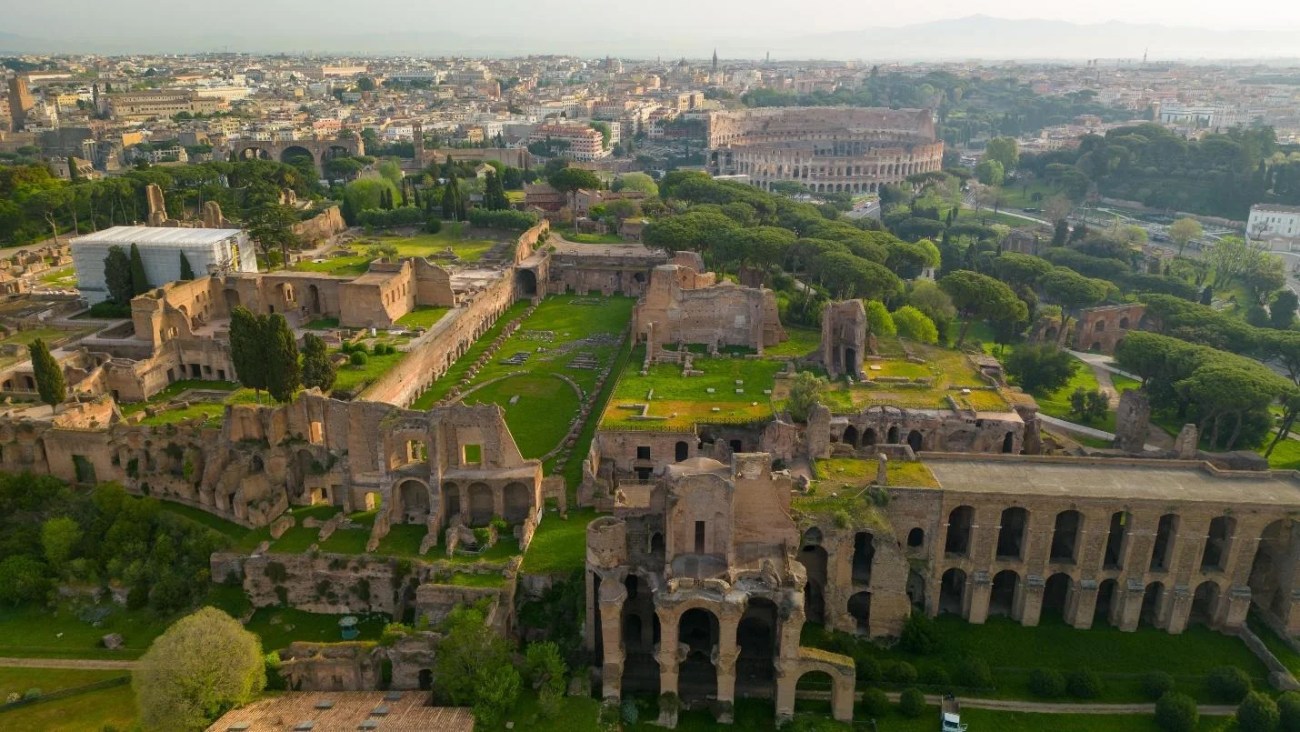
The Colosseum is not just Rome’s most famous monument; it is a statement of imperial power. Opened in AD 80, it was designed to impress, intimidate, and entertain the masses with spectacles that reinforced who controlled life, death, and order. Tip: Skip-the-line or guided tickets dramatically change this experience.
Roman Forum Step directly from the Colosseum into the Roman Forum, once the beating heart of public life. This is where Rome governed an empire. Temples, triumphal arches, and senate buildings still stand in fragments, dense with meaning.
Palatine Hill According to legend, Romulus founded Rome here in 753 BC. Archaeology confirms early settlements from the same period. From the Palatine Hill, you see Rome’s hierarchy clearly: rulers above, the city below.
From Empire to Faith: Vatican City
St. Peter’s Basilica
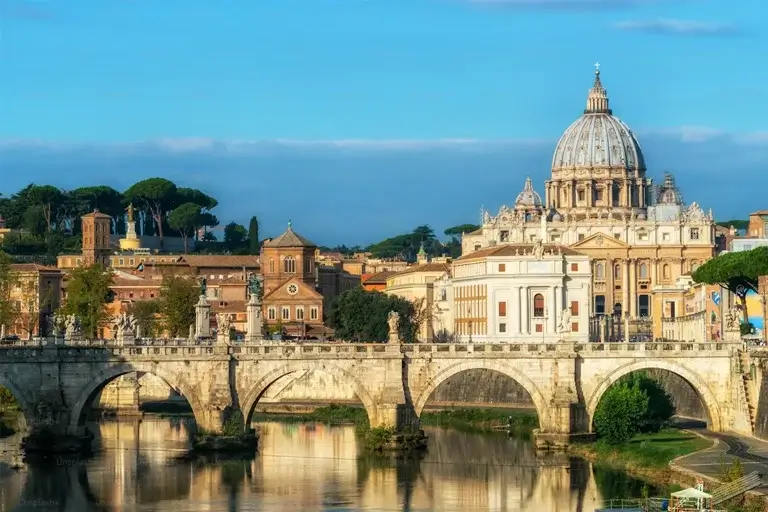
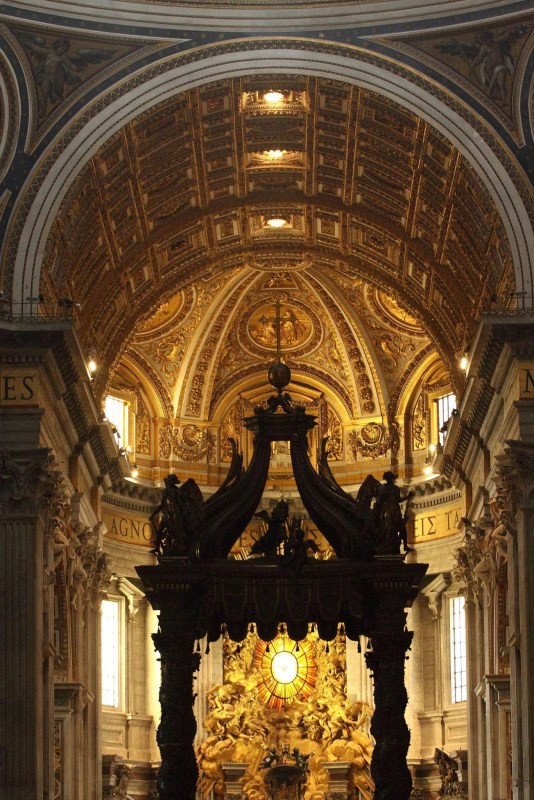
No visit to Rome is complete without entering St. Peter’s Basilica. Built over the tomb of Saint Peter, this is the largest church in the world and one of the most powerful expressions of faith ever created.
Highlights include Michelangelo’s Pietà, Bernini’s Baldachin, and the overwhelming sense of scale meant to make you feel small in the presence of the divine.
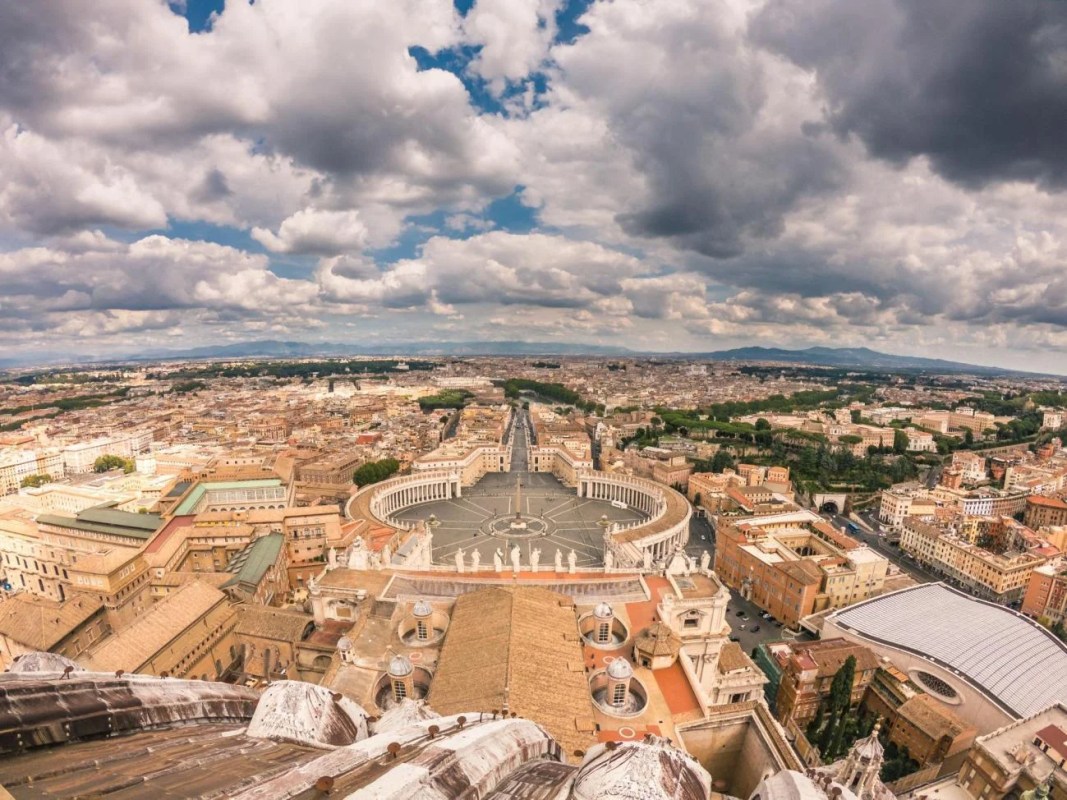
Climb the Dome The dome climb offers one of the most unforgettable views in Rome. Designed by Michelangelo, the ascent brings you inside the structure itself, then out onto the roof for panoramic views over Vatican City and Rome beyond.
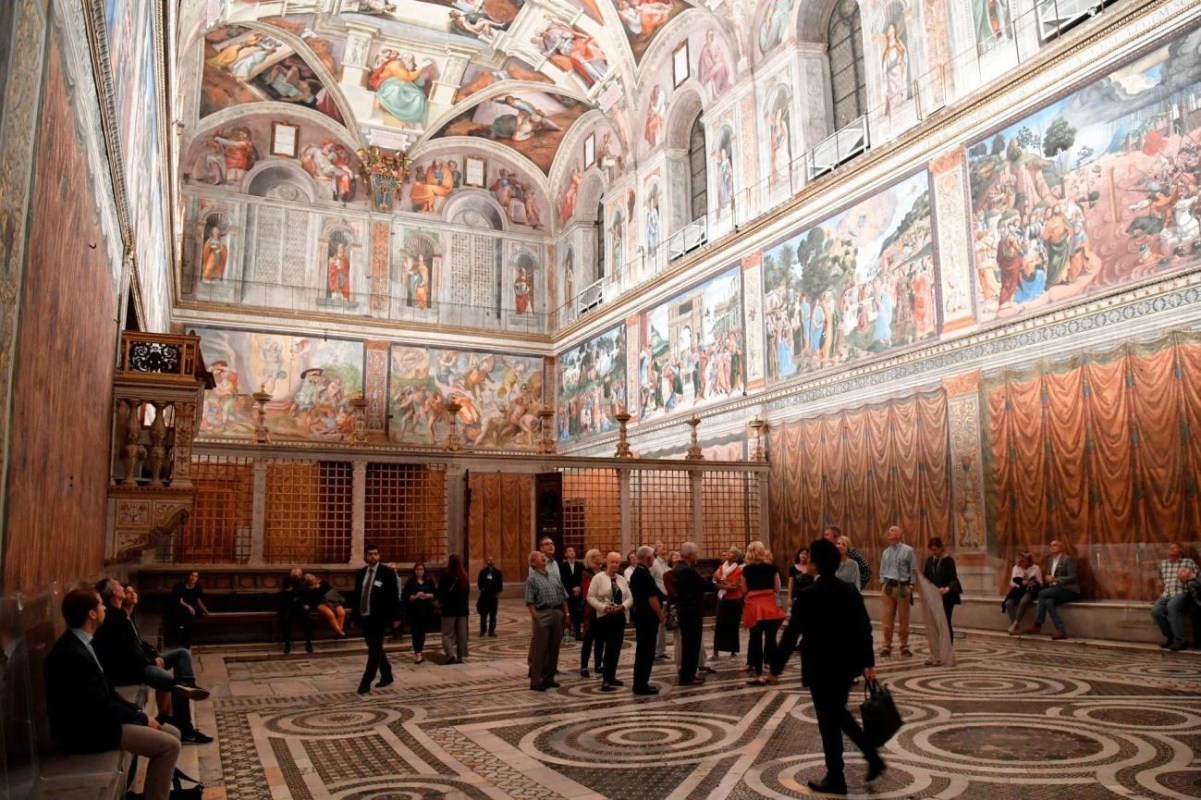
After-Hours Vatican Museums An after-hours tour of the Vatican Museums is transformative. Fewer people, softer lighting, and near silence in the Sistine Chapel allow Michelangelo’s ceiling to be experienced as it was intended.
Eating Rome the Right Way: Immersive Food Experiences
Roscioli Walking Food Tour
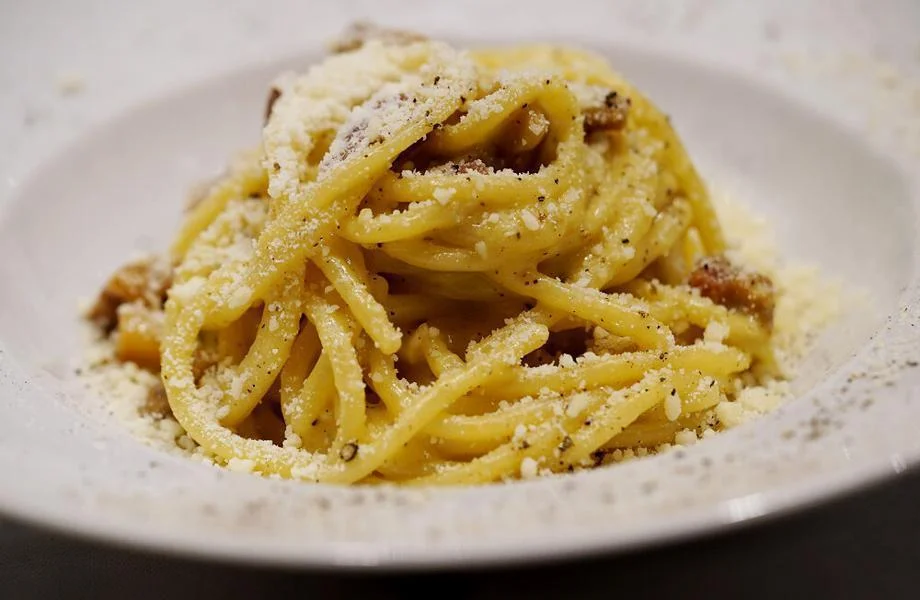
One of the best ways to understand Roman cuisine is through the Roscioli walking food tour. This three-hour experience moves through the historic center, tasting Roman cheeses, cured meats, pizza bianca, and traditional pastas while learning how necessity shaped Rome’s food culture. This is not dining. It is storytelling through food.
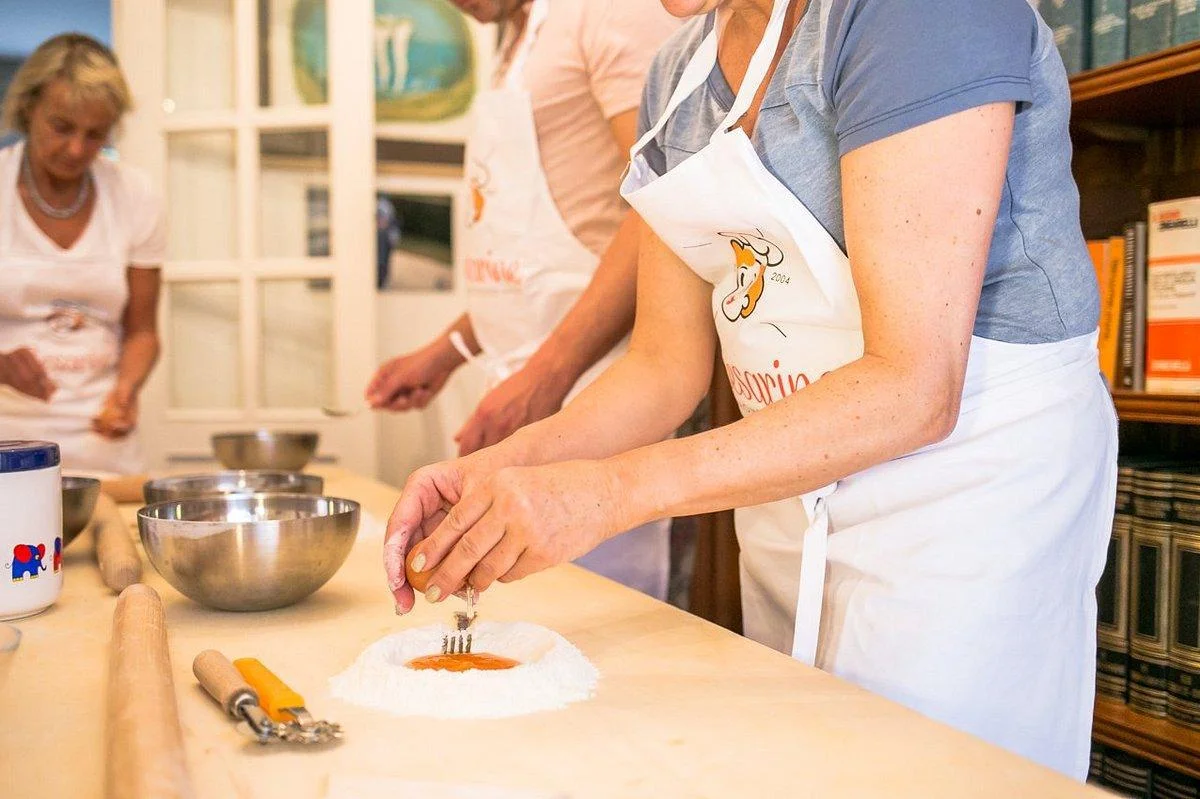
We’ve used Cesarine in several cities, and Rome is one of the best. You cook in a local Roman home, learning classic dishes directly from a home cook, not a staged kitchen. This is hospitality, not performance.
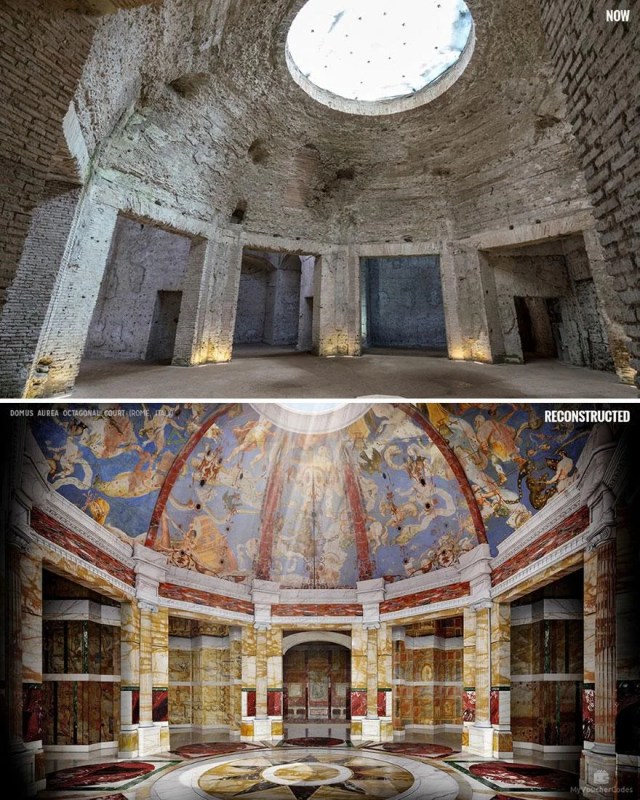
The Domus Aurea is one of Rome’s most surreal visits. Nero’s vast palace was intentionally buried after his death. Today, you descend into darkness, walking through frescoed vaults that once shimmered with gold. Many tours include virtual reality reconstructions, bringing the palace back to life.
Colosseum After Dark
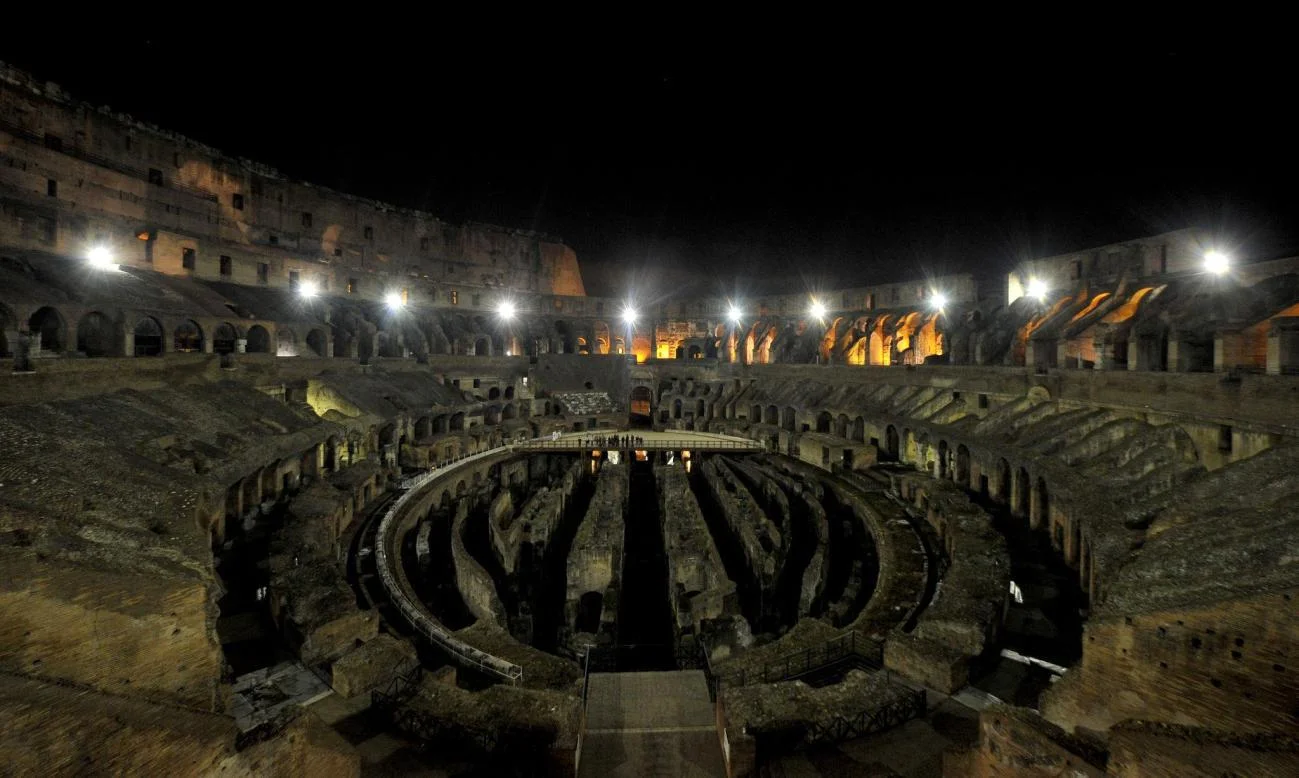
A night tour of the Colosseum changes everything. Smaller groups, controlled lighting, and access to the underground hypogeum make the structure feel less like a ruin and more like a machine designed for spectacle.
Palazzo Colonna
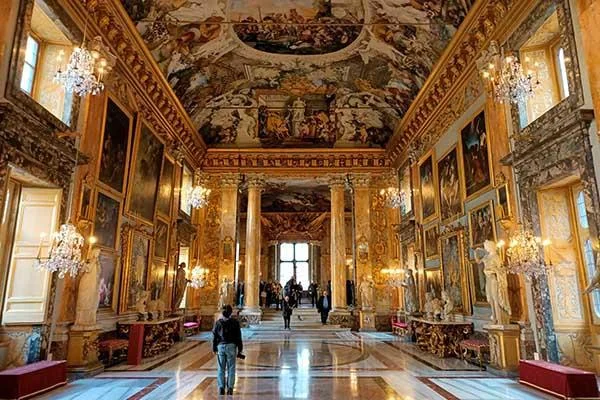
Still privately owned, Palazzo Colonna offers a rare look into uninterrupted Roman aristocratic life. Touring its galleries feels like stepping into a family inheritance rather than a museum.
Rome’s Living Traditions: Festivals Worth Planning Around
Natale di Roma – April 21
Rome celebrates its own founding every year with historical reenactments, parades, and ceremonies around the Colosseum and Roman Forum. Myth, archaeology, and civic pride blend seamlessly.
Feast of Saints Peter and Paul – June 29
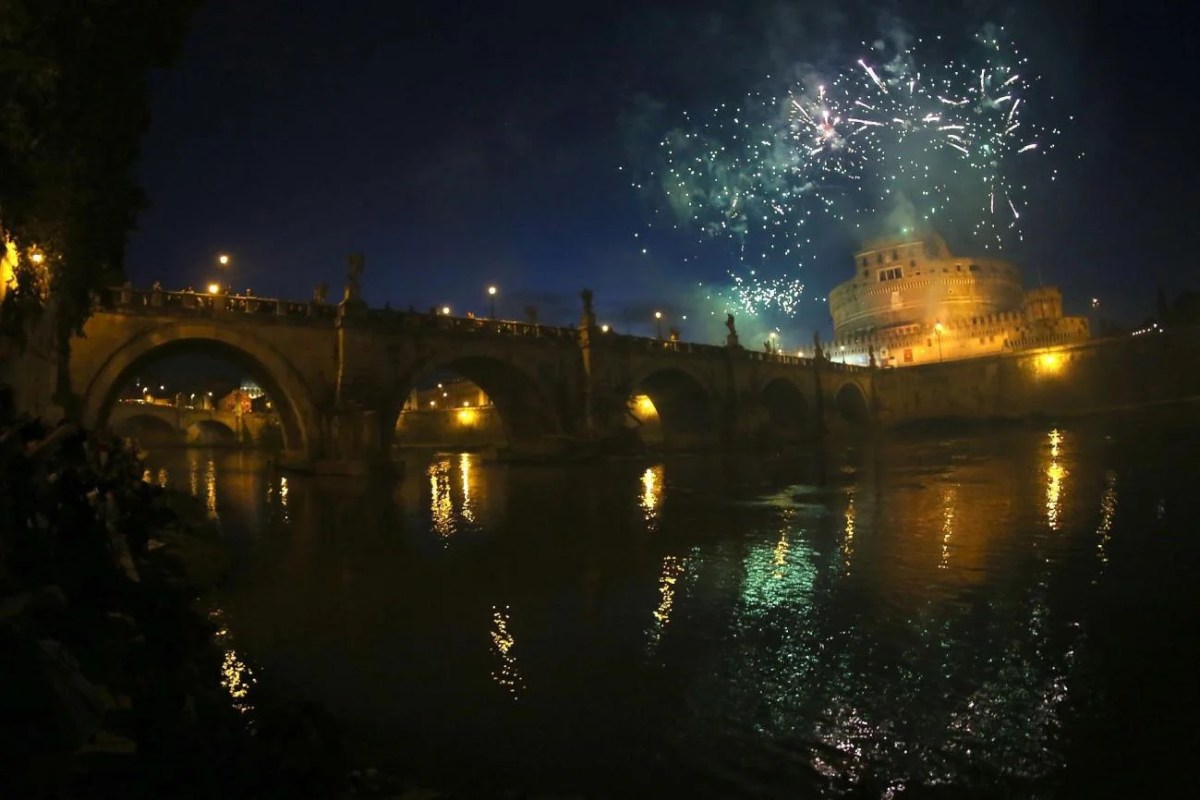
Rome’s patron saints are honored with papal ceremonies and spectacular fireworks over Castel Sant’Angelo, with St. Peter’s dome glowing in the background.
Festa dei Noantri – mid to late July
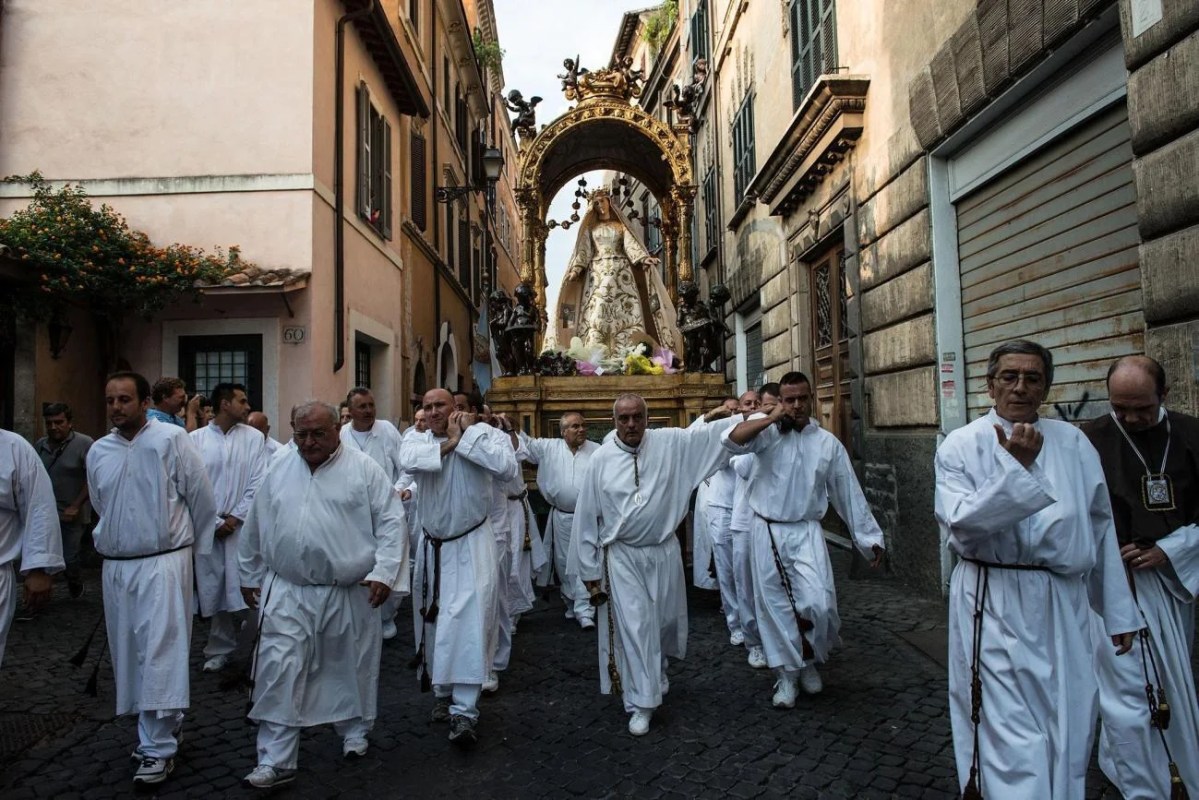
Held in Trastevere, this deeply local festival celebrates neighborhood identity with processions, music, and evening gatherings. “Noantri” means “we others” in Roman dialect, and the festival feels like a village celebration inside the city.
Day Trips from Rome That Complete the Story
Tivoli
Home to two UNESCO sites, Tivoli offers imperial luxury at Hadrian’s Villa and Renaissance spectacle at Villa d’Este. Easily reached by train in about 40 minutes.
Castelli Romani
Hill towns southeast of Rome provide cooler air, vineyards, and authentic Roman escapes. Highlights include:
• Castel Gandolfo – Papal summer residence overlooking Lake Albano • Frascati – Wine, villas, and relaxed Roman weekends • Ariccia – Home of porchetta and lively fraschette
Florence and Orvieto
High-speed trains make Florence reachable in 90 minutes and Orvieto in about an hour, perfect for longer itineraries.
Go Deeper with Rome and Lazio
If Rome speaks to you, my book Ultimate Festival and Travel Guide: Rome and Beyond is designed to help you experience the city and the region like an immersion traveler.
✔ Over 100 festivals across Rome and Lazio ✔ Walking tours by theme and pace ✔ Day trips, food culture, and logistics ✔ Historical context that connects it all
🔗 Available on Amazon and at katerinaferrara.com
Rome is not a city you conquer. It is a city you learn, slowly. And each visit reveals something new.