ZRG Strikes Gold
•
Telenor Microfinance Bank awards ZRG OneView Contact Center System
•
ZRG Receives 5th Consecutive Achievement Gold Award from FPCCI
•
Al Baraka Bank Chooses ZRG OneView CMS Software
•
PSO Awards Contact Center Tender To ZRG
•
ZRG Strikes Gold
•
Telenor Microfinance Bank awards ZRG OneView Contact Center System
•
ZRG Receives 5th Consecutive Achievement Gold Award from FPCCI
•
Al Baraka Bank Chooses ZRG OneView CMS Software
•
PSO Awards Contact Center Tender To ZRG
•
ZRG Strikes Gold
•
Telenor Microfinance Bank awards ZRG OneView Contact Center System
•
ZRG Receives 5th Consecutive Achievement Gold Award from FPCCI
•
Al Baraka Bank Chooses ZRG OneView CMS Software
•
PSO Awards Contact Center Tender To ZRG
•
ZRG Strikes Gold
•
Telenor Microfinance Bank awards ZRG OneView Contact Center System
•
ZRG Receives 5th Consecutive Achievement Gold Award from FPCCI
•
Al Baraka Bank Chooses ZRG OneView CMS Software
•
PSO Awards Contact Center Tender To ZRG
•
Located just outside Naples, the Reggia di Caserta is a royal palace that has earned its reputation as the “Italian Versailles.” This magnificent residence was commissioned in the mid-18th century by King Charles VII of Naples and designed by the celebrated architect Luigi Vanvitelli. It was built to rival the grandeur and scale of France’s Versailles, and in many ways, it surpasses it. In fact, the Reggia di Caserta is one of the largest palaces in the world, with over 1,200 rooms spread across a sprawling 235,000 square meters, making it slightly larger than its French counterpart.
The palace features endless corridors, grand state apartments, and opulent private rooms, including an incredible 24 royal apartments and numerous salons for hosting state functions. It served as the residence of the Bourbon kings of Naples and remains a masterpiece of Baroque and Neoclassical architecture.
The Grand Entrance and State Apartments
As you enter the Reggia di Caserta, the first thing that strikes you is its sheer scale and magnificence. The Grand Staircase of Honor, an architectural marvel with 116 marble steps, leads to the royal apartments and staterooms. Inside, you’ll find the Throne Room, the heart of royal power, decorated with intricate frescoes, gilded stucco, and a massive chandelier that lights up the room’s luxurious interiors.
The private chambers, used by the royal family, are equally impressive. Lavish tapestries, elegant furnishings, and art collections fill the 1,200 rooms, giving a glimpse into the extravagant lifestyle of the Bourbon dynasty. Each room is a treasure trove of history, from the king’s personal chambers to guest rooms reserved for visiting dignitaries.
The Gardens: A Feast for the Senses
Like Versailles, the Reggia di Caserta is renowned for its sprawling gardens, which extend over 120 hectares. The Baroque-style Royal Park features perfectly manicured lawns, a series of grand fountains, and the stunning Great Waterfall. The cascade, flanked by statues of mythological figures, is one of the highlights of the estate and symbolizes the kingdom’s power and wealth.
But the Reggia’s gardens go beyond the formal, French-style layout. The addition of the English Garden, commissioned by Queen Maria Carolina in the late 1700s, introduces a more natural and romantic atmosphere, with winding paths, shaded groves, and exotic plants. It’s a tranquil space designed for private reflection, contrasting beautifully with the formality of the rest of the park.
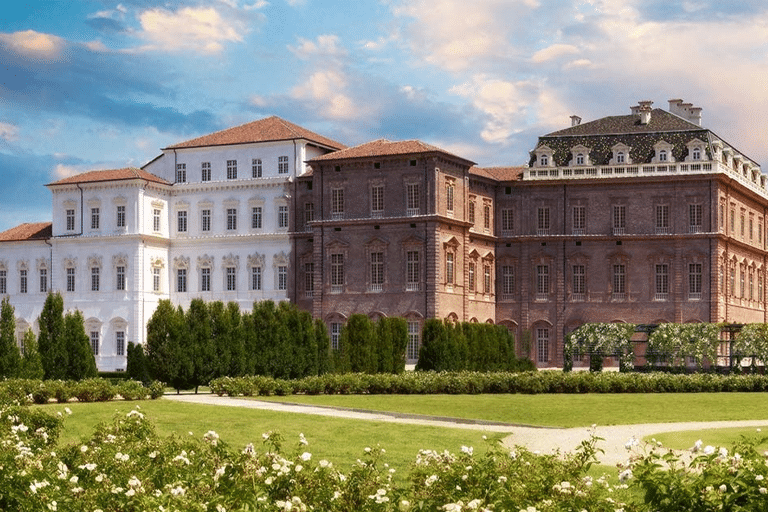
The Post Earlier this Week – Reggia di Venaria
While the Reggia di Caserta near Naples and the Reggia di Venaria near Turin were commissioned by different royal families—the Bourbon dynasty in the south and the House of Savoy in the north—they both reflect Italy’s royal heritage and opulent architectural traditions.
The Reggia di Venaria, constructed in the late 17th century, was designed as a grand hunting lodge for the Savoy family. In contrast, the Reggia di Caserta, completed in the 18th century, was intended as a symbol of the Bourbon kingdom’s power, built to rival the grandeur of Versailles. Both palaces feature vast gardens, intricate interiors, and stunning Baroque designs, although their geographical locations represent the different regions and histories of Italy’s royal courts.
While they were not directly connected politically, both residences share a legacy of royal extravagance and architectural magnificence, offering visitors a glimpse into the lifestyles of Italy’s noble families. If you’re a fan of grand palaces, visiting both the Reggia di Venaria in the north and the Reggia di Caserta in the south provides a fuller picture of Italy’s royal history. for Your Visit
Opening Hours: The Reggia di Caserta is open daily, except Tuesdays, with varied opening hours for the palace and gardens.
Tickets: It’s highly recommended to book your tickets online in advance, especially during peak seasons, to avoid long lines.
Getting There: The palace is easily accessible by train from Naples, with Caserta Station just a short walk from the palace gates.
Dining with a View
After exploring the palace and gardens, treat yourself to a meal at Ristorante Le Colonne, located near the palace. This restaurant offers a refined take on traditional Neapolitan cuisine, combining local flavors with a modern twist.