ZRG Strikes Gold
•
Telenor Microfinance Bank awards ZRG OneView Contact Center System
•
ZRG Receives 5th Consecutive Achievement Gold Award from FPCCI
•
Al Baraka Bank Chooses ZRG OneView CMS Software
•
PSO Awards Contact Center Tender To ZRG
•
ZRG Strikes Gold
•
Telenor Microfinance Bank awards ZRG OneView Contact Center System
•
ZRG Receives 5th Consecutive Achievement Gold Award from FPCCI
•
Al Baraka Bank Chooses ZRG OneView CMS Software
•
PSO Awards Contact Center Tender To ZRG
•
ZRG Strikes Gold
•
Telenor Microfinance Bank awards ZRG OneView Contact Center System
•
ZRG Receives 5th Consecutive Achievement Gold Award from FPCCI
•
Al Baraka Bank Chooses ZRG OneView CMS Software
•
PSO Awards Contact Center Tender To ZRG
•
ZRG Strikes Gold
•
Telenor Microfinance Bank awards ZRG OneView Contact Center System
•
ZRG Receives 5th Consecutive Achievement Gold Award from FPCCI
•
Al Baraka Bank Chooses ZRG OneView CMS Software
•
PSO Awards Contact Center Tender To ZRG
•
Ravenna: Italy’s Hidden Byzantine Masterpiece Why Ravenna Belongs on Every Italy Itinerary
When travelers dream about Italy, they usually picture Rome, Florence, Venice, or the Amalfi Coast.
Few realize that one of Europe’s greatest artistic treasures lies quietly in the region of Emilia Romagna.
Ravenna isn’t simply another beautiful Italian city. It was once the capital of the Western Roman Empire, later the heart of Byzantine Italy, and today preserves some of the finest early Christian mosaics anywhere in the world. With eight UNESCO World Heritage Sites, Ravenna offers an unforgettable blend of history, art, architecture, and authentic Italian life without the overwhelming crowds found elsewhere.
After spending several days exploring Ravenna with my family, it quickly became one of those places we still talk about years later.
Why Ravenna Changed History
Few cities have played such an important role in European history.
In AD 402, Emperor Honorius moved the capital of the Western Roman Empire from Milan to Ravenna. Protected by surrounding marshes and connected to the Adriatic through the great Roman port of Classe, Ravenna was far easier to defend than Rome or Milan.
After the fall of the Western Roman Empire in AD 476, Ravenna became the capital of the Ostrogothic Kingdom under Theodoric the Great before eventually becoming the Byzantine capital of Italy under Emperor Justinian I.
Those successive empires left behind something extraordinary:
A city whose churches still sparkle with mosaics created nearly 1,500 years ago.
The Places You Shouldn’t Miss
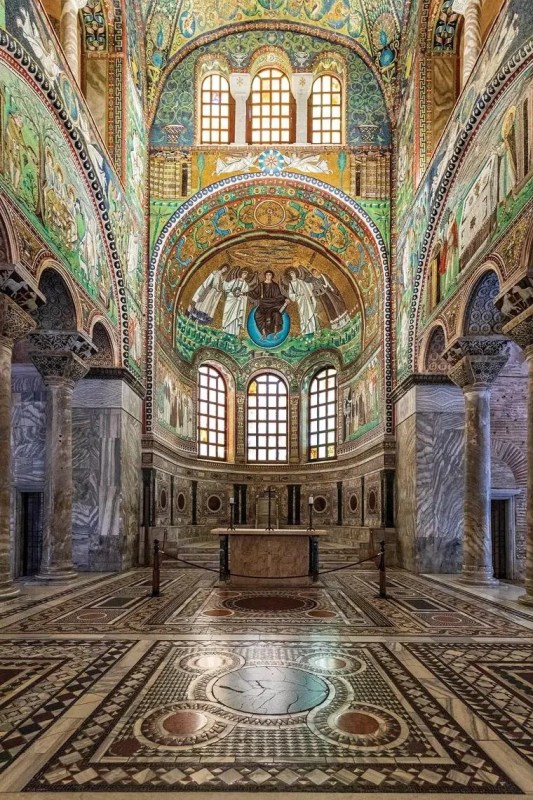
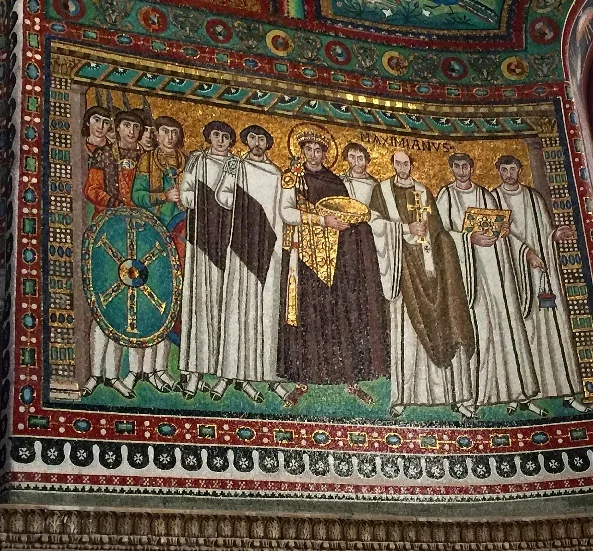
Basilica of San Vitale
If there’s one monument that defines Ravenna, it’s San Vitale.
Completed in AD 547, this remarkable octagonal church is one of the greatest surviving examples of Byzantine architecture in the Western world.
Inside you’ll discover:
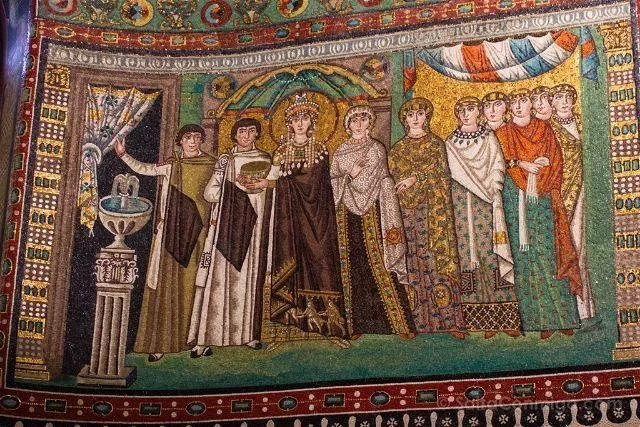
Emperor Justinian and Empress Theodora’s famous mosaics
Christ seated upon a blue globe
Old Testament scenes
Gold mosaics that seem to glow as sunlight changes throughout the day
One detail many visitors miss is that we don’t know the names of the artists who created these masterpieces. Byzantine craftsmen worked anonymously, believing the glory belonged to God rather than themselves.
When we first stepped inside with our guide, the entire family simply stopped talking.
As our eyes adjusted to the dim light, the mosaics seemed to come alive.
It remains one of the most impressive churches we’ve visited anywhere in Italy.
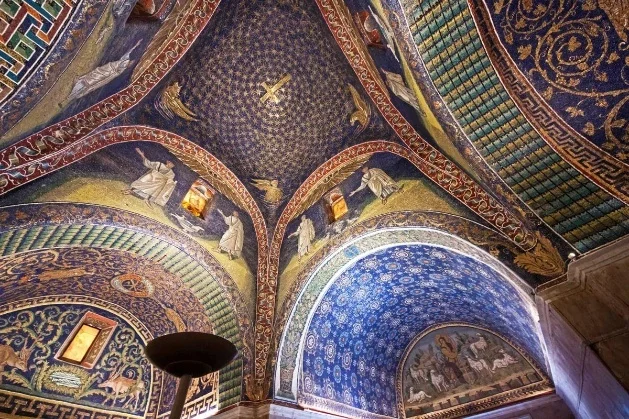
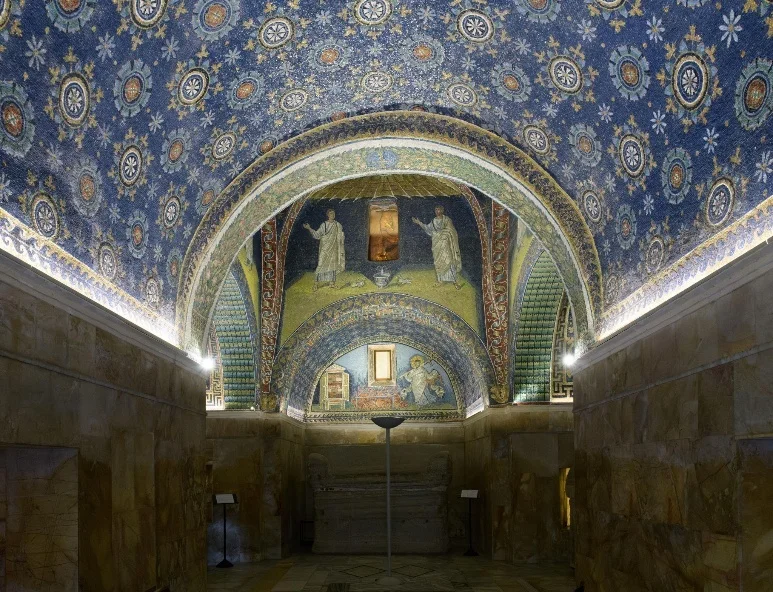
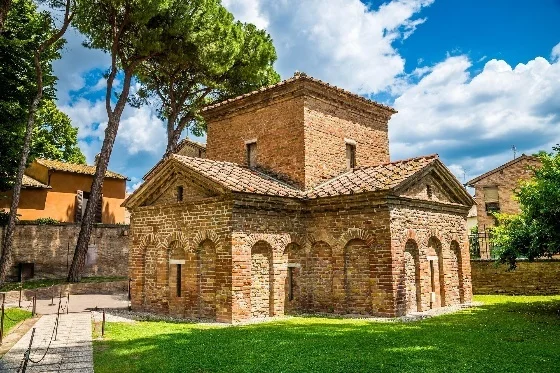
The Mausoleum of Galla Placidia
The outside is surprisingly plain.
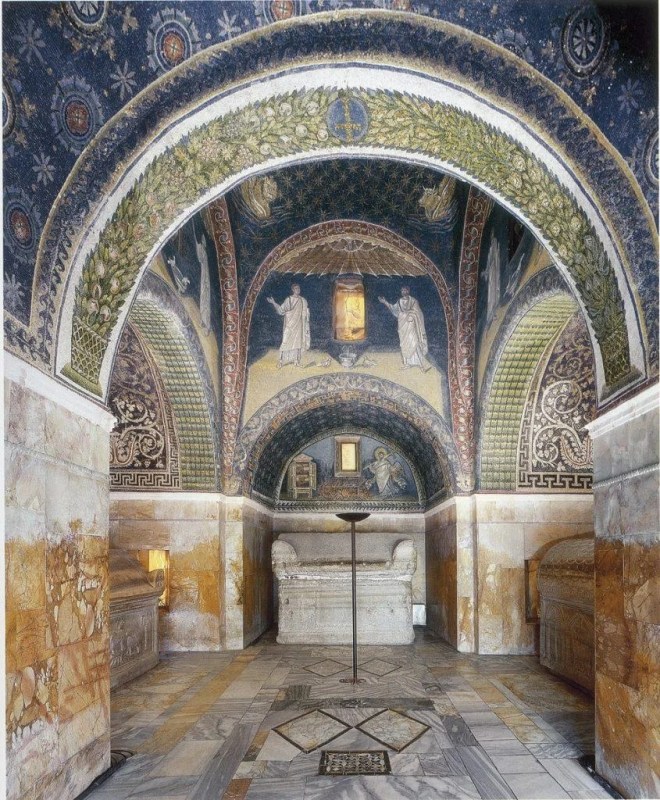
Then you walk inside.
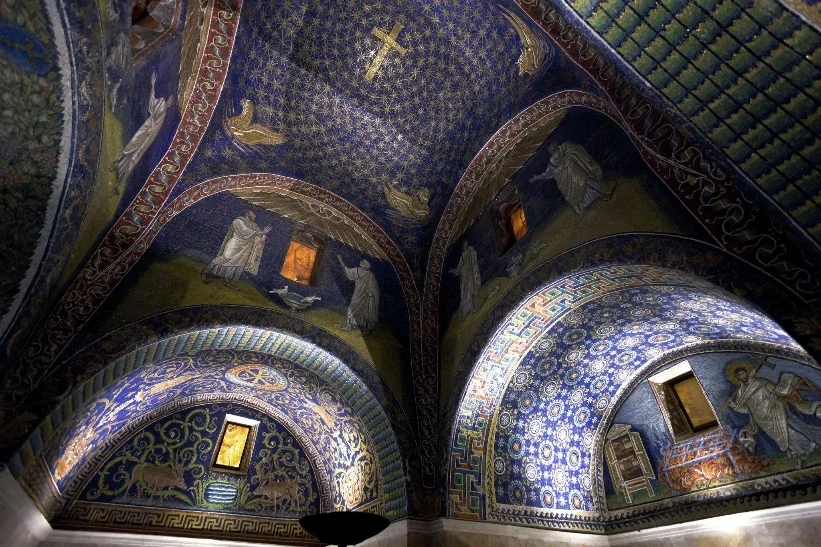
Suddenly you’re standing beneath one of the world’s most famous ceilings.
Thousands of golden stars shimmer across a brilliant blue sky while delicate mosaics decorate every surface.
Before visiting Ravenna I had actually read an entire biography about Galla Placidia, one of the most remarkable women of the late Roman Empire. Although historians believe she probably wasn’t buried here, her name has become forever linked with this extraordinary building.
My husband even surprised me with a handcrafted mosaic inspired by this ceiling one Christmas after our visit.
It still hangs in my office today.
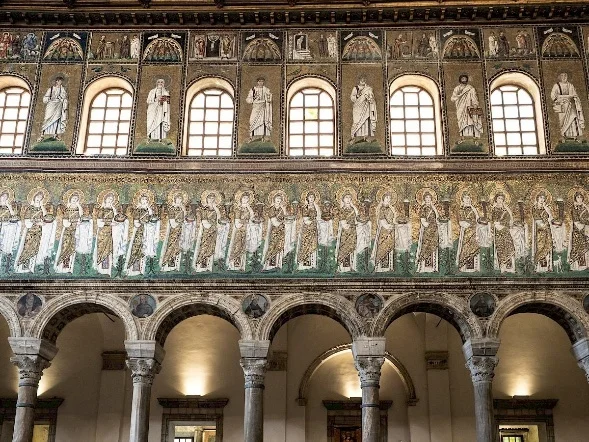
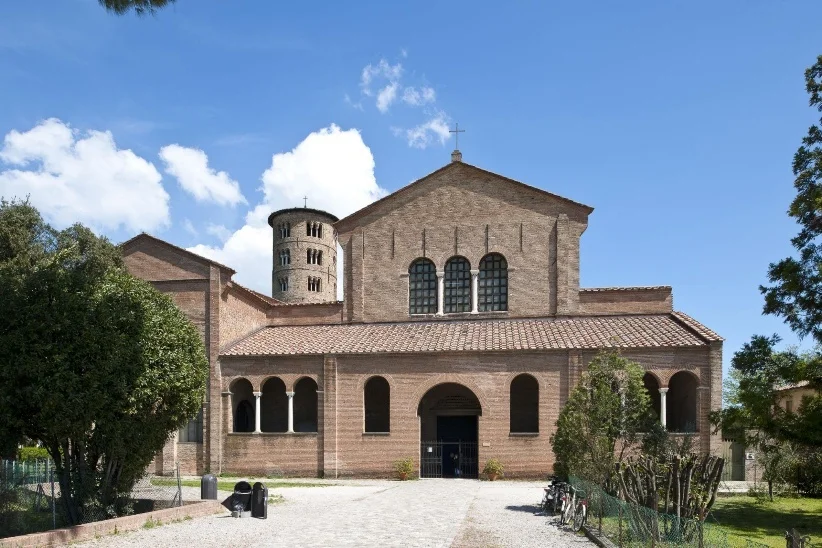
Sant’Apollinare Nuovo
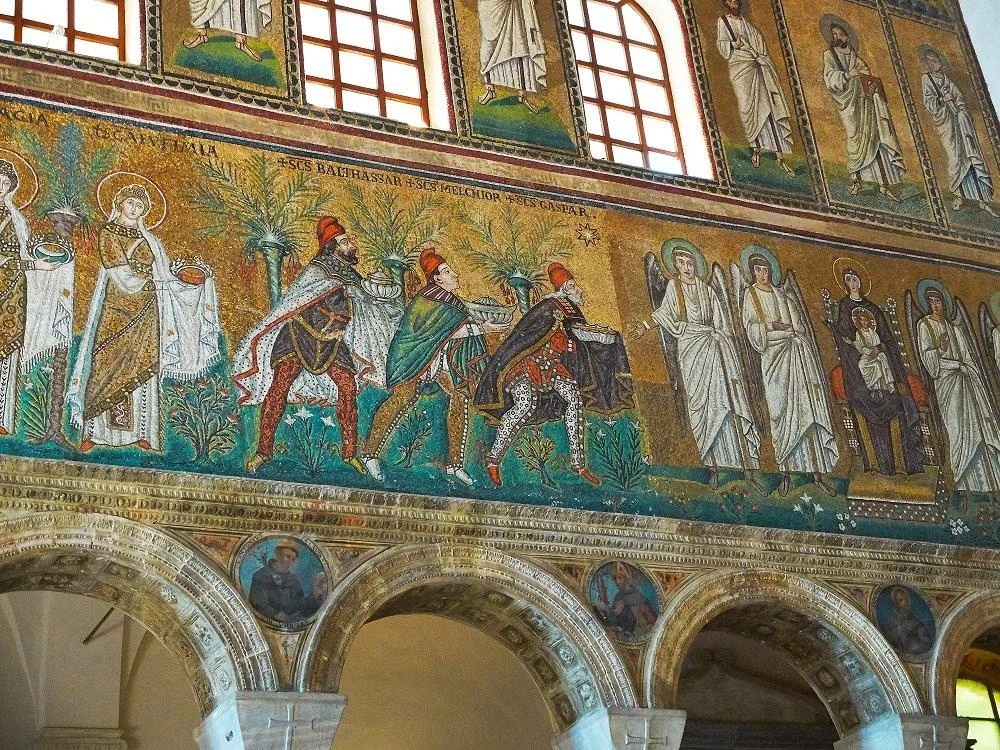
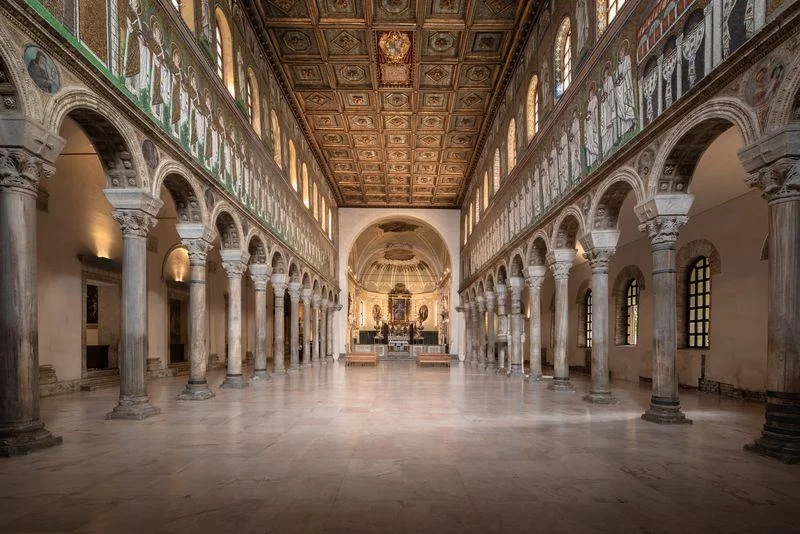
Originally built around AD 505 as the palace church of Theodoric the Great, Sant’Apollinare Nuovo tells the story of Ravenna’s changing religious history.
Its breathtaking mosaics include:
Processions of martyrs and virgins
Some of the oldest surviving scenes from Christ’s life
Fifteen centuries of Byzantine artistry
Walking through this church feels like walking alongside kings, bishops, emperors, and pilgrims who stood here long before us.
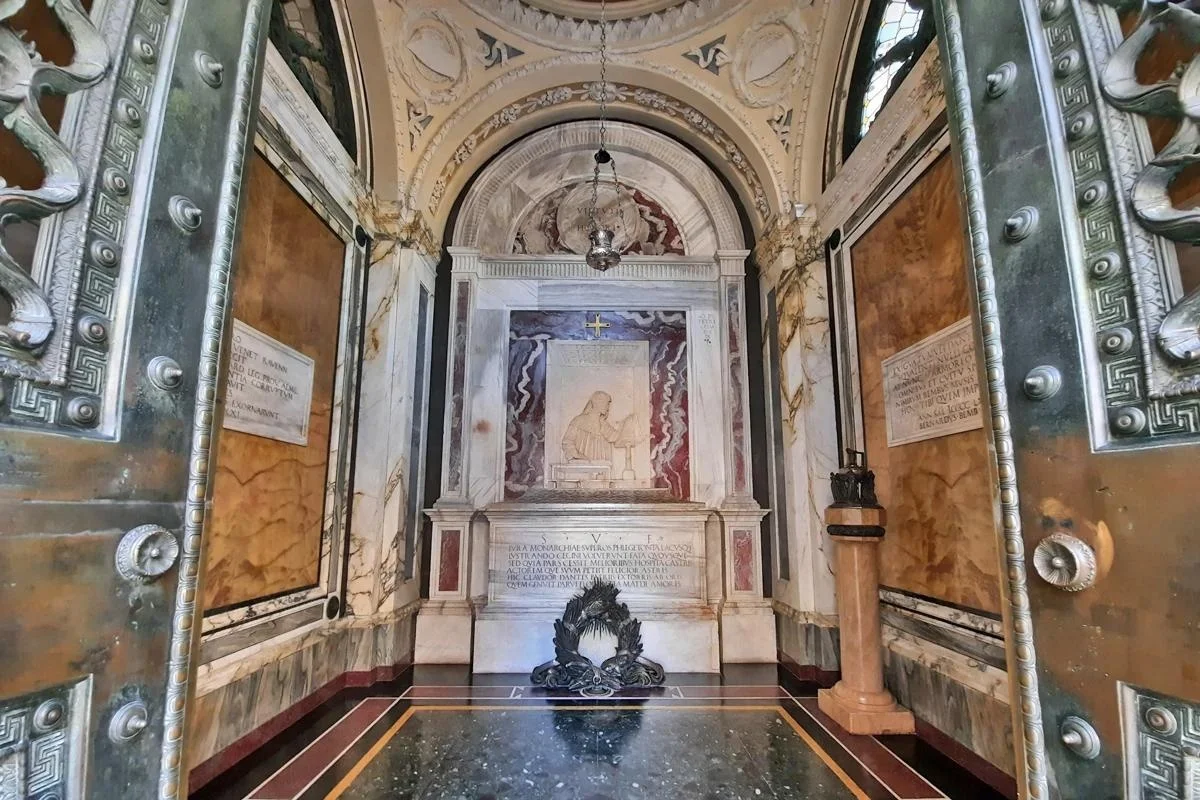
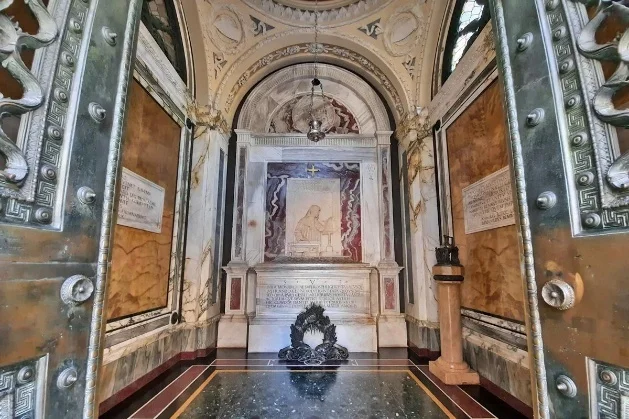
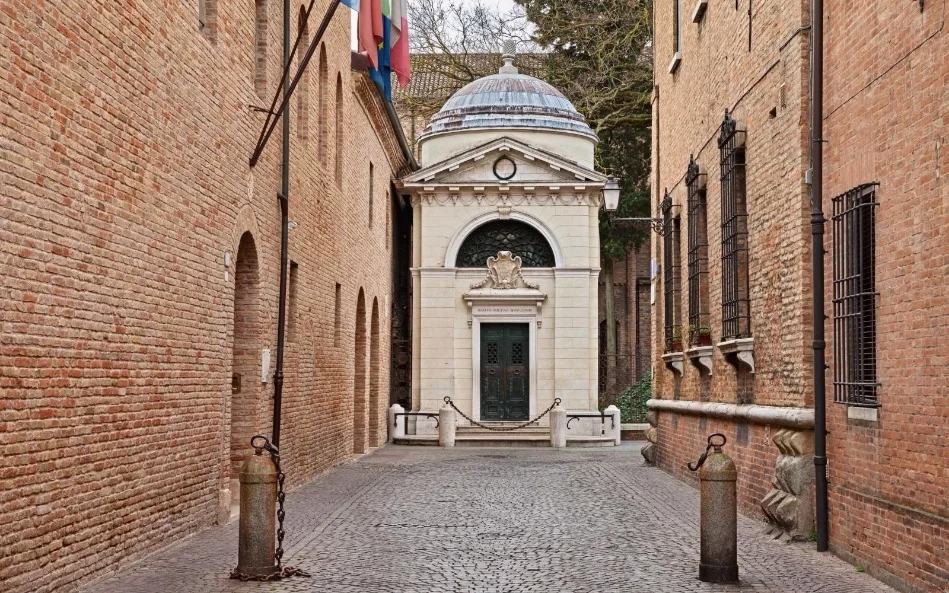
Dante’s Tomb
Most people associate Dante with Florence.
Yet it was Ravenna that gave him refuge after exile.
Here he completed the Divine Comedy, one of the greatest literary works ever written, before dying in 1321.
His modest tomb remains one of Ravenna’s most meaningful places to visit.
One Experience We Highly Recommend
Instead of simply admiring Ravenna’s mosaics…
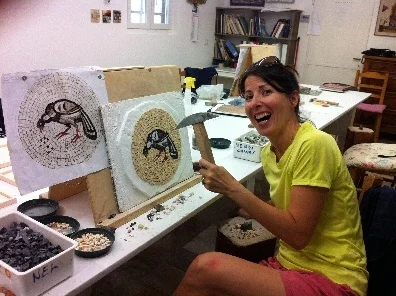
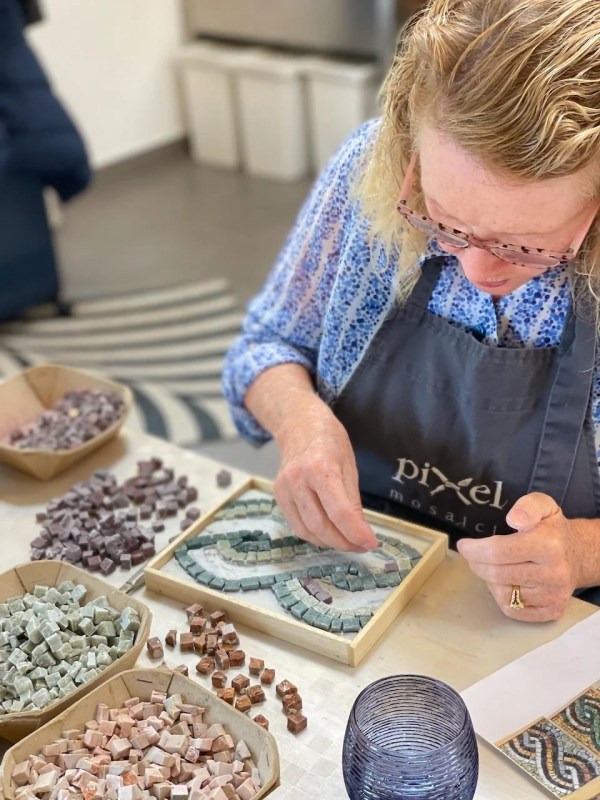
Try making one.
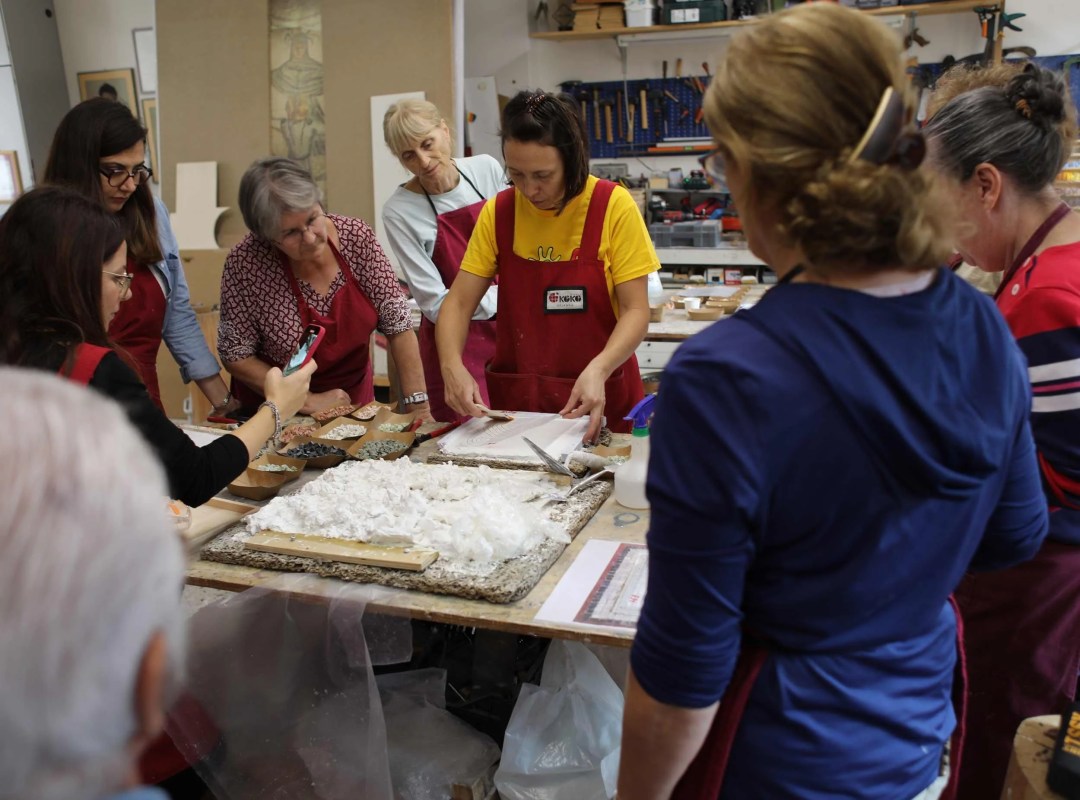
During our visit, my family spent an afternoon in a mosaic workshop learning the ancient techniques still practiced today.
After placing only a handful of tiny tesserae ourselves, we gained an entirely new appreciation for the incredible skill required to decorate Ravenna’s churches.
It’s easily one of the most memorable activities we’ve experienced in Italy.
Don’t Miss Sant’Apollinare in Classe
Just outside the city lies another UNESCO treasure that many visitors overlook.
Sant’Apollinare in Classe was once connected to the great Roman naval port of Classe.
Its enormous apse mosaic is among the finest surviving examples of early Christian art anywhere in Europe and is well worth the short trip from Ravenna’s historic center.
Stay Overnight
One of the biggest mistakes visitors make is treating Ravenna as a day trip.
Stay at least one night.
After the tour groups leave:
Piazza del Popolo fills with locals.
Families enjoy the evening passeggiata.
Restaurants become lively.
The warm brick buildings glow in the evening light.
That’s when Ravenna truly comes alive.
Practical Tips
Purchase your combined UNESCO monument ticket in advance, especially during busy travel seasons.
Allow two full days to properly experience the city.
Wear comfortable shoes since the historic center is best explored on foot.
Don’t skip the mosaic workshops.
Visit San Vitale early in the morning if possible for the best light and smaller crowds.
Listen to the Podcast
Want to dive even deeper into Ravenna’s incredible history?
🎙️ Listen to Episode One of Italy’s Masterpiece Travel Guide, where I share the stories behind Ravenna’s Byzantine mosaics, Roman emperors, Dante, hidden experiences, practical travel tips, and personal memories from our family’s visit.
All are available on Amazon through the links on my website.
Have you visited Ravenna? I’d love to hear which mosaic, church, or hidden corner became your favorite. Leave a comment below and share your experience!