ZRG Strikes Gold
•
Telenor Microfinance Bank awards ZRG OneView Contact Center System
•
ZRG Receives 5th Consecutive Achievement Gold Award from FPCCI
•
Al Baraka Bank Chooses ZRG OneView CMS Software
•
PSO Awards Contact Center Tender To ZRG
•
ZRG Strikes Gold
•
Telenor Microfinance Bank awards ZRG OneView Contact Center System
•
ZRG Receives 5th Consecutive Achievement Gold Award from FPCCI
•
Al Baraka Bank Chooses ZRG OneView CMS Software
•
PSO Awards Contact Center Tender To ZRG
•
ZRG Strikes Gold
•
Telenor Microfinance Bank awards ZRG OneView Contact Center System
•
ZRG Receives 5th Consecutive Achievement Gold Award from FPCCI
•
Al Baraka Bank Chooses ZRG OneView CMS Software
•
PSO Awards Contact Center Tender To ZRG
•
ZRG Strikes Gold
•
Telenor Microfinance Bank awards ZRG OneView Contact Center System
•
ZRG Receives 5th Consecutive Achievement Gold Award from FPCCI
•
Al Baraka Bank Chooses ZRG OneView CMS Software
•
PSO Awards Contact Center Tender To ZRG
•
Episode 9 of 20: Regional Capitals of Italy Series
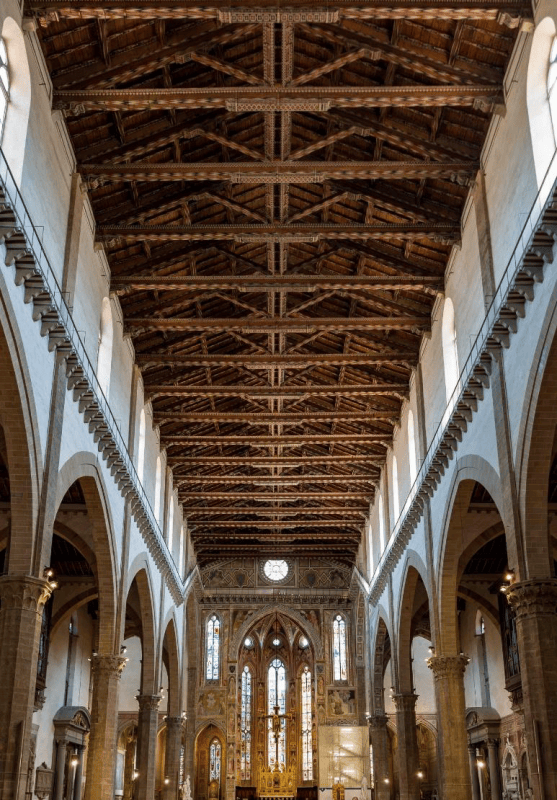
Florence is a city people think they already know. The Renaissance. Michelangelo. The Duomo. The Medici. But Florence is not a museum city frozen in time, and Tuscany is not just rolling hills and wine labels. This is a region shaped by power, money, ideas, and conflict. Beauty here was never accidental. Influence was earned, defended, and fought over for centuries.
This companion blog expands on Episode 8 of the Immersion Travel Italy Podcast: Florence and Tuscany, offering historical context, walking routes, food stops, and immersive experiences to help you understand not just what you are seeing, but why it matters.
My first trip to Florence was a day trip from Rome by fast train. It was me, my husband, and our son. We did what most first-time visitors do. We saw the Duomo. Crossed the Ponte Vecchio. Visited Michelangelo’s David at the Accademia, grateful we had booked tickets in advance. And by the end of the day, we did not want to leave. Florence felt alive. Dense. Layered. Filled with Medici history. We had barely scratched the surface. We returned shortly after, and I have been back many times since. Once with my cousin Susie. Once alone. And once to visit friends from Florence and nearby Fiesole, looking down over the city from the hills. Florence is not a one time city. It invites you back, again and again, revealing something new each time.
Florence’s Deep Historical Roots
Long before Florence became Florence, this land belonged to the Etruscans. Tuscany was their heartland, shaped by roads, trade routes, and hill towns that still define the region today. In 59 BC, Julius Caesar founded the Roman colony of Florentia along the Arno River. The city was laid out as a Roman grid, and those bones still structure Florence today. After the fall of Rome, Florence shrank but never disappeared. By the Middle Ages, trade, banking, and powerful guilds brought it back to prominence. Competition and conflict fueled ambition.
The Renaissance: Florence Changes the World
By the 14th and 15th centuries, Florence was no longer just a city. It was an idea. At the center stood the Medici family. Bankers first. Politicians second. Patrons strategically. They understood that art was influence. Architecture was legacy. Ideas were power. Brunelleschi. Donatello. Michelangelo. Leonardo. Florence became a laboratory of human potential. Perspective, anatomy, and humanism reshaped how people saw themselves and the world. Walking through Florence today, you still feel that confidence everywhere.
Beginning the Day: Pasticceria Gilli
Whenever we’re in Florence, my husband and I always start the same way. Before the Duomo, before the crowds, we stop at Pasticceria Gilli. Founded in 1733, Gilli is one of Florence’s oldest cafés. Polished marble, mirrors, restrained elegance. Locals still stop in. Orders are quick. Coffee arrives exactly as it should. This isn’t just breakfast. It’s a pause. A reminder that Florence isn’t something you conquer. It’s something you ease into.
Piazza del Duomo and Santa Maria del Fiore
Piazza del Duomo is Florence at its most confident. The cathedral was begun in 1296 and took nearly 140 years to complete. The façade you see today dates to the 19th century, clad in white Carrara marble, green Prato marble, and deep red accents arranged in precise geometric patterns. Beneath it all is medieval ambition on a monumental scale. This was meant to be the largest church in Europe. Faith and civic power merged here.
Brunelleschi’s Dome
The dome dominates Florence. Terracotta curves. White ribs. A lantern crowning the city. Inside, the space opens dramatically. No columns. No visible supports. Just geometry and certainty. Above, The Last Judgment spirals upward in dense, dramatic frescoes. This is not subtle faith. This is faith designed to be felt.
Climbing the Dome
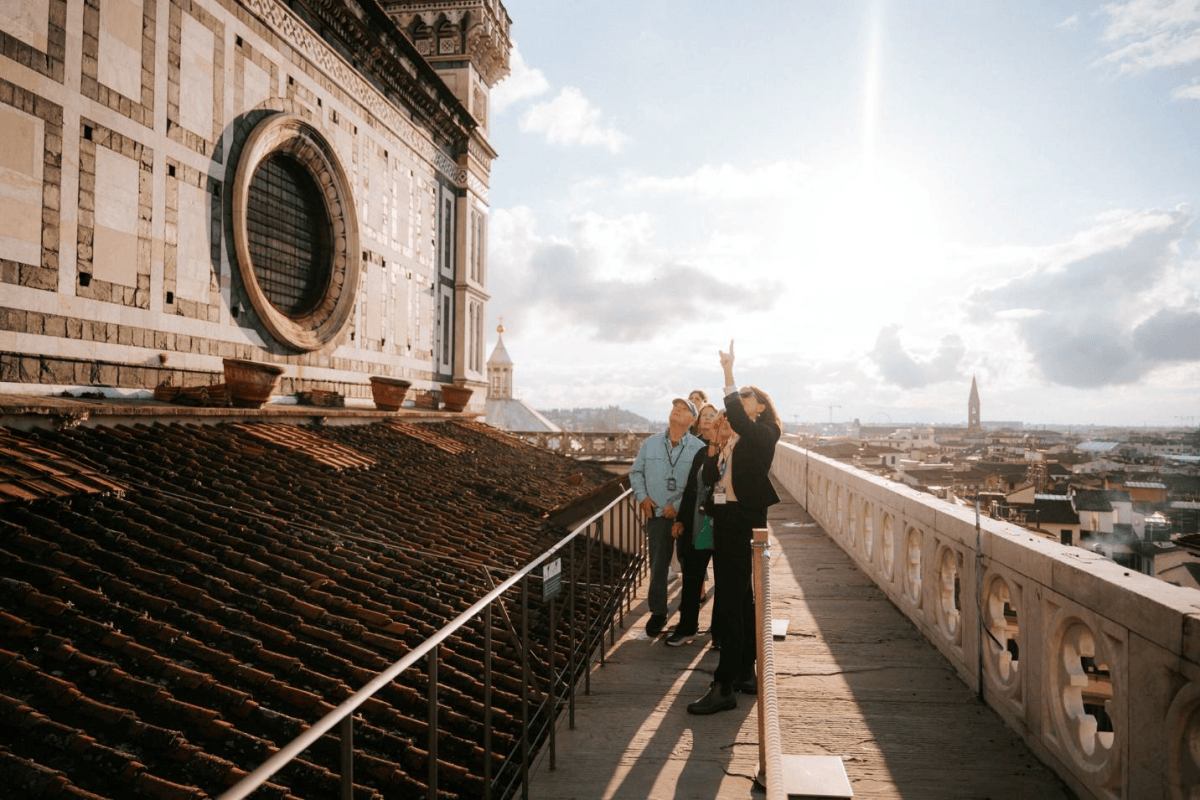
I have climbed both the dome and the bell tower. If you choose only one climb, choose the dome. There are 463 steps, narrow and rising between the inner and outer shells. Halfway up, you stand eye level with the frescoes themselves. At the top, Florence spreads out below in terracotta and stone. Tickets should always be purchased in advance through the official cathedral website.
Giotto’s Bell Tower
Giotto’s Campanile rises beside the cathedral, wrapped in bands of colored marble. Giotto, a contemporary of Dante, helped pull art toward emotion and physical presence. Climbing the 414 steps offers clarity. From here, you look directly across at Brunelleschi’s dome and understand its genius as an object.
The Baptistery and the Doors That Changed Art
The Baptistery of San Giovanni predates the Duomo. In 1401, Florence held a competition for new bronze doors. Brunelleschi and Lorenzo Ghiberti were finalists. Ghiberti won. Brunelleschi turned to architecture. Ghiberti spent decades creating the doors later called the Gates of Paradise.The originals are preserved in the Museo dell’Opera del Duomo, where exceptional lighting reveals their depth and detail.
Lunch Near the Duomo: Trattoria Zà Zà
Near San Lorenzo, Trattoria Zà Zà is lively, reliable, and deeply Florentine. This is where I ate with my cousin and a close friend. Ribollita. Fresh pasta with ragù. Food meant to nourish, not impress.
Piazza della Signoria and Medici Power
Palazzo Vecchio was built as Florence’s town hall, a fortress of civic authority. The Medici eventually took control, moving their court here before relocating to Pitti Palace and ruling from behind closed doors. The Vasari Corridor allowed them to move unseen between palaces. Their dynasty ended in 1737, but Anna Maria Luisa de’ Medici ensured Florence’s art would remain forever.
Santa Maria Novella and Its Cloisters
For many visitors, Florence begins at the train station. Santa Maria Novella stands directly across from it. Inside, Masaccio’s Holy Trinity introduces true linear perspective. Behind the church, the cloisters reveal a quieter Florence. The Chiostro Verde, painted in green earth pigments, was designed for meditation, not spectacle.
If You Have More Than One Day
Pitti Palace The Medici’s later residence, filled with art displayed as it was lived with, not curated. Boboli Gardens Terraced gardens designed to demonstrate control over nature, offering sweeping views of Florence.
Day Trips from Florence
Florence is surrounded by extraordinary towns, easily reached by train or bus. Siena Shell-shaped Piazza del Campo. Gothic Duomo. Deep medieval rivalry.
Lucca Intact Renaissance walls. Calm elegance. An independent republic for centuries.
Pisa More than a leaning tower. A former maritime republic shaped by triumph and decline. I didn’t have time here to include Arezzo, Livorno, Grosseto, Prato, Pistoia, Carrara, Volterra, Viareggio, San Gimignano, or Cortona — but they will come in future episodes.
Immersive Experiences in Florence
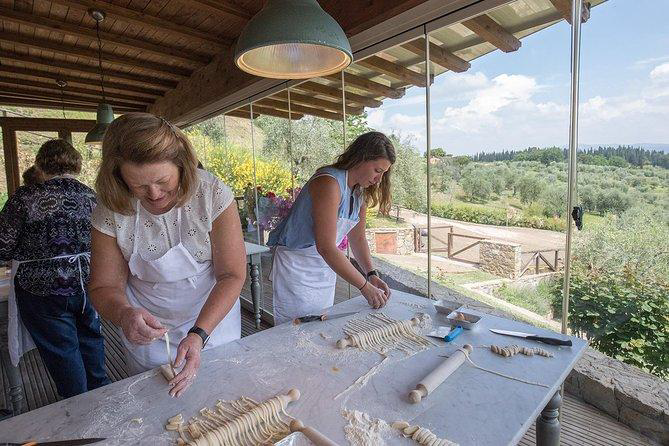
Tuscan cooking classes with market visits
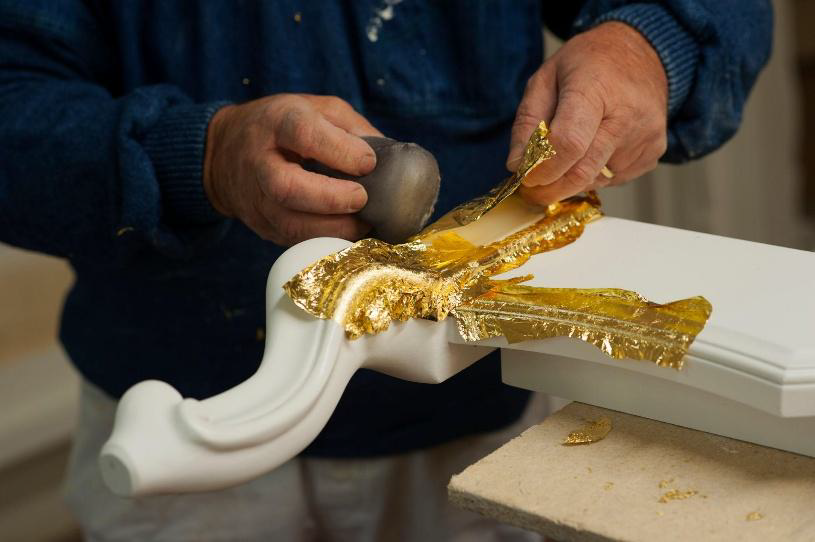
Fresco and gilding workshops
Art restoration insights
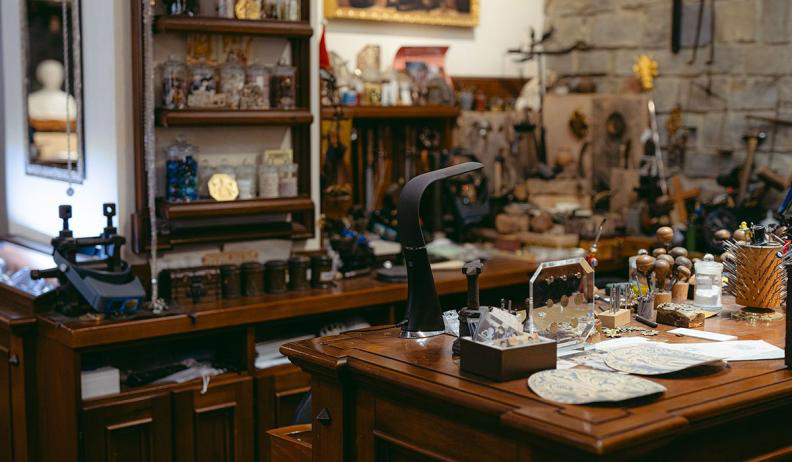
Perfume and apothecary traditions
Leather workshops in the Oltrarno
After hours Duomo experiences
These experiences deepen understanding. They turn Florence from a destination into a relationship.
A Tuscan Cooking Class with a Market Visit
One of the most immersive ways to understand Florence is through its food. Many of the best cooking classes begin at San Lorenzo Market, where you shop alongside a local chef. You’re not hunting for rare ingredients. You’re learning how Florentines choose produce, bread, olive oil, and seasonal staples. Back in the kitchen, the focus is on Tuscan cooking as it actually exists. Simple dishes. Few ingredients. Technique over complexity. Pasta made by hand. Soups like ribollita and pappa al pomodoro. Food designed to nourish rather than impress. This experience isn’t about memorizing recipes. It’s about understanding how Florence eats.
Hands On Art: Fresco or Gilding Workshops
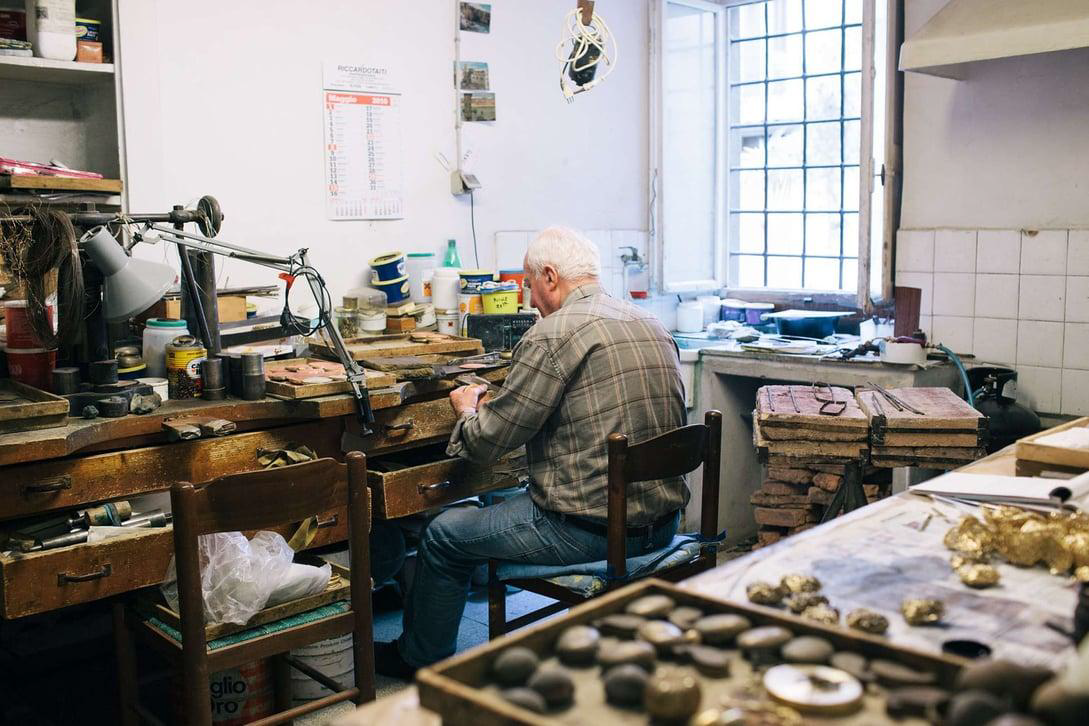
Florence didn’t just produce great art. It produced great artisans. Small workshops around the city offer hands on introductions to Renaissance techniques, including buon fresco, gold leaf gilding, and egg tempera painting. You work with plaster, pigment, and tools similar to those used centuries ago. This changes how you see Florence’s churches and museums. Frescoes stop being images and start becoming labor. Precision. Time. You leave with a deeper respect for what it meant to create beauty slowly and deliberately.
Art Restoration: Florence as Steward
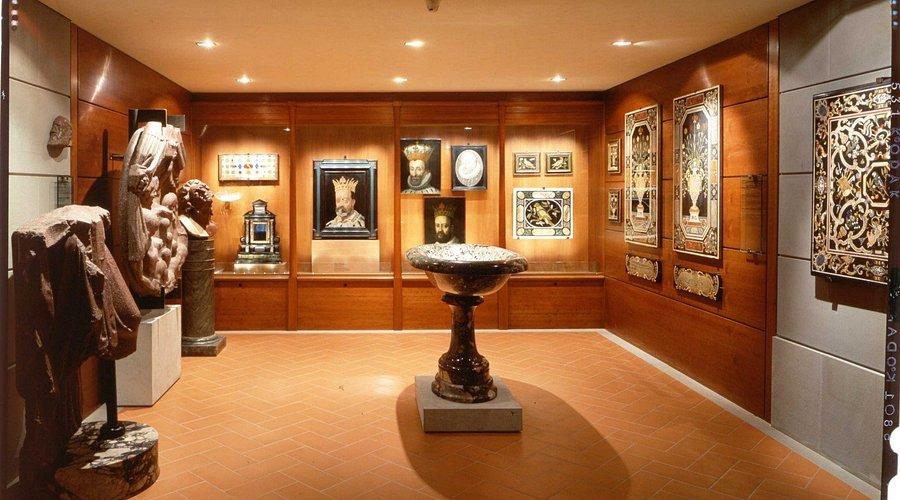
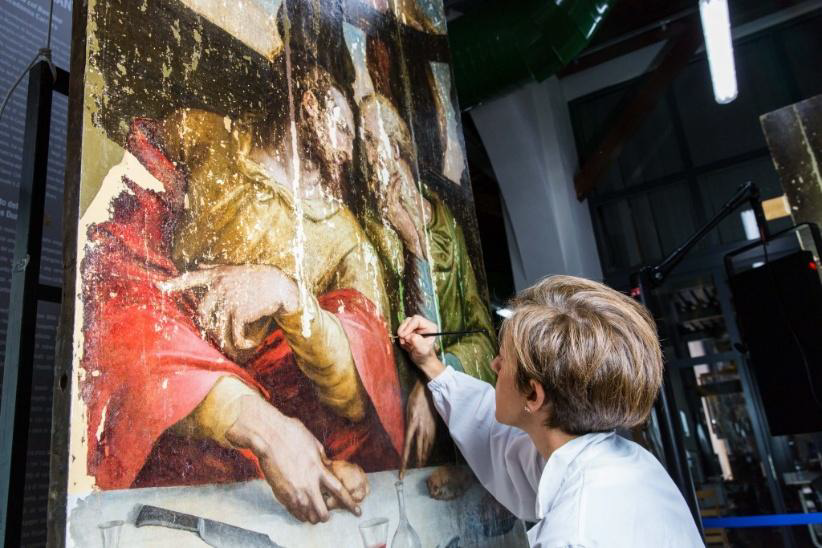
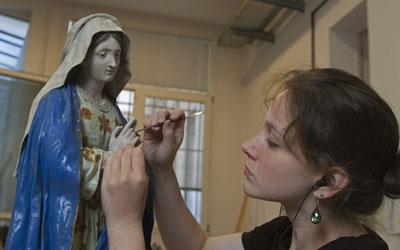
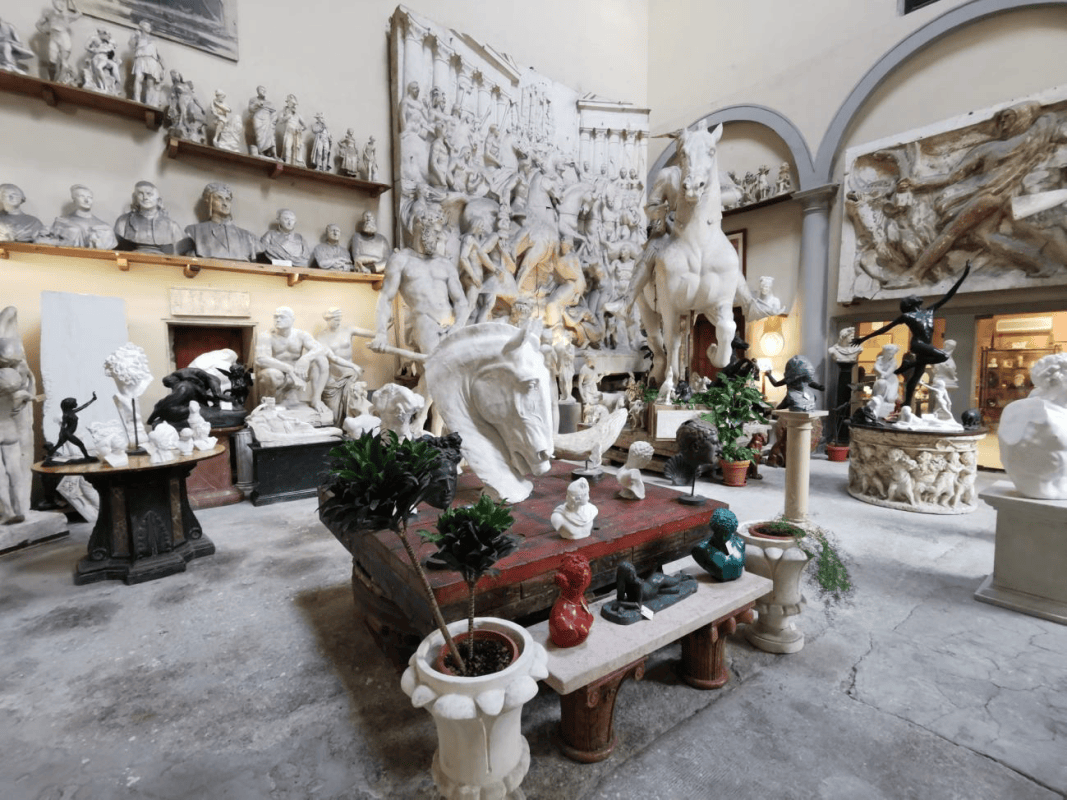
Florence doesn’t just display art. It protects it. The Opificio delle Pietre Dure is one of the world’s leading centers for art conservation. In some guided visits or educational sessions, you can learn how experts stabilize frescoes, clean paintings, and preserve sculptures damaged by time or disaster. This experience reveals Florence as caretaker rather than showpiece. It’s about responsibility. Preservation. Long thinking. It fits perfectly with Florence’s centuries long commitment to continuity.
Perfume and Apothecary Traditions
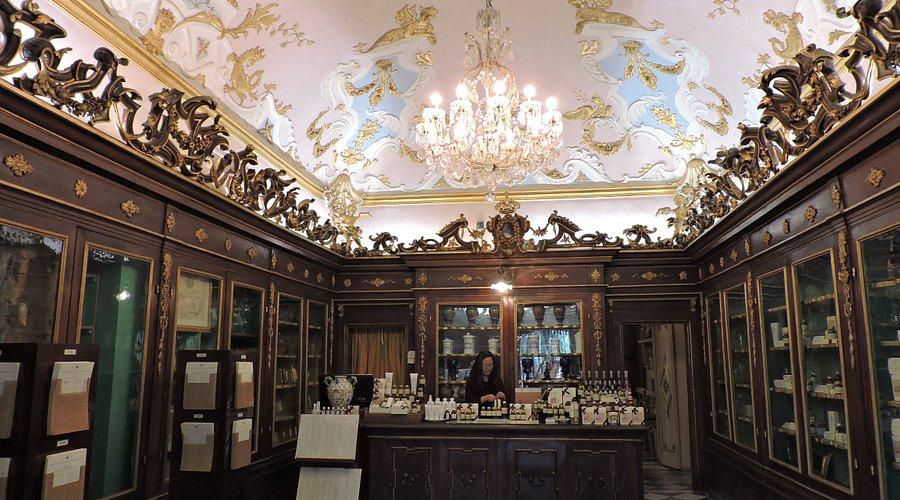
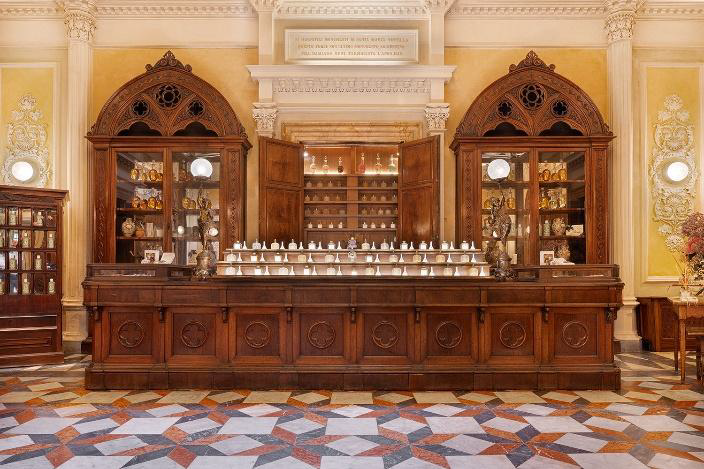
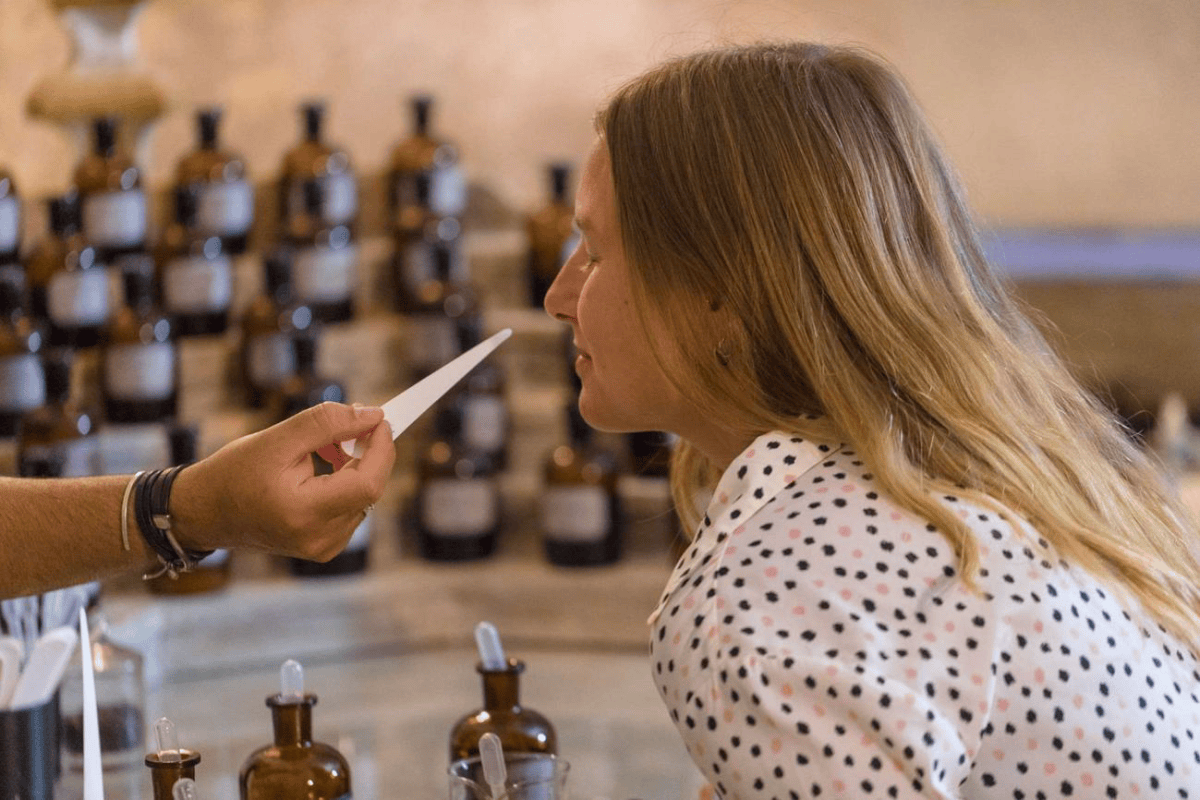
At the Officina Profumo-Farmaceutica di Santa Maria Novella, Florence’s history is experienced through scent. Founded by Dominican friars in the thirteenth century, this apothecary connects medicine, monastic life, and Renaissance science. Some experiences explore herbal remedies, early cosmetics, and traditional perfumes tied to Florentine history. It’s a reminder that Florence engaged all the senses, not just the eye.
Leather Craft in Oltrarno
Across the Arno, in Oltrarno, Florence’s craft traditions still survive. Leather workshops offer short, hands on experiences where you cut, stitch, and assemble simple items using traditional methods. This is not luxury branding. It’s skilled labor passed down over generations. You leave understanding how Florence built its economy long before it built its museums.
After Hours Florence: Quiet Access
One of the most transformative experiences in Florence is seeing it after hours. Small group visits to churches or museums allow you to enter spaces once the crowds have gone. Lights are lower. Sound changes. You notice details you missed before. Florence feels less like a destination and more like a place that still belongs to itself.
Why Florence Stays With You After Rome and Venice, Florence is the third most visited city in Italy — and for good reason. History here was public. Art was political. Architecture was ambition made visible. Florence rewards return visits. The beauty draws you in. The depth pulls you back. That’s why people return. That’s why I love this city. Florence stays with you.