ZRG Strikes Gold
•
Telenor Microfinance Bank awards ZRG OneView Contact Center System
•
ZRG Receives 5th Consecutive Achievement Gold Award from FPCCI
•
Al Baraka Bank Chooses ZRG OneView CMS Software
•
PSO Awards Contact Center Tender To ZRG
•
ZRG Strikes Gold
•
Telenor Microfinance Bank awards ZRG OneView Contact Center System
•
ZRG Receives 5th Consecutive Achievement Gold Award from FPCCI
•
Al Baraka Bank Chooses ZRG OneView CMS Software
•
PSO Awards Contact Center Tender To ZRG
•
ZRG Strikes Gold
•
Telenor Microfinance Bank awards ZRG OneView Contact Center System
•
ZRG Receives 5th Consecutive Achievement Gold Award from FPCCI
•
Al Baraka Bank Chooses ZRG OneView CMS Software
•
PSO Awards Contact Center Tender To ZRG
•
ZRG Strikes Gold
•
Telenor Microfinance Bank awards ZRG OneView Contact Center System
•
ZRG Receives 5th Consecutive Achievement Gold Award from FPCCI
•
Al Baraka Bank Chooses ZRG OneView CMS Software
•
PSO Awards Contact Center Tender To ZRG
•
A surprise finding, Ancient Greece on the Island of Sicily
Sicily, the largest island in the Mediterranean, has long been a crossroads of cultures, with a rich history shaped by many civilizations. Among these, the ancient Greeks left one of the most lasting and profound imprints on the island, a legacy that endures in Sicily’s architecture, art, and culture. Known as Magna Graecia, or “Greater Greece,” the island was once home to prosperous Greek colonies that flourished for centuries.
When we began our research for our visit to Sicily I was surprised at the number of ancient temples that were still standing and available to visit in Sicily.
Today, travelers can explore the remnants of this ancient civilization, from grand temples to theaters, and walk in the footsteps of those who shaped the course of history in the Mediterranean. This blog will take you on a journey through Sicily’s most important Greek sites, highlighting their historical significance and the wonders that remain.
1. Valle dei Templi (Valley of the Temples), Agrigento
Significance: One of the largest and best-preserved collections of ancient Greek temples in the world.
The Valle dei Templi, located in Agrigento, is perhaps the most iconic representation of ancient Greek civilization in Sicily. This archaeological site, a UNESCO World Heritage Site, boasts some of the finest Greek Doric temples outside of mainland Greece. Dating back to the 5th century BC, these temples were part of the city of Akragas, one of the most important Greek colonies in Sicily.
Key Temples in Valle dei Templi:
Temple of Concordia: The most well-preserved temple in the complex, the Temple of Concordia stands as a stunning example of classical Greek architecture. Its near-perfect preservation is attributed to its conversion into a Christian basilica in the 6th century AD, which helped protect it from destruction.
Temple of Juno (Hera): Perched on a hill overlooking the Mediterranean, the Temple of Juno is another impressive structure, known for its commanding position and historical significance. It was partially damaged by fire during the Roman period but still offers a remarkable glimpse into the past.
Temple of Heracles: Though less intact, the Temple of Heracles is one of the oldest structures in the complex and still holds several standing columns. It serves as a testament to the religious and cultural importance of this area during Greek rule.
The Valle dei Templi is more than just a collection of temples; it is a reflection of the grandeur and power of the Greek civilization in Sicily. Walking through this vast archaeological park allows visitors to immerse themselves in the ancient world, with stunning views of the surrounding countryside and the distant sea.
2. Teatro Greco, Taormina
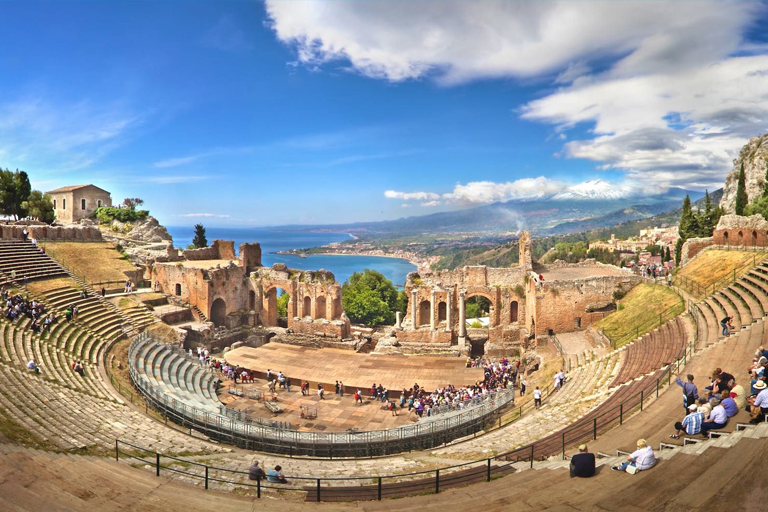
Significance: A beautifully preserved Greek theater with panoramic views of Mount Etna and the sea.
The Teatro Greco (Greek Theater) in Taormina is another remarkable symbol of Sicily’s Greek heritage. Originally built in the 3rd century BC, this theater was later expanded during Roman times, but its core remains distinctly Greek. Set on a hillside overlooking the sea, the theater offers stunning views of Mount Etna and the coastline, creating a dramatic backdrop for performances.
The Teatro Greco was not just a place for entertainment but also a symbol of Greek cultural and civic life. Today, it remains in use for concerts, operas, and festivals, blending ancient history with modern art. Visitors can sit in the same stone seats where Greeks and Romans once watched dramas, tragedies, and political speeches, making it a timeless experience.
3. Selinunte
Significance: One of the largest archaeological sites in Europe, home to sprawling Greek ruins.
Located on the southwestern coast of Sicily, Selinunte was once one of the most powerful cities in Magna Graecia. Founded in the 7th century BC, it became a major trading hub and cultural center. The city was later destroyed by the Carthaginians, leaving behind a vast collection of ruins that offer insight into ancient Greek urban planning, religion, and art.
Key Highlights of Selinunte:
Eastern Temples: This area includes the Temple of Hera, the largest temple in Selinunte, which was dedicated to the goddess and features massive columns and intricate carvings. Though partially in ruins, its scale and grandeur remain impressive.
Acropolis: The acropolis of Selinunte, perched on a hill, offers a panoramic view of the surrounding landscape and the Mediterranean Sea. Here, visitors can explore various sanctuaries, temples, and public buildings, all of which speak to the city’s importance during its peak.
Selinunte’s remote and serene location, coupled with its extensive ruins, make it one of the most evocative archaeological sites in Sicily, offering visitors a deep connection to the island’s Greek past.
4. Segesta
Significance: Home to one of the best-preserved Doric temples and an ancient Greek theater.
Segesta, located in western Sicily, was one of the main cities of the Elymians, a native people who eventually adopted Greek culture and architecture. Segesta’s rivalry with Selinunte and its alliances with both Greek and Carthaginian powers made it a key player in Sicilian history.
Key Sites in Segesta:
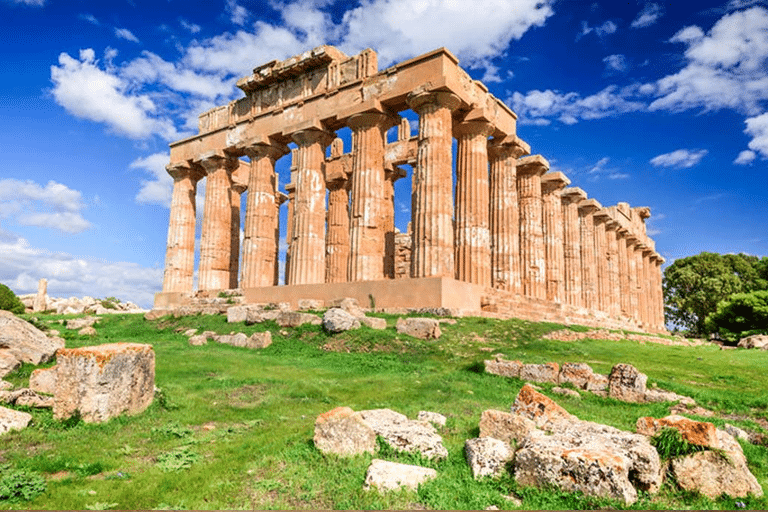
Temple of Segesta: This majestic Doric temple, built in the 5th century BC, is remarkable for its state of preservation. Unlike other temples, the Temple of Segesta was never completed, with its columns left unfluted and its inner sanctum unfinished. Nevertheless, it stands tall and proud, surrounded by rolling hills and offering breathtaking views of the countryside.
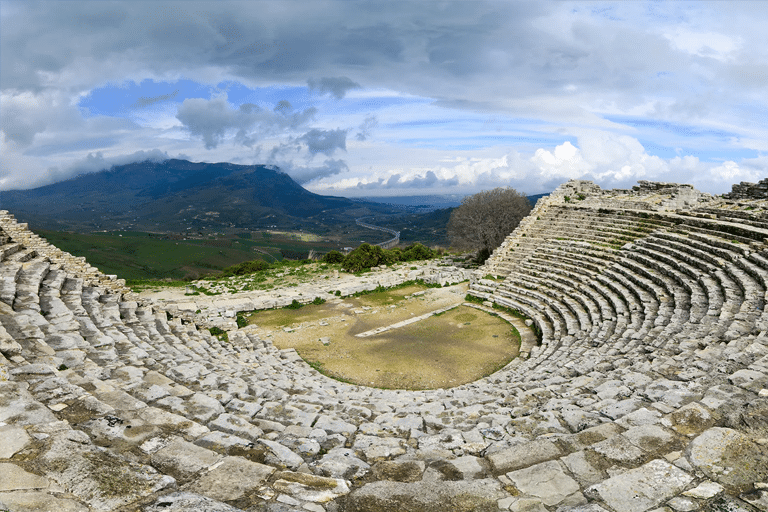
Greek Theater: Set high on Monte Barbaro, the Greek Theater of Segesta offers panoramic views of the surrounding valleys and mountains. Like the theater in Taormina, it is still used for performances, allowing visitors to experience ancient drama in an authentic setting.
Segesta’s isolated beauty and its perfectly preserved temple make it a must-visit for anyone interested in ancient Greek architecture and history.
5. Syracuse and the Island of Ortygia
Significance: A major center of Greek power and culture in the ancient world.
Syracuse, once described by Cicero as “the greatest Greek city and the most beautiful of them all,” was one of the most important cities of Magna Graecia. Founded in the 8th century BC, it grew to become a dominant force in the Mediterranean, rivaling even Athens in terms of wealth, culture, and military power.
Key Sites in Syracuse:
Neapolis Archaeological Park: This park contains several important Greek ruins, including the Teatro Greco (Greek Theater), one of the largest theaters in the ancient world. The theater was used for dramatic performances and public meetings and is still used today for the annual Syracuse Greek Theater Festival.