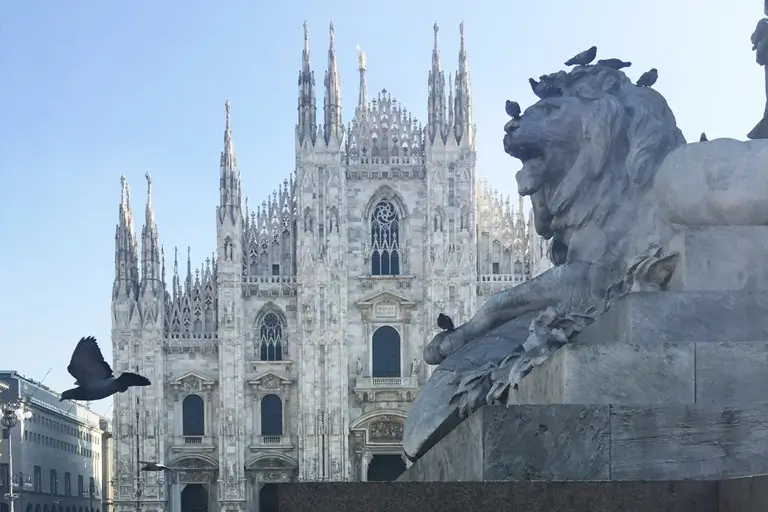
While Milan might be internationally renowned as a capital of fashion and finance, the city harbors an extraordinary artistic heritage that spans centuries of human creativity. From Leonardo da Vinci’s masterpieces to contemporary art spaces, Milan offers an unparalleled journey through the evolution of Western art. In this comprehensive guide, we’ll explore the city’s most significant artistic treasures and provide you with an insider’s perspective on experiencing Milan’s rich cultural landscape.
The Last Supper: Leonardo’s Masterpiece at Santa Maria delle Grazie
No artistic pilgrimage to Milan would be complete without visiting Leonardo da Vinci’s The Last Supper (Il Cenacolo). Housed in the refectory of the Dominican monastery of Santa Maria delle Grazie, this revolutionary masterpiece has survived centuries of history, including bombings during World War II, to continue captivating viewers today.
Historical Context and Significance
Commissioned by Leonardo’s patron Duke Ludovico Sforza in 1495, The Last Supper represents a pivotal moment in art history. Rather than following the traditional fresco technique, Leonardo experimented with a new method of painting on dry plaster, which allowed him to achieve unprecedented levels of detail and emotional expression. Though this experimental technique ultimately contributed to the painting’s deterioration, it enabled Leonardo to create one of the most psychologically complex and dramatically powerful works in the history of art.
Visiting Experience and Practical Information
Viewing The Last Supper requires advance planning, as visits are strictly regulated to preserve the delicate painting. Visitors are allowed in groups of 25 for exactly 15 minutes. Here’s what you need to know:
- Tickets should be booked months in advance through the official website or through licensed tour operators
- Photography is prohibited inside the refectory
- Visitors must pass through a series of dehumidification chambers before entering the main room
- The best times to visit are early morning or late afternoon when the natural light creates optimal viewing conditions
Artistic Analysis
The painting captures the dramatic moment when Jesus announces that one of his disciples will betray him. Leonardo’s genius is evident in how he depicts the psychological reactions of each apostle, their gestures and expressions revealing their individual personalities and relationships to Christ. The masterful use of perspective draws viewers into the scene, while the innovative grouping of figures in threes creates a dynamic rhythm across the composition.
Pinacoteca di Brera: Milan’s Premier Art Gallery
The Pinacoteca di Brera stands as one of Italy’s most important art galleries, housing an extraordinary collection of Italian paintings in a beautiful 17th-century palazzo. Originally established as part of Milan’s Academy of Fine Arts, the museum has evolved into a treasure house of masterpieces from the 13th to the 20th centuries.
Historical Development
The gallery’s collection began during the Napoleonic era when many works of art were brought to Milan from conquered territories and suppressed churches and monasteries. This historical circumstance resulted in an unprecedented gathering of masterpieces from various Italian schools of painting, making the Brera a unique survey of Italian art history.
Notable Works and Collections
The Pinacoteca’s collections include several unmissable masterpieces:
- Mantegna’s “Dead Christ” – A revolutionary perspective study that influenced generations of artists
- Raphael’s “Marriage of the Virgin” – An early masterpiece showing the artist’s developing style
- Caravaggio’s “Supper at Emmaus” – A dramatic example of the artist’s revolutionary naturalism
- Francesco Hayez’s “The Kiss” – An iconic Romantic painting symbolizing Italian unification
- Piero della Francesca’s “Madonna with Saints and Federico da Montefeltro” – A masterpiece of Renaissance perspective and portraiture
Visitor Experience
The Pinacoteca offers an exceptionally well-organized viewing experience, with rooms arranged chronologically and by regional schools. The recent renovation has created spacious galleries with excellent lighting and informative multilingual panels. The museum also houses a charming courtyard café and a well-stocked bookshop.
Museo del Novecento: Modern Art with a View
Housed in the Palazzo dell’Arengario overlooking the Duomo, the Museo del Novecento (Museum of the Twentieth Century) offers a comprehensive overview of Italian modern art, with particular emphasis on the various movements that developed in Milan during the 20th century.
Architecture and Design
The museum’s striking architectural renovation combines historical preservation with contemporary design. The spiral ramp that leads visitors through the collection provides constantly changing views of the Duomo, creating a dialogue between Milan’s historical and modern aspects.
Collection Highlights
The museum’s collection is particularly strong in:
- Italian Futurism, including works by Umberto Boccioni and Giacomo Balla
- Abstract art of the 1930s and 1940s
- Arte Povera movement of the 1960s and 1970s
- International artists including Kandinsky, Mondrian, and Picasso
Contemporary Programming
The Museo del Novecento maintains an active program of temporary exhibitions, educational activities, and contemporary art installations, making it a vital center for current artistic discourse in Milan.
Galleria d’Arte Moderna: 19th Century Treasures
Located in the elegant Villa Reale, the Galleria d’Arte Moderna (GAM) houses an impressive collection of 19th-century art in a suitably grand setting. The neoclassical villa, once home to Napoleon Bonaparte, provides an authentic period atmosphere for viewing works from the Romantic and Neoclassical periods.
Historical Setting
The villa itself is a masterpiece of neoclassical architecture, with perfectly preserved period rooms that provide context for the artwork. The surrounding English-style gardens offer a peaceful retreat from the city’s bustling streets.
Collection Overview
The collection focuses on:
- Italian Romantic painting and sculpture
- Neoclassical works
- Divisionist paintings
- Early modernist experiments
Special Features
The museum’s period rooms, complete with original furnishings and decorative arts, provide valuable context for understanding the social and cultural environment in which many of the works were created.
Contemporary Art Spaces
Milan’s contemporary art scene is vibrant and constantly evolving, with several significant venues worth exploring.
Hangar Bicocca
This converted industrial space in the city’s northern outskirts hosts ambitious installations by contemporary artists. The permanent installation of Anselm Kiefer’s “The Seven Heavenly Palaces” is particularly impressive.
Fondazione Prada
Designed by Rem Koolhaas, this complex combines preserved industrial architecture with contemporary additions to create a unique setting for modern and contemporary art. The foundation’s programming is consistently innovative and thought-provoking.
PAC (Padiglione d’Arte Contemporanea)
This dedicated contemporary art space hosts rotating exhibitions of international artists and emerging talents, maintaining Milan’s connection to current artistic developments.
Hidden Gems and Lesser-Known Collections
Museo Poldi Pezzoli
This house museum offers an intimate look at a 19th-century collector’s tastes, with exceptional examples of decorative arts alongside paintings by artists such as Botticelli and Pollaiuolo.
Casa Museo Boschi Di Stefano
Another fascinating house museum, showcasing an important collection of 20th-century Italian art in a perfectly preserved 1930s apartment.
Biblioteca Ambrosiana
Though primarily known as a library, this institution houses important artworks, including Raphael’s cartoon for the School of Athens and Leonardo da Vinci’s Codex Atlanticus.
Planning Your Art Experience in Milan
Best Times to Visit
Milan’s museums are generally less crowded during weekday mornings and late afternoons. Many venues offer extended hours on certain days of the week, and some participate in periodic evening openings with special programming.
Transportation and Access
Most of Milan’s major museums are easily accessible by public transportation. The efficient metro system connects major venues, while historic sites in the city center are within walking distance of each other.
Combination Tickets and Passes
Several museum passes and combination tickets are available:
- Milano Card includes public transportation and museum discounts
- Pinacoteca di Brera and Castello Sforzesco combination ticket
- Special passes during major art events like Milan Art Week
Conservation and Restoration
Milan takes pride in its role as a center for art conservation and restoration. Many museums offer behind-the-scenes looks at conservation projects, and some, like the Last Supper, provide detailed information about ongoing preservation efforts.
The Science of Art Preservation
Recent technological advances have revolutionized art conservation in Milan. The city’s museums employ cutting-edge techniques such as:
- Digital imaging and analysis
- Climate control systems
- Non-invasive cleaning methods
- Preventive conservation strategies
Cultural Context and Contemporary Relevance
Milan’s Artistic Legacy
Milan’s art collections reflect the city’s historical role as a center of power, wealth, and cultural innovation. The preservation and presentation of these artistic treasures continue to influence contemporary cultural production and urban identity.
Educational Initiatives
Milan’s museums actively engage with schools and universities, offering specialized programs that connect historical art with contemporary issues and creative practices.
Conclusion: Art as a Living Heritage
Milan’s art museums and experiences offer more than just a journey through art history; they provide insights into the continuing evolution of human creativity and expression. From Leonardo’s revolutionary experiments to contemporary installations, the city maintains its position as a vital center for artistic innovation and preservation.
Whether you’re a serious art enthusiast or a curious traveler, Milan’s art collections offer something for everyone. The city’s commitment to preserving and presenting its artistic heritage, while fostering contemporary creativity, makes it an essential destination for anyone interested in the power and possibility of visual art.
Remember to plan ahead, especially for high-demand sites like The Last Supper, and take advantage of the many resources available to help you make the most of your artistic exploration of Milan. The city’s museums are not just repositories of great art; they are living institutions that continue to inspire and educate, connecting us to both our shared past and our creative future.
Practical Tips for Art Lovers
Photography Policies
Most museums allow photography without flash, but policies vary. Always check specific rules before visiting. Some venues offer special photography passes for a fee.
Guided Tours
Many museums offer excellent guided tours in multiple languages. These can provide valuable context and access to areas not open to general visitors.
Best Seasons
Spring and fall offer ideal conditions for art viewing, with moderate temperatures and special cultural events. Summer can be crowded but brings extended opening hours and special programming.
Local Art Events
Time your visit to coincide with major art events:
- Milan Art Week (April)
- MiArt International Modern and Contemporary Art Fair
- Museum Nights (periodic evening openings with special programs)
- Design Week (for those interested in the intersection of art and design)
Through thoughtful planning and an open mind, visitors can discover the extraordinary depth and breadth of Milan’s artistic heritage, creating memorable experiences that go far beyond the expected tourist attractions.