ZRG Strikes Gold
•
Telenor Microfinance Bank awards ZRG OneView Contact Center System
•
ZRG Receives 5th Consecutive Achievement Gold Award from FPCCI
•
Al Baraka Bank Chooses ZRG OneView CMS Software
•
PSO Awards Contact Center Tender To ZRG
•
ZRG Strikes Gold
•
Telenor Microfinance Bank awards ZRG OneView Contact Center System
•
ZRG Receives 5th Consecutive Achievement Gold Award from FPCCI
•
Al Baraka Bank Chooses ZRG OneView CMS Software
•
PSO Awards Contact Center Tender To ZRG
•
ZRG Strikes Gold
•
Telenor Microfinance Bank awards ZRG OneView Contact Center System
•
ZRG Receives 5th Consecutive Achievement Gold Award from FPCCI
•
Al Baraka Bank Chooses ZRG OneView CMS Software
•
PSO Awards Contact Center Tender To ZRG
•
ZRG Strikes Gold
•
Telenor Microfinance Bank awards ZRG OneView Contact Center System
•
ZRG Receives 5th Consecutive Achievement Gold Award from FPCCI
•
Al Baraka Bank Chooses ZRG OneView CMS Software
•
PSO Awards Contact Center Tender To ZRG
•
Le Marche, Abruzzo, and Molise: Italy’s Hidden Adriatic Coast
There is another Italy.
An Italy beyond the crowded piazzas of Rome and beyond the glamorous beaches that dominate social media feeds. Along the Adriatic coast, fishermen still lower nets from centuries old wooden platforms suspended above the sea. Families return to the same beach clubs generation after generation. Medieval villages cling to hilltops overlooking turquoise waters. Mountains rise unexpectedly close to the coast, creating landscapes of extraordinary diversity.
In this episode of Immersion Travel Italy, we journey through Le Marche, Abruzzo, and Molise, uncovering some of Italy’s best kept summer secrets.
Le Marche: The Adriatic’s Best Kept Secret
Le Marche remains one of Italy’s most underrated regions. Here, dramatic limestone cliffs meet crystal clear waters, while fishing villages preserve traditions that have endured for centuries.
Portonovo and Monte Conero
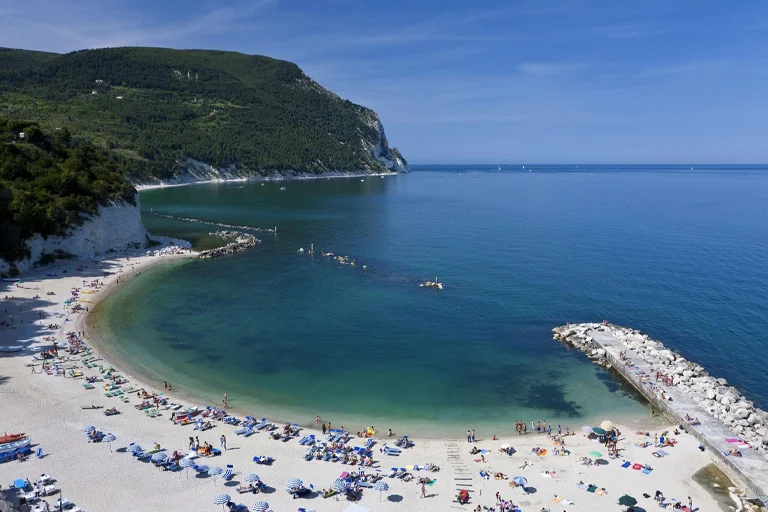
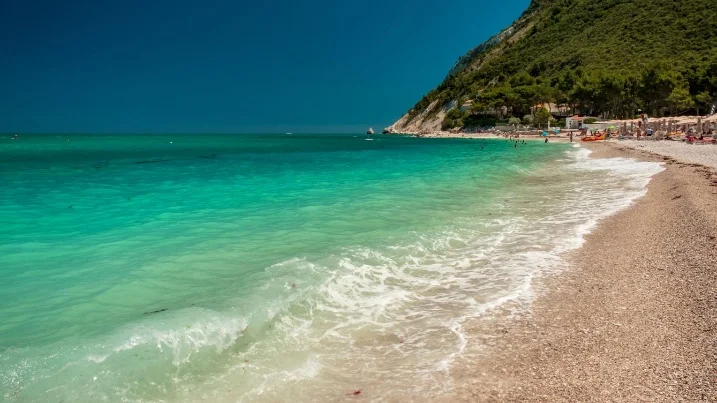
Nestled beneath Monte Conero, Portonovo offers one of the Adriatic’s most breathtaking landscapes. White cliffs plunge into emerald waters, while Mediterranean vegetation blankets the surrounding hillsides.
Visitors can relax on the pebble beaches below or venture to nearby Mezzavalle Beach, one of Le Marche’s wildest coastal escapes. Reaching Mezzavalle requires a twenty to thirty minute downhill hike, but the reward is an uncrowded beach framed by dramatic cliffs and remarkably clear water.
Sirolo: The Pearl of the Conero Riviera
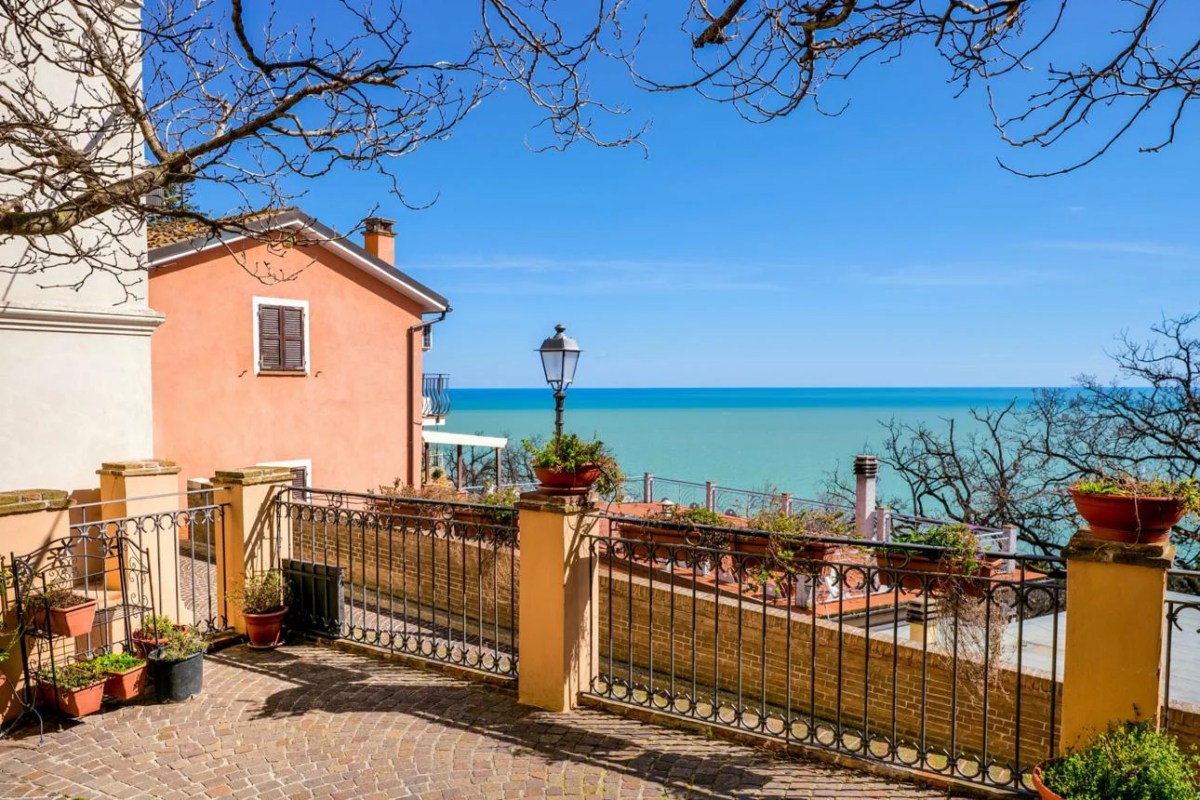
Perched high above the Adriatic, Sirolo offers panoramic terraces overlooking some of Italy’s most beautiful coastline.
Below the village lie the beaches that have made the Conero Riviera famous.
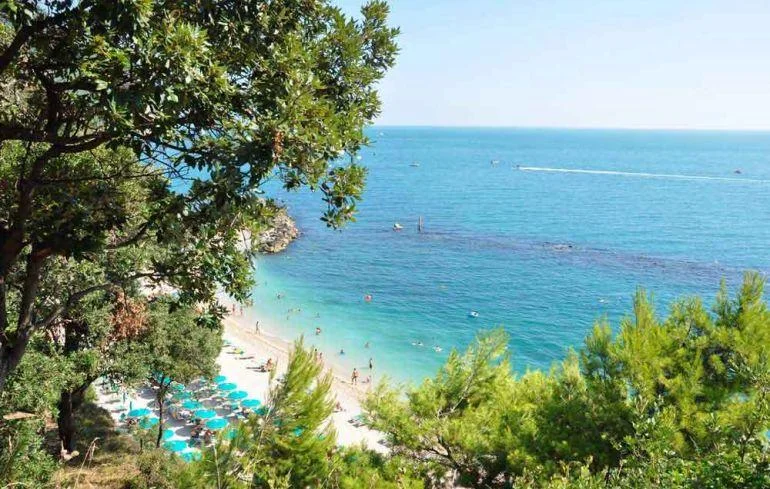
Spiaggia Urbani is easily accessible and ideal for families, while Spiaggia San Michele rewards visitors with crystal clear waters beneath towering cliffs. Nearby Spiaggia dei Sassi Neri attracts snorkelers seeking a more natural setting.
Numana: Adriatic Elegance
Once a fishing village, Numana today balances local character with seaside relaxation.
Spend the morning exploring Numana Alta, then descend toward the beaches below. Families appreciate the convenience of Numana Bassa, while quieter corners such as Spiaggia dei Frati offer a more secluded atmosphere.
Senigallia: The Velvet Beach
Senigallia’s Spiaggia di Velluto, or Velvet Beach, stretches for approximately thirteen kilometers along the Adriatic coast.
Its soft golden sands and shallow waters have welcomed generations of Italian families. During late July and early August, the city comes alive during the Summer Jamboree, one of Europe’s largest celebrations of 1940s and 1950s culture.
Le Marche Beyond the Sea
One of Le Marche’s greatest surprises lies inland.
Lago di Fiastra
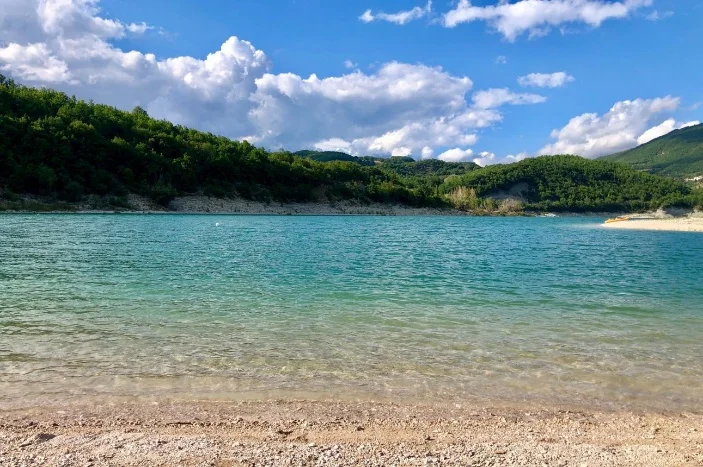
Hidden within the Sibillini Mountains, Lago di Fiastra offers cooler temperatures and mountain scenery far removed from the Adriatic coast.
Families enjoy swimming and kayaking, while hikers explore nearby trails through the national park.
Marmitte dei Giganti
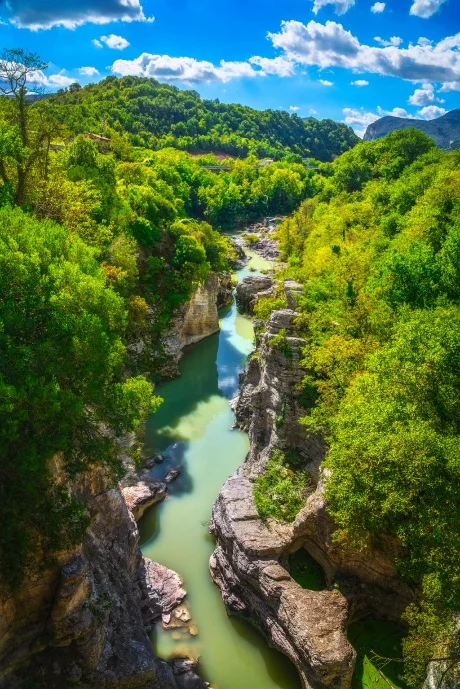
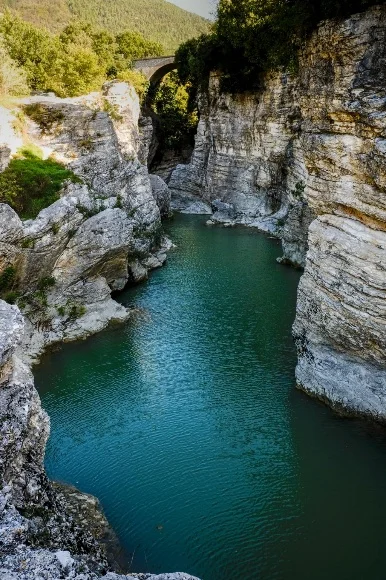
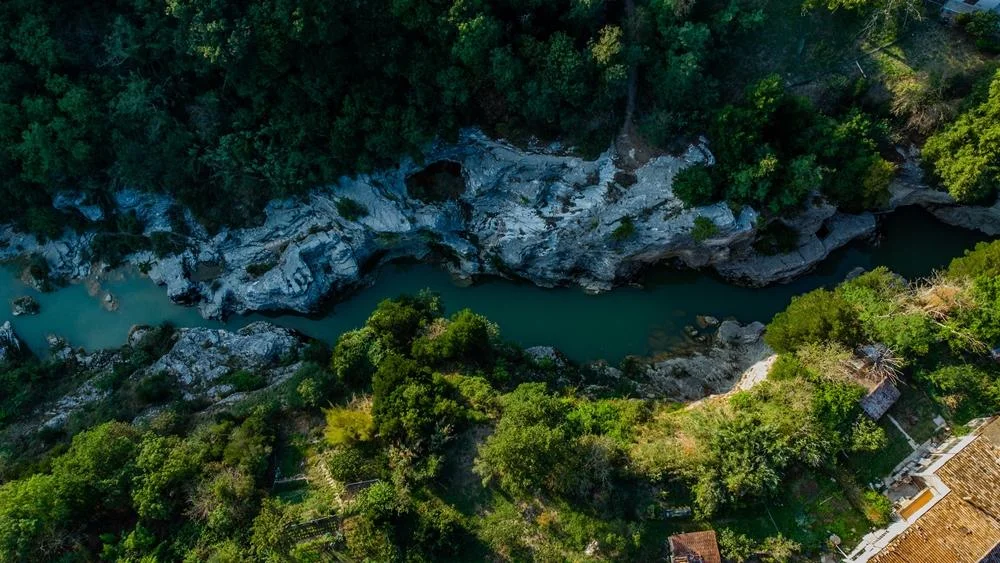
Near Fossombrone, the Metauro River has carved remarkable circular pools into the limestone over thousands of years.
The result is one of Le Marche’s most fascinating hidden landscapes.
Cascatelle di Sarnano
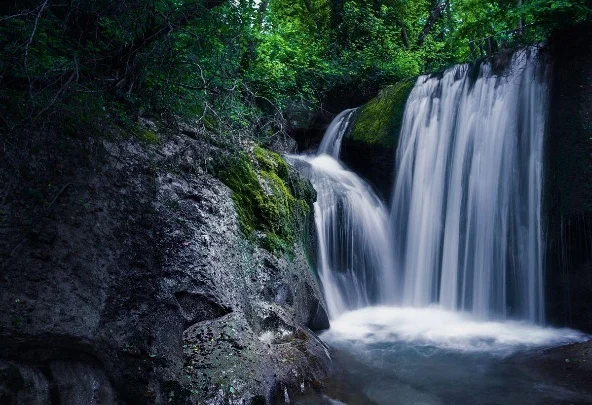
Near the medieval town of Sarnano, small waterfalls cascade through the forest, creating one of Le Marche’s most refreshing summer escapes.
The short walks required to reach the falls make this destination especially appealing to families.
The Flavors of Le Marche
Food tells the story of this region just as powerfully as its landscapes.
Don’t miss:
Brodetto di pesce, the Adriatic fish stew.
Olive all’Ascolana, fried olives stuffed with seasoned meat.
Moscioli selvatici, Monte Conero’s celebrated wild mussels.
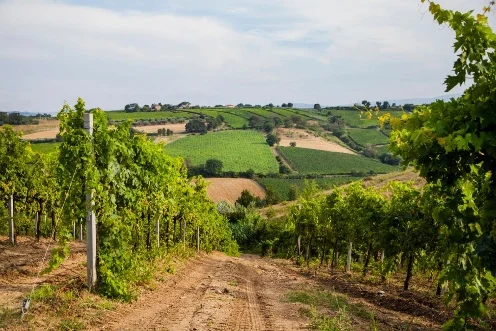
Verdicchio, Le Marche’s signature white wine.
Le Marche reminds us that Italy’s greatest treasures are not always its most famous.
Sometimes they are found beneath Monte Conero’s cliffs, beside hidden waterfalls in the Sibillini Mountains, or at a family run seafood restaurant overlooking the Adriatic Sea.
Abruzzo: Italy’s Wild Heart by the Sea
If Le Marche introduced us to the quieter elegance of the Adriatic, Abruzzo reveals something altogether different.
This is a land Italians often describe with two simple words:
Forte e gentile.
Strong and gentle.
Strong in its rugged mountains, resilient traditions, and dramatic landscapes.
Gentle in its hospitality, slower pace of life, and deep connection to community.
Abruzzo is one of Italy’s greenest regions, with nearly one third of its territory protected through national parks and nature reserves. Here, you can spend the morning swimming in the Adriatic and the afternoon standing beneath castle ruins high above alpine meadows.
It is a region of fishermen and shepherds.
Of medieval villages and seaside promenades.
Of long summer lunches that effortlessly become late evening conversations.
And nowhere is this balance more evident than along Abruzzo’s extraordinary coastline.
The Costa dei Trabocchi: Abruzzo’s Adriatic Masterpiece
The Costa dei Trabocchi stretches south from Ortona, offering one of Italy’s most remarkable coastal experiences.
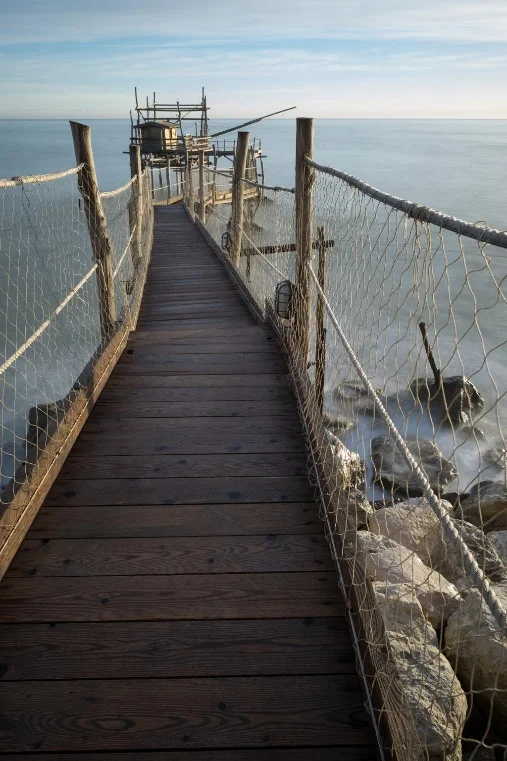
The region takes its name from the trabocchi, centuries old wooden fishing platforms that extend into the Adriatic on stilts.
Once essential tools of local fishermen, many have now been transformed into extraordinary seafood restaurants suspended above the sea.
Dining on a trabocco at sunset remains one of the most unforgettable experiences in central Italy.
The best way to experience the Costa dei Trabocchi is slowly.
The Via Verde, a cycling and walking path built along a former railway line, now connects much of the coastline.
Travelers can stop at hidden beaches, pause for lunch overlooking the Adriatic, and admire the ingenious structures that have defined this coast for generations.
San Vito Chietino: The Soul of Abruzzo’s Coast
If I had to recommend just one destination that embodies an Abruzzese summer, it would be San Vito Chietino.
Perched above the sea, the village overlooks a coastline punctuated by trabocchi and secluded coves.
This is where Abruzzo’s maritime traditions remain wonderfully visible.
One of the area’s most iconic locations is Calata Turchino, immortalized by poet Gabriele D’Annunzio.
Nearby beaches offer a quieter alternative to Italy’s more famous resorts.
The pace here feels different.
More intentional.
More connected to the rhythms of daily life.
As evening arrives, seafood restaurants fill with conversation while the setting sun casts golden reflections across the trabocchi.
Punta Aderci: Abruzzo Untamed
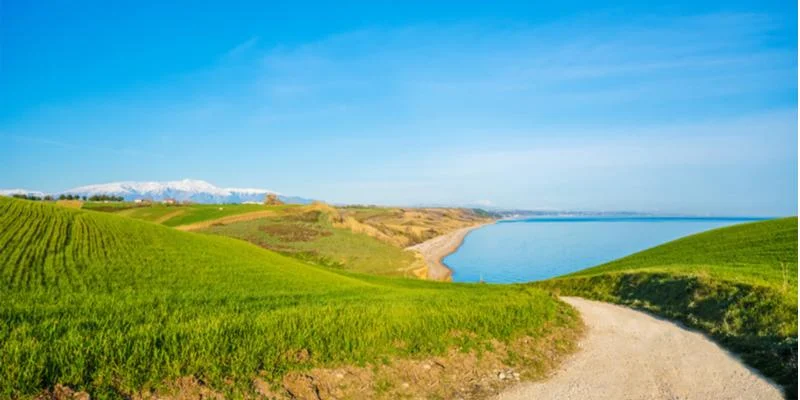
For travelers who prefer wild landscapes over beach clubs, Punta Aderci Nature Reserve provides one of Italy’s most beautiful coastal experiences.
Rolling farmland gives way to dramatic cliffs.
Untouched beaches stretch beneath wide open skies.
The Adriatic feels vast and unspoiled.
Unlike more developed beach destinations, Punta Aderci asks visitors to participate in the experience.
Parking areas sit inland.
Moderate walks are often required.
Facilities remain limited.
Bring water, sun protection, and a spirit of adventure.
The reward is extraordinary.
Punta Penna Beach offers sweeping stretches of sand and crystal clear waters.
Nearby Libertini Beach provides an even quieter setting framed by pebble shores and rugged scenery.
This is Abruzzo at its wildest and most authentic.
Vasto Marina: The Adriatic at Its Most Relaxed
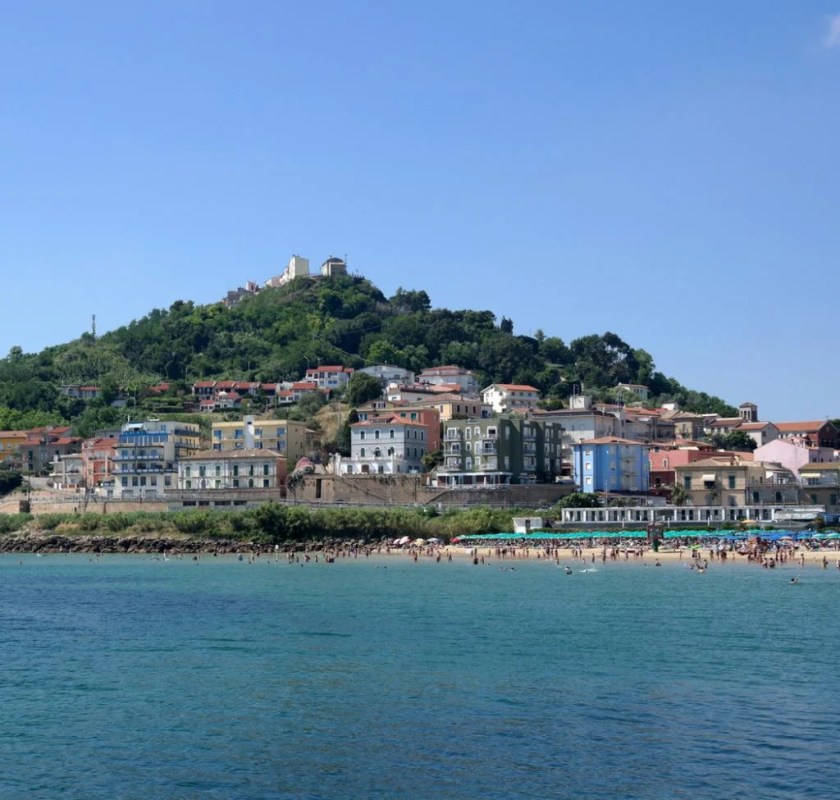
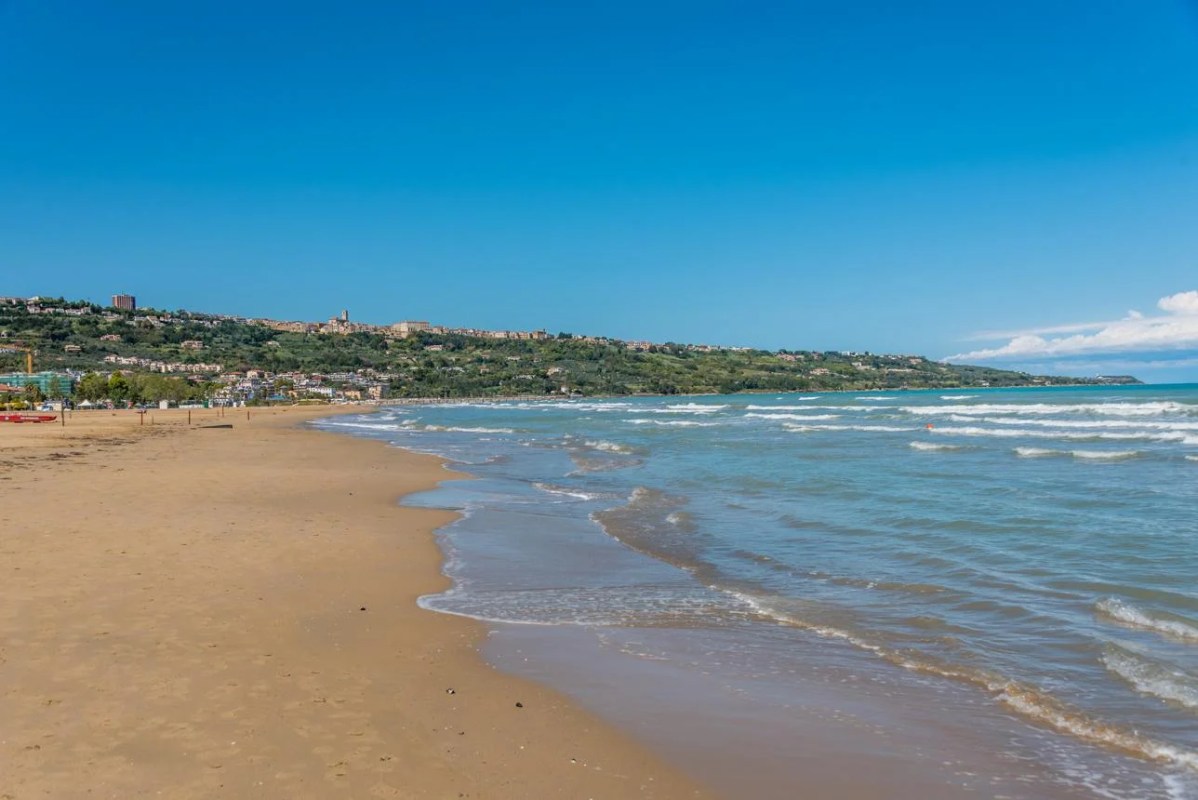
Further south, Vasto Marina reveals another side of Abruzzo’s coastline.
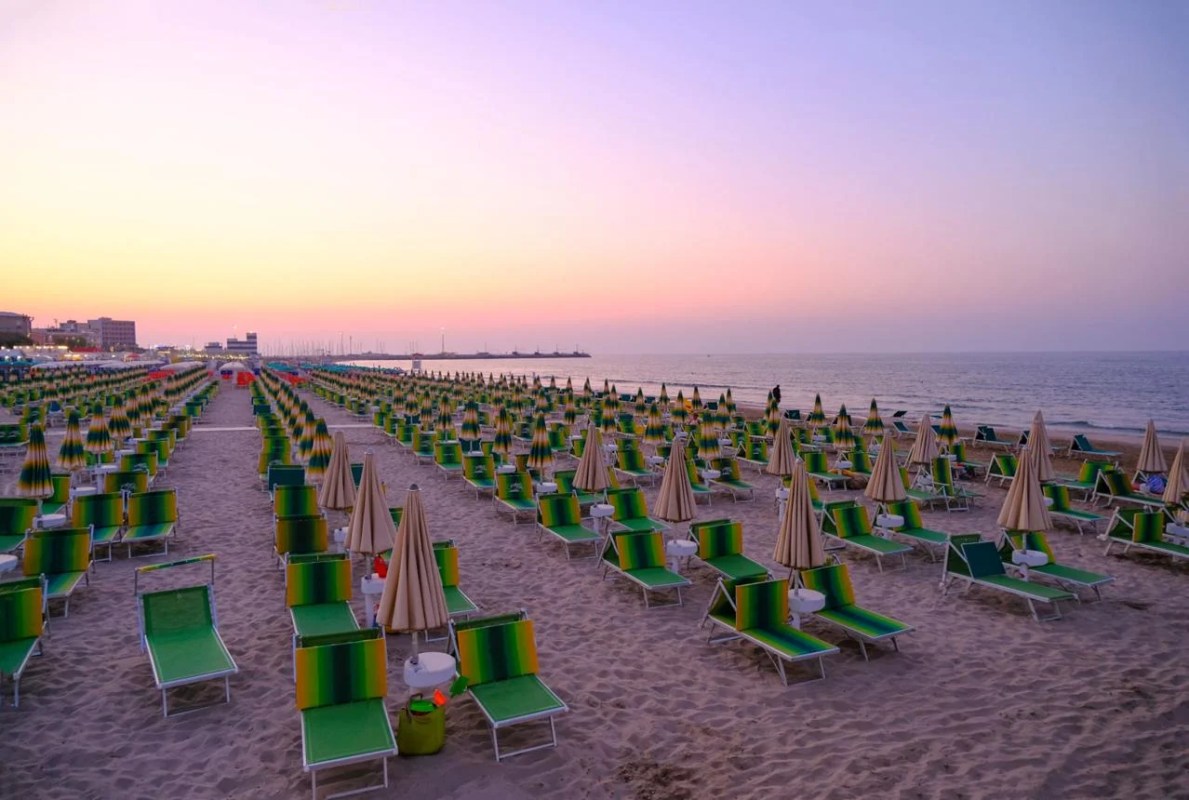
Here, broad sandy beaches stretch for miles beneath a relaxed atmosphere ideal for families.
Visitors will find:
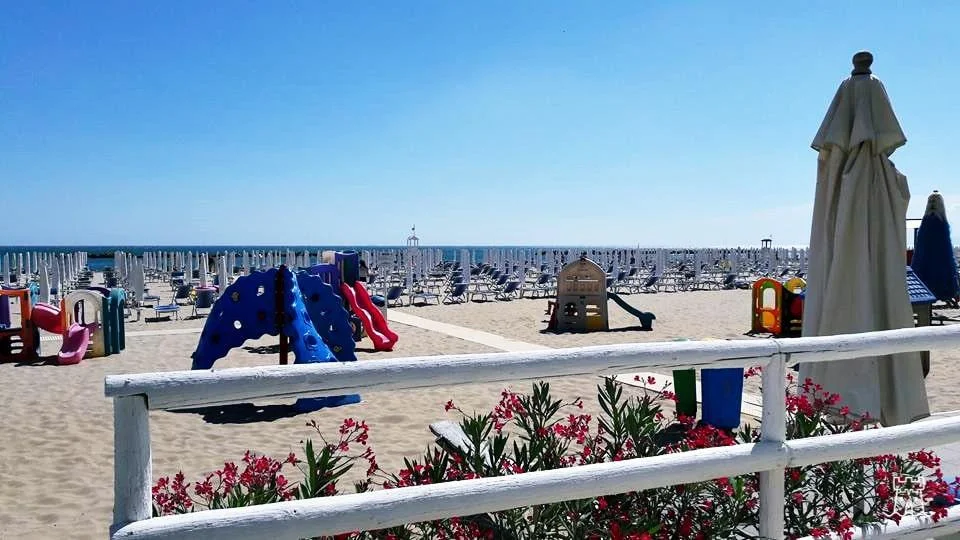
Stabilimenti balneari with umbrellas and loungers
Public beach sections
Palm lined promenades
Calm swimming conditions
After a day by the sea, head uphill to Vasto’s historic center, where panoramic viewpoints overlook the Adriatic below.
As the sun begins to set, the entire coastline glows beneath warm summer light.
Lago di Scanno: Abruzzo’s Hidden Jewel
Leave the Adriatic behind and Abruzzo transforms once again.
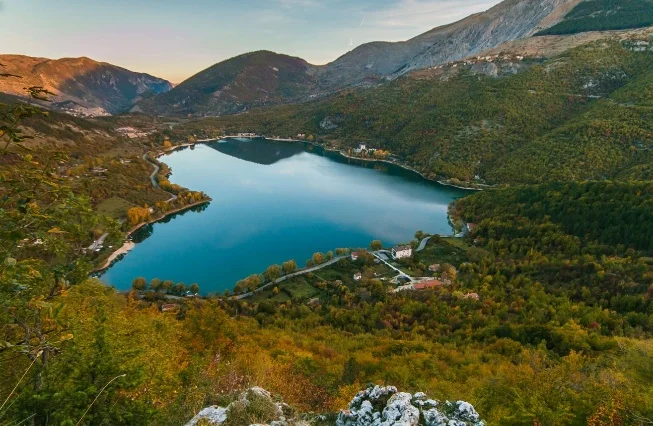
Nestled among mountain peaks lies Lago di Scanno, one of Italy’s most photogenic lakes.
From above, the lake famously resembles a heart.
Below, visitors discover swimming areas, paddle boats, lakeside cafés, and some of the most peaceful scenery in central Italy.
The nearby village of Scanno, with its stone houses and narrow streets, feels almost suspended in time.
For photographers, hikers, and romantics alike, Lago di Scanno remains one of Abruzzo’s greatest treasures.
Rocca Calascio and Campo Imperatore
Not every summer destination needs a beach.
Sometimes the greatest luxury is cooler mountain air.
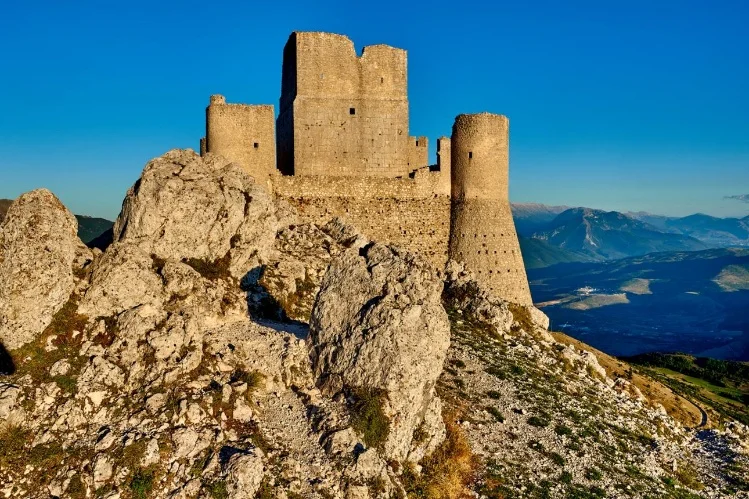
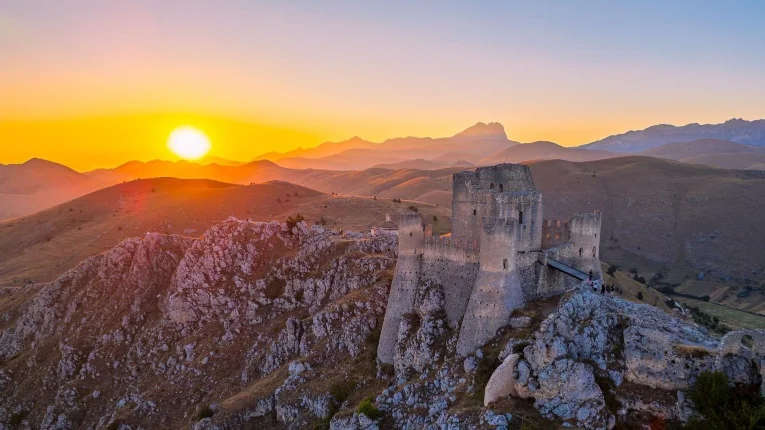
High above Abruzzo’s valleys stands Rocca Calascio, one of Italy’s most iconic castles.
6
The uphill walk requires approximately twenty to thirty minutes.
The reward is one of Italy’s most extraordinary panoramas.
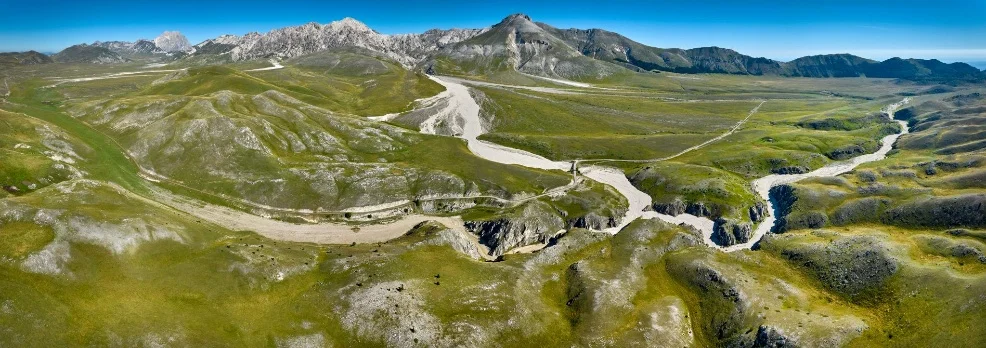
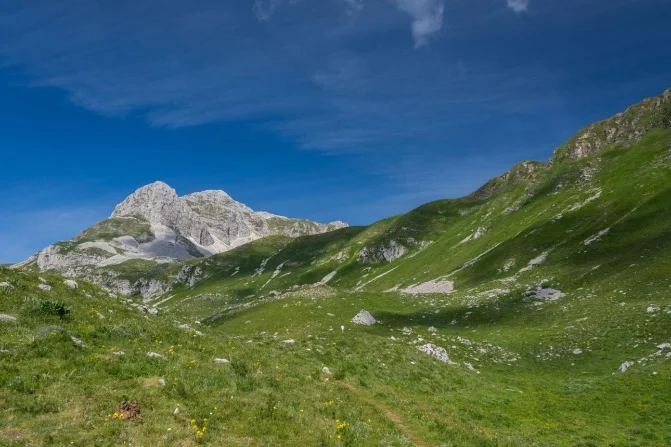
Nearby Campo Imperatore, often called Italy’s Little Tibet, unfolds across vast high altitude plains surrounded by the peaks of the Gran Sasso.
Summer here means:
Wildflower meadows
Grazing sheep
Cooler temperatures
Endless horizons
It is difficult to imagine that the Adriatic lies only a relatively short drive away.
The Flavors of Abruzzo
If there is one dish that defines Abruzzo, it is undoubtedly arrosticini.
These simple lamb skewers, grilled over long charcoal braziers, have become symbols of regional identity.
No visit to Abruzzo is complete without sampling:
Arrosticini
Maccheroni alla chitarra
Brodetto Abruzzese
Montepulciano d’Abruzzo wine
Parrozzo, the region’s beloved almond and chocolate dessert
Confetti di Sulmona
Like the region itself, Abruzzese cuisine balances mountain traditions with maritime influences.
It is rustic yet refined.
Simple yet unforgettable.
Summer Festivals in Abruzzo
One of the greatest joys of traveling through Abruzzo is discovering celebrations that remain deeply rooted in community life.
Perhaps none is more important than the Perdonanza Celestiniana in L’Aquila.
Recognized by UNESCO, the festival combines historical processions, concerts, religious ceremonies, and civic pride.
Meanwhile, Sulmona’s Giostra Cavalleresca transforms the town into a Renaissance spectacle filled with costumed participants and thrilling equestrian competitions.
Throughout summer, coastal communities celebrate seafood traditions with local sagre, while mountain villages gather around long communal tables to honor the humble arrosticino.
These festivals are not performances staged for tourists.
They are living traditions.
And visitors fortunate enough to witness them become participants in something far more meaningful than entertainment.
Abruzzo reminds us that Italy’s most memorable experiences often arise from contrast.
The mountains and the sea.
Molise: Italy’s Most Overlooked Summer Escape
As we continue south along the Adriatic coast, we arrive in a region that many travelers have never considered.
In fact, Italians often joke by saying:
“Molise non esiste.”
Molise doesn’t exist.
The phrase has become something of an internet meme, reflecting how little many people know about this small region tucked between Abruzzo, Puglia, Lazio, and Campania.
But Molise absolutely exists.
And for travelers seeking authenticity, tranquility, and places largely untouched by mass tourism, that may be one of its greatest strengths.
Created as an independent region only in 1963, when it separated administratively from Abruzzo, Molise remains one of Italy’s smallest regions. Yet within this compact territory lies an extraordinary variety of experiences.
Long stretches of sandy coastline.
Colorful fishing communities.
Roman archaeological sites.
Mountain villages where pastoral traditions continue to shape everyday life.
And throughout it all, a sense that summer here unfolds at a gentler pace.
Molise does not try to impress.
It simply remains itself.
And perhaps that is exactly why it stays with you long after you’ve returned home.
Termoli: Molise’s Adriatic Jewel
If there is one destination that captures the spirit of a Molisan summer, it is Termoli.
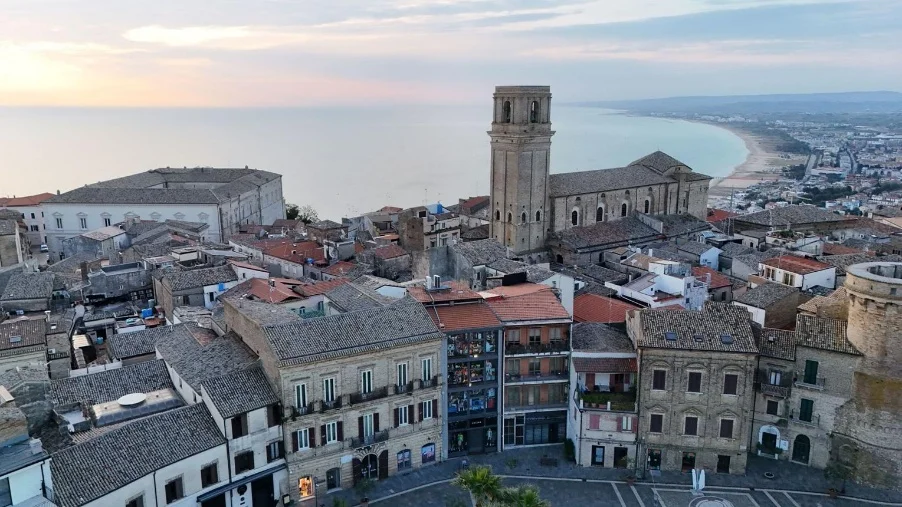
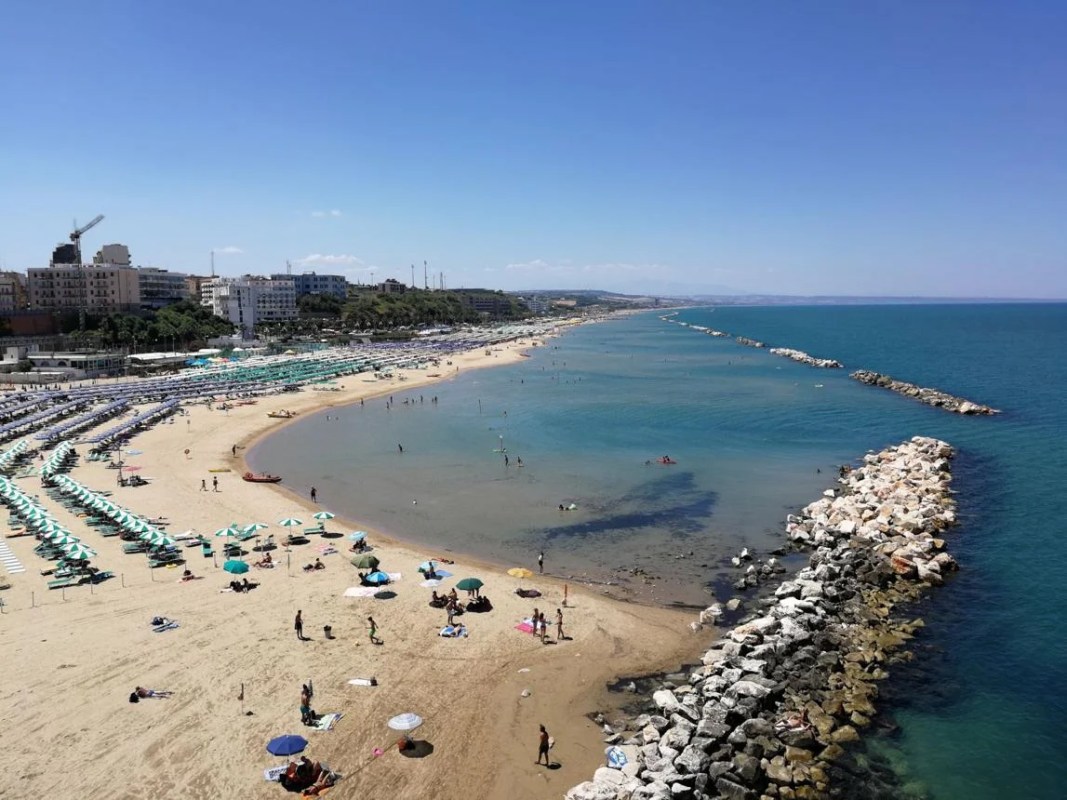
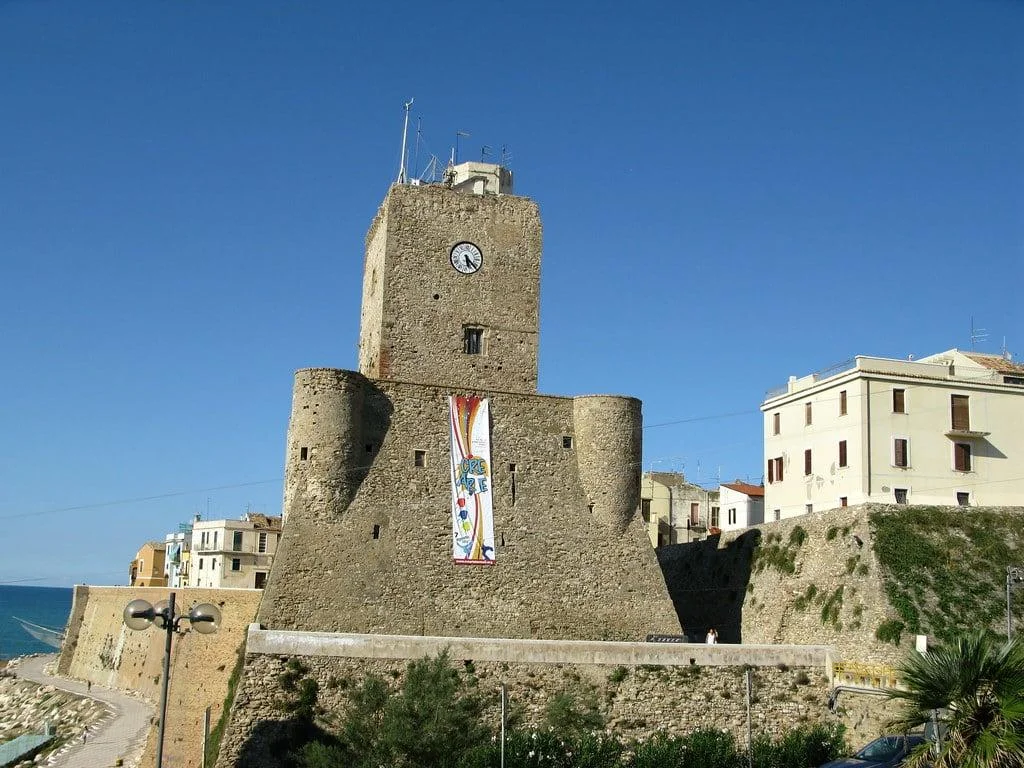
Rising dramatically above the Adriatic, the town’s medieval center sits atop a promontory protected by ancient walls, while broad sandy beaches stretch below.
Termoli offers the perfect balance between beach relaxation and cultural exploration.
Spend the morning wandering narrow lanes lined with flower filled balconies.
Pause to admire the imposing Castello Svevo, which has guarded the harbor since the Norman era.
Then descend toward Sant’Antonio Beach, where golden sands and calm waters invite visitors to slow down and embrace the rhythms of summer.
As evening approaches, the passeggiata begins.
Families stroll through the old town.
Children play beneath the castle walls.
Fishing boats return with the day’s catch.
And restaurants fill with laughter and the scent of seafood drifting through the warm evening air.
Rio Vivo: The Local Favorite
Just south of Termoli lies Rio Vivo, one of Molise’s most beloved summer retreats.
Unlike some of Italy’s more polished resort destinations, Rio Vivo retains a distinctly local atmosphere.
Visitors will find both stabilimenti balneari and public beach sections, allowing travelers to tailor their experience to their preferences.
The waters remain calm.
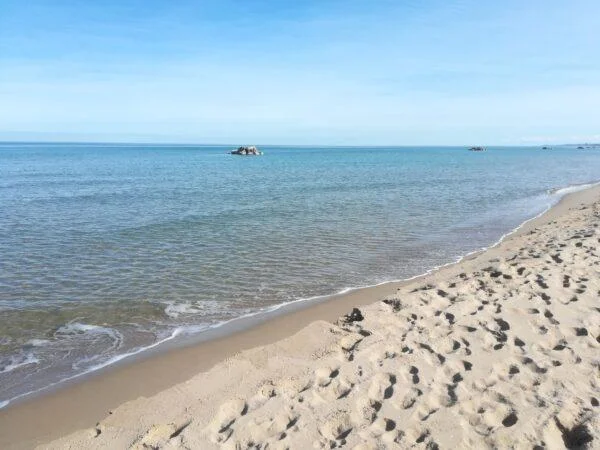
The beaches are spacious.
And even during the height of summer, the atmosphere feels refreshingly unpretentious.
Many Molise residents spend their holidays here.
That alone speaks volumes.
Campomarino Lido: Classic Italian Summer
For travelers seeking the traditional Italian beach experience, Campomarino Lido delivers beautifully.
Long stretches of soft sand line the Adriatic, while beach clubs provide every convenience visitors might need.
Families particularly appreciate:
Shallow swimming areas
Umbrella rentals
Beachside cafés
Children’s play areas
Evening promenades
Campomarino also preserves aspects of Arbëreshë culture, introduced centuries ago by Albanian communities fleeing Ottoman expansion.
This multicultural heritage adds yet another layer to the visitor experience.
Petacciato Marina: Nature Takes Center Stage
If your ideal beach vacation involves fewer crowds and more natural beauty, Petacciato Marina deserves a place on your itinerary.
Protected dunes and stretches of native vegetation frame wide expanses of golden sand.
Development remains limited.
Even during August, sections of the coastline retain an almost untouched character.
Here, nature rather than infrastructure defines the experience.
The result is one of the Adriatic’s most peaceful seaside settings.
Lago di Castel San Vincenzo: Molise’s Hidden Treasure
Leave the coast behind and Molise reveals another of its secrets.
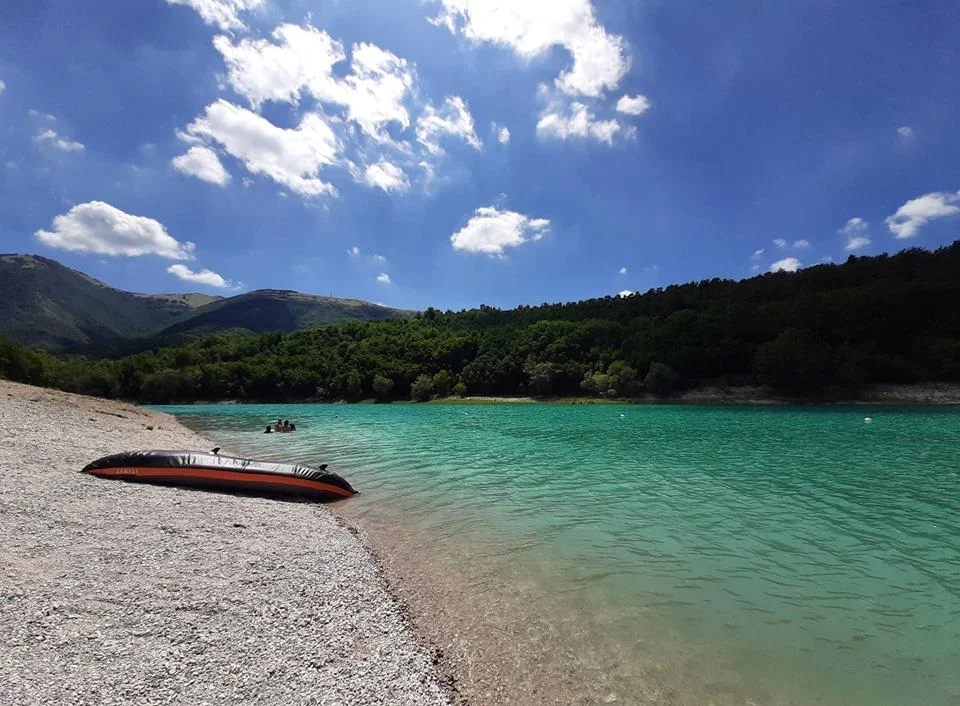
Beneath the peaks of the Mainarde Mountains lies Lago di Castel San Vincenzo, one of southern Italy’s most underrated lakes.
Turquoise waters mirror the surrounding mountains.
Visitors swim from designated areas, launch kayaks into the calm lake, or simply spread a blanket beneath the trees for an afternoon picnic.
Unlike Italy’s better known lakes, Castel San Vincenzo rarely feels crowded.
Even during summer, moments of extraordinary tranquility remain easy to find.
Capracotta: Summer in the Mountains
At approximately 1,400 meters above sea level, Capracotta offers a welcome escape from the Adriatic heat.
While often associated with winter sports, the town transforms during summer into a haven for hikers and nature lovers.
Walking trails wind through alpine meadows.
Wildflowers blanket the landscape.
And cooler temperatures create the perfect environment for exploration.
Capracotta reminds us that Italian summers are not solely defined by beaches.
Sometimes, they are found high in the mountains, where life unfolds at an entirely different rhythm.
Sepino: Walking Through Ancient History
One of Molise’s most remarkable surprises lies inland at Sepino.
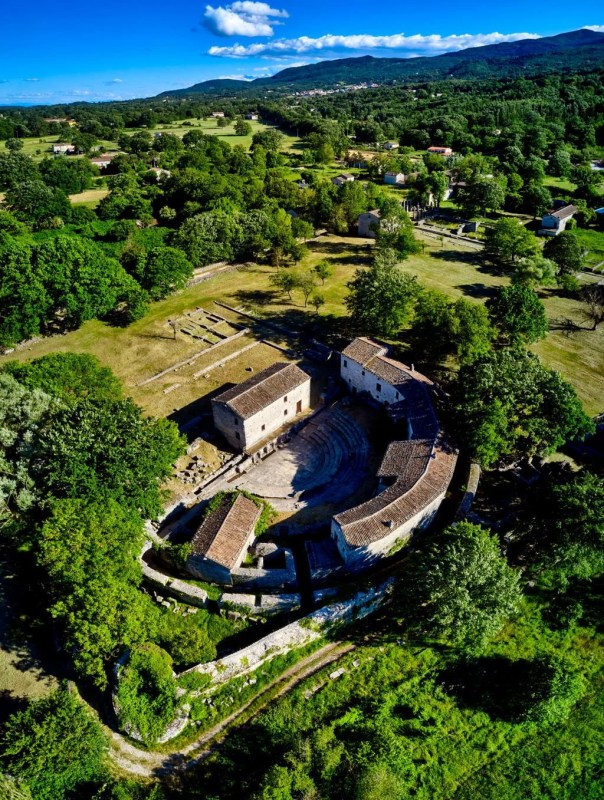
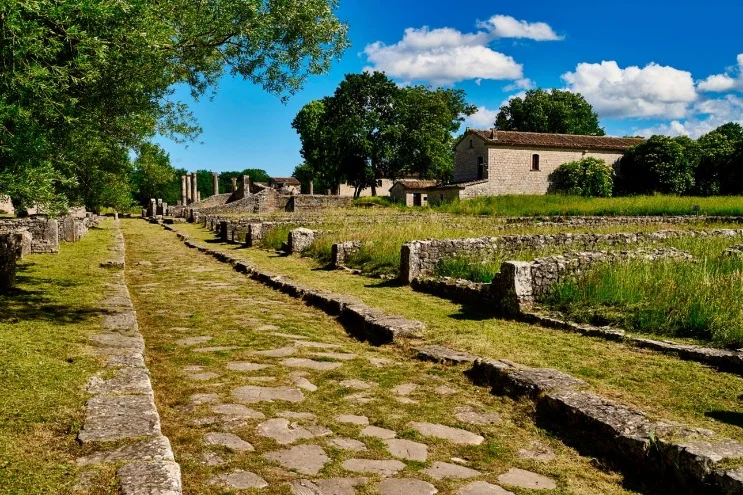
Here, visitors can wander among the remarkably preserved ruins of the Roman city of Altilia.
Stone streets.
Ancient gates.
The remains of shops and public buildings.
All surrounded by mountain scenery that feels timeless.
Unlike many of Italy’s better known archaeological sites, Sepino remains wonderfully uncrowded.
It is one of those places where discovery still feels possible.
The Flavors of Molise
Molise’s cuisine reflects its agricultural roots and Adriatic influences.
Meals here celebrate simplicity and exceptional ingredients.
Seek out:
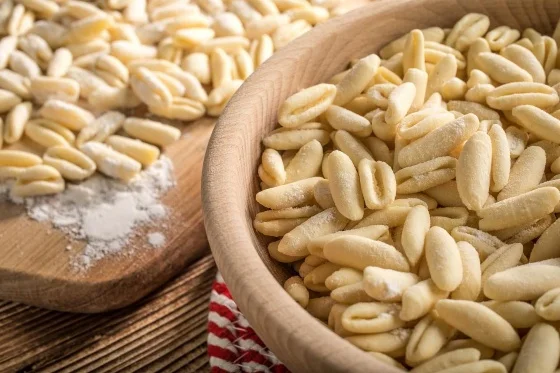
Cavatelli, handmade pasta often served with rich ragù
Pampanella, Molise’s famous seasoned pork specialty
Caciocavallo, one of southern Italy’s great cheeses
Fresh Adriatic seafood
Local olive oils
Traditional pastries enjoyed after dinner
Meals tend to unfold slowly.
Conversation matters.
Hospitality feels genuine.
Visitors are not merely customers.
They become welcomed guests.
Summer Festivals in Molise
Like its neighboring regions, Molise celebrates summer through festivals deeply connected to community life.
Patron saint celebrations fill village piazzas.
Food sagre bring neighbors together around long communal tables.
Ferragosto transforms coastal towns into vibrant centers of music, fireworks, and family gatherings.
These events exist first and foremost for local communities.
Visitors are welcomed not as spectators, but as participants.
And perhaps that is what makes them so memorable.
Molise reminds us that the greatest joys of travel often emerge in places we never expected.
A nearly empty beach on a warm August morning.
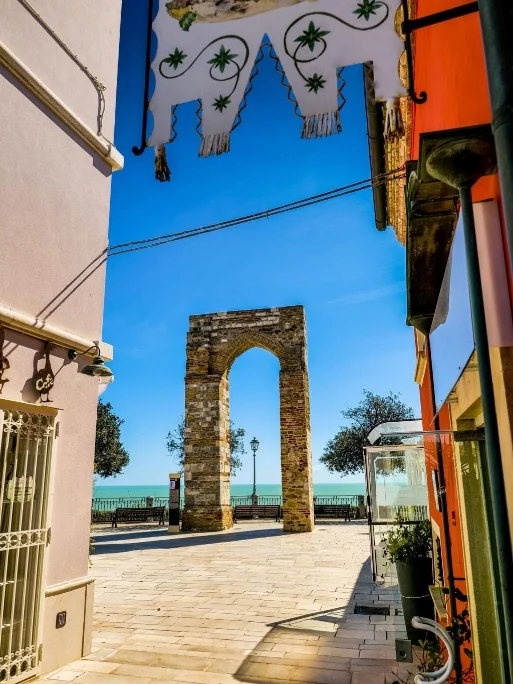
A medieval alleyway overlooking the sea.
A mountain lake reflecting distant peaks.
A family run trattoria where recipes have been passed from one generation to the next.
It is a region without pretense.
Without crowds.
Without urgency.
And in today’s world, that may be one of the greatest luxuries of all.
As our journey through Le Marche, Abruzzo, and Molise comes to an end, one truth becomes increasingly clear.
Italy always has another story waiting to be discovered.
Another hidden beach.
Another village festival.
Another meal shared beneath a canopy of stars.
Another place that reminds us why we fell in love with this extraordinary country in the first place.
So travel slowly.
Travel deeply.
And let Italy reveal its summer secrets, one unforgettable destination at a time.
Strength and gentleness.
Tradition and discovery.
Here, you can spend the morning cycling beside the Costa dei Trabocchi, the afternoon exploring castle ruins among alpine meadows, and the evening sharing arrosticini beneath a sky filled with stars.
It is a region that rewards those willing to slow down.
To linger.
To savor.
And to embrace an Italy that remains wonderfully, authentically itself.