ZRG Strikes Gold
•
Telenor Microfinance Bank awards ZRG OneView Contact Center System
•
ZRG Receives 5th Consecutive Achievement Gold Award from FPCCI
•
Al Baraka Bank Chooses ZRG OneView CMS Software
•
PSO Awards Contact Center Tender To ZRG
•
ZRG Strikes Gold
•
Telenor Microfinance Bank awards ZRG OneView Contact Center System
•
ZRG Receives 5th Consecutive Achievement Gold Award from FPCCI
•
Al Baraka Bank Chooses ZRG OneView CMS Software
•
PSO Awards Contact Center Tender To ZRG
•
ZRG Strikes Gold
•
Telenor Microfinance Bank awards ZRG OneView Contact Center System
•
ZRG Receives 5th Consecutive Achievement Gold Award from FPCCI
•
Al Baraka Bank Chooses ZRG OneView CMS Software
•
PSO Awards Contact Center Tender To ZRG
•
ZRG Strikes Gold
•
Telenor Microfinance Bank awards ZRG OneView Contact Center System
•
ZRG Receives 5th Consecutive Achievement Gold Award from FPCCI
•
Al Baraka Bank Chooses ZRG OneView CMS Software
•
PSO Awards Contact Center Tender To ZRG
•
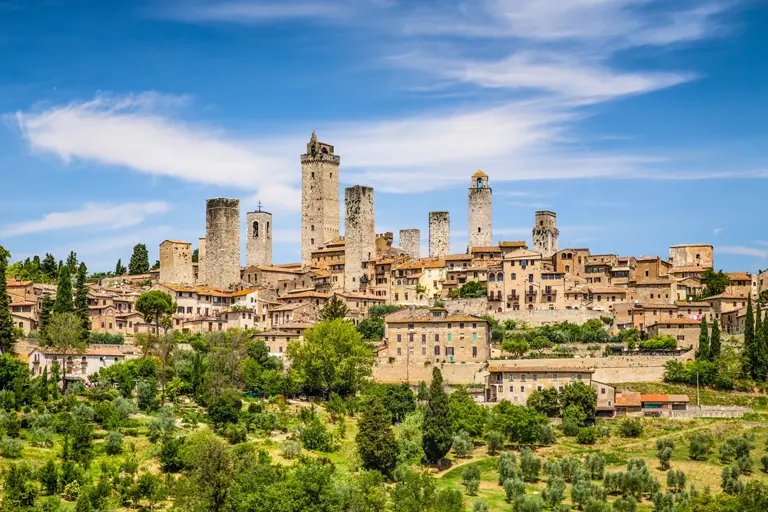
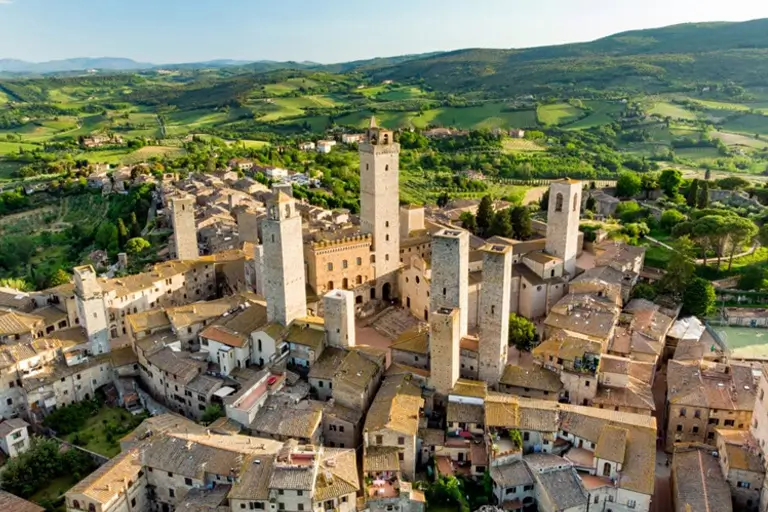
As dawn breaks over the Tuscan countryside, fourteen medieval towers pierce the morning mist, their weathered stone silhouettes standing sentinel over San Gimignano. This remarkable town, often called the ‘Manhattan of the Middle Ages,’ tells a story of ambition, wealth, and architectural innovation that has endured for nearly a millennium. Perched atop a hill and surrounded by undulating vineyards and silver-green olive groves, San Gimignano’s distinctive skyline serves as a portal to an era when towers weren’t just buildings—they were symbols of power, prestige, and possibility.
The Birth of a Vertical City
When wealthy merchant families began their vertical race to the sky in the 12th century, they couldn’t have known they were creating what would become one of Italy’s most photographed medieval skylines. The town’s strategic position along the Via Francigena—the ancient pilgrimage route connecting Northern Europe to Rome—brought not only travelers but also unprecedented prosperity. With each stone laid, ambitious families etched their legacy into the heavens, creating a medieval metropolis that would have rivaled modern cities in its architectural audacity.
While modern skyscrapers serve as corporate headquarters and residential spaces, San Gimignano’s towers were medieval Swiss Army knives of architecture. During peace, they stored precious saffron and fine textiles in their upper levels, where the dry air naturally preserved these valuable commodities. In times of conflict, they transformed into fortified sanctuaries. And always, they served as spectacular viewing platforms—a function that tourists can still experience today when climbing Torre Grossa.
The Towers That Define a Skyline
At its zenith, San Gimignano’s skyline bristled with 72 towers, each a testament to its builder’s wealth and ingenuity. Today, 14 of these magnificent structures remain, each with its own story to tell. The Torre Grossa, standing proudly at 54 meters (177 feet), continues to reign as the town’s tallest tower. Built in 1311, it offers visitors who brave its climb an unparalleled view of the Tuscan landscape that has changed remarkably little since medieval times.
Nearby, the Torre Rognosa rises 52 meters into the sky, its name (“scabby tower”) belying its elegant presence. Once a civic building, it now stands as a silent witness to centuries of history. Perhaps most captivating are the twin towers of the Salvucci family, their paired silhouettes a reminder of the competitive spirit that drove San Gimignano’s vertical expansion.
A Time Capsule in Stone
San Gimignano’s preservation is, ironically, a gift of misfortune. When the Black Death swept through Tuscany in 1348, it brought an end to the town’s golden age. As trade routes shifted and Florence’s influence grew, San Gimignano’s importance waned. Yet this decline became its salvation—while other towns modernized, San Gimignano remained frozen in time, its medieval character intact. When the Renaissance transformed other Italian cities, this hilltop town stood still, preserving its unique architectural heritage for future generations.
Experiencing San Gimignano Today
Standing in Piazza della Cisterna, you’ll find yourself at the crossroads of past and present. The medieval well at the square’s center once served thirsty travelers along the Via Francigena; today, it provides the perfect spot to enjoy the world’s best gelato while tower-watching. As the evening light paints the stone towers in shades of gold, find a local enoteca to sample Vernaccia di San Gimignano, the crisp white wine that has been the town’s liquid treasure since Dante’s time.
The Collegiata di Santa Maria Assunta offers another dimension to San Gimignano’s story. Its walls, adorned with vibrant frescoes, serve as a medieval picture book, telling biblical stories to modern visitors just as they did to pilgrims centuries ago. In the Museo Civico, artifacts and artworks piece together the daily life of a medieval trading town, while access to Torre Grossa provides the ultimate reward: a bird’s-eye view of this remarkable urban landscape.
Planning Your Journey
The best time to experience San Gimignano’s magic is during the gentle seasons of spring (April-June) or autumn (September-October), when the Tuscan sun is kind and the summer crowds have thinned. The town is easily accessible from Florence (56 km) or Siena (40 km), with the drive through the Chianti region being an experience in itself. Consider staying in a local agriturismo, where the authentic Tuscan experience extends beyond the medieval walls to encompass the surrounding countryside that has nourished this town for centuries.
For those seeking deeper insight, local guides bring the town’s stories to life, revealing the human drama behind the stone facades. Their narratives weave together tales of rival families, architectural innovations, and the daily life of a medieval trading hub, adding rich context to your exploration.
A Living Legacy
To visit San Gimignano is to witness the endurance of human ambition cast in stone. As you walk its narrow streets, each tower tells a story of families who dared to build toward the heavens, of a town that preserved its medieval soul through centuries of change, and of an architectural legacy that continues to inspire wonder. In a world of glass and steel skyscrapers, these towers of stone remind us that the human desire to reach skyward is as old as civilization itself—and nowhere is this story told more eloquently than in the vertical symphony of San Gimignano’s enduring skyline.
Whether you’re drawn by the architecture, the history, the wine, or simply the timeless beauty of Tuscany, San Gimignano offers something profound: a chance to step into a medieval dream, where every stone has a story and every tower touches the sky. As the sun sets behind the ancient towers, casting long shadows across cobblestone streets, you might find yourself transported across centuries, connected to the endless parade of travelers who have stood in awe before these same magnificent towers.