ZRG Strikes Gold
•
Telenor Microfinance Bank awards ZRG OneView Contact Center System
•
ZRG Receives 5th Consecutive Achievement Gold Award from FPCCI
•
Al Baraka Bank Chooses ZRG OneView CMS Software
•
PSO Awards Contact Center Tender To ZRG
•
ZRG Strikes Gold
•
Telenor Microfinance Bank awards ZRG OneView Contact Center System
•
ZRG Receives 5th Consecutive Achievement Gold Award from FPCCI
•
Al Baraka Bank Chooses ZRG OneView CMS Software
•
PSO Awards Contact Center Tender To ZRG
•
ZRG Strikes Gold
•
Telenor Microfinance Bank awards ZRG OneView Contact Center System
•
ZRG Receives 5th Consecutive Achievement Gold Award from FPCCI
•
Al Baraka Bank Chooses ZRG OneView CMS Software
•
PSO Awards Contact Center Tender To ZRG
•
ZRG Strikes Gold
•
Telenor Microfinance Bank awards ZRG OneView Contact Center System
•
ZRG Receives 5th Consecutive Achievement Gold Award from FPCCI
•
Al Baraka Bank Chooses ZRG OneView CMS Software
•
PSO Awards Contact Center Tender To ZRG
•
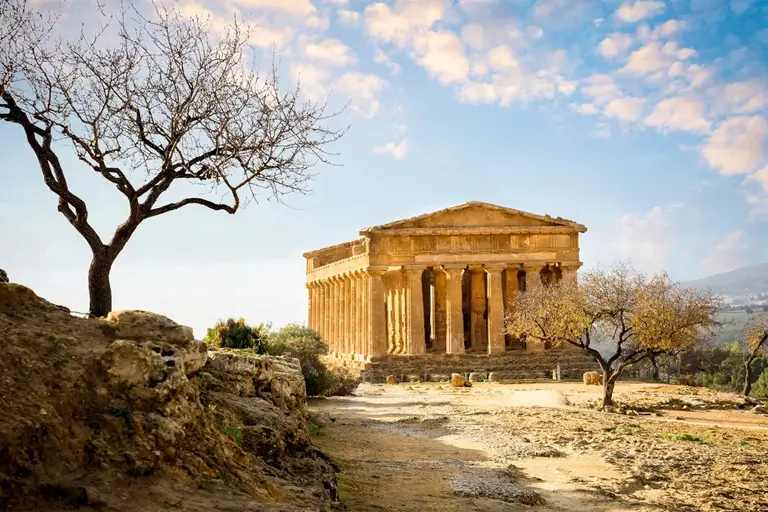
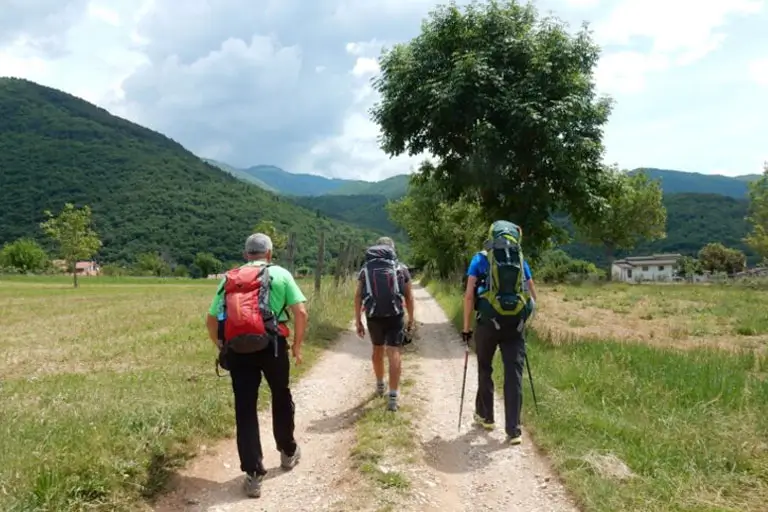
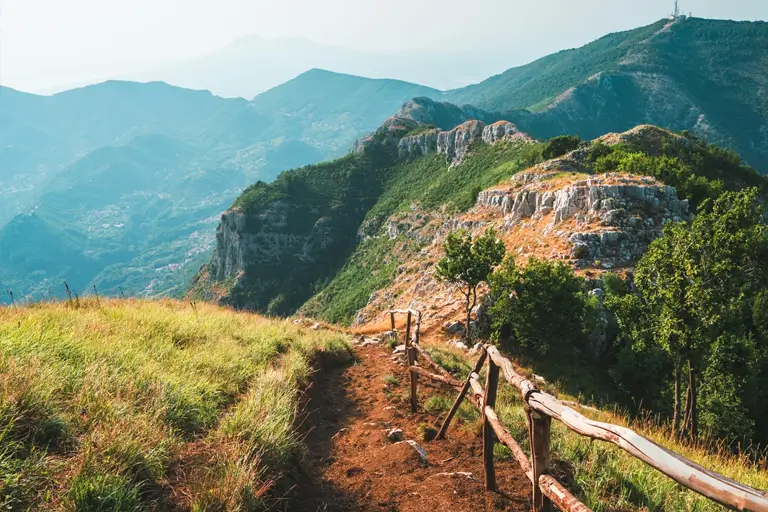
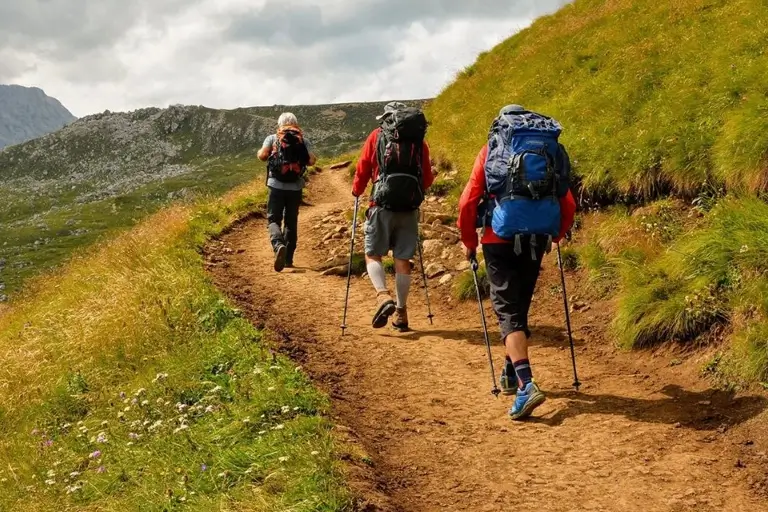
As dawn breaks over the Sicilian countryside, the ancient stones beneath my feet tell stories of countless pilgrims who have walked these paths before. While many travelers know Sicily for its archaeological treasures, stunning coastlines, and mouth-watering cuisine, the island harbors another treasure: a network of ancient pilgrimage routes that weave through its dramatic landscapes, connecting sacred sites and telling tales of faith, history, and cultural transformation.
Where History Meets Spirituality
Sicily’s pilgrimage routes offer more than just spiritual journeys—they’re living museums where every step reveals layers of history. From Byzantine-era churches tucked into hillsides to remote mountain sanctuaries, these paths tell the story of Sicily’s rich religious heritage and its role as a crossroads of Mediterranean civilizations.
The Path of Saint Felix: A Journey Through Time
The Cammino di San Felice stands as perhaps the most ambitious of Sicily’s pilgrimage routes, cutting a 160-kilometer swath through the heart of the island. Following the footsteps of Saint Felix of Nola, this path reveals a Sicily few tourists ever see. As you traverse the route from Caltanissetta to Mussomeli, you’ll discover medieval churches where time seems to stand still and villages where ancient traditions remain very much alive.
What makes this path particularly special is how it interweaves the sacred and the secular. In one village, you might find yourself participating in a centuries-old religious festival, while in another, you’ll learn traditional bread-making techniques passed down through generations. The path teaches us that in Sicily, the spiritual and the every day have always been inseparable.
Saint Rosalia’s Journey: A Pilgrimage with a View
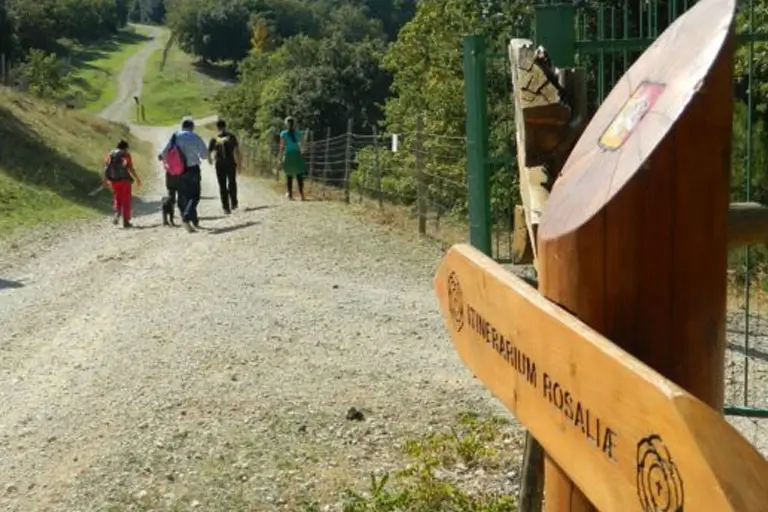
For those seeking a shorter but no less meaningful experience, the Cammino di Santa Rosalia offers an intensive 20-kilometer journey that captures the essence of Sicilian devotion. Beginning in the bustling streets of Palermo, this pilgrimage leads to the dramatic sanctuary atop Monte Pellegrino, where Saint Rosalia, the city’s beloved patron saint, lived as a hermit in the 12th century.
The climb to Monte Pellegrino is more than just a physical journey—it’s a window into Palermo’s soul. As you ascend, the city unfolds beneath you like a living map, while the Mediterranean stretches endlessly toward the horizon. The sanctuary, built into the mountain’s rocky face, serves as a powerful reminder of how faith can transform the natural landscape into a sacred space.
Walking the Sicilian Camino: The Way of Saint James
In a fascinating cultural exchange, Sicily has adapted the famous Camino de Santiago concept to its own landscape through the Cammino di San Giacomo. This 112-kilometer route from Caltagirone to Capizzi offers pilgrims a uniquely Sicilian interpretation of the Camino experience. The path begins in Caltagirone, a city renowned for its ceramic artistry, where each of the 142 steps of the famous Scala di Santa Maria del Monte is decorated with hand-painted majolica tiles.
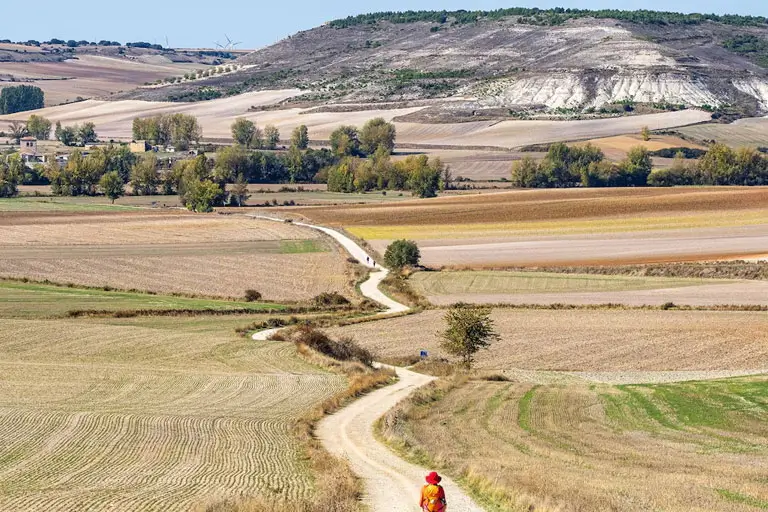
As you progress northward, the route reveals Sicily’s agricultural heart, passing through olive groves, wheat fields, and vineyards that have sustained the island’s communities for millennia. The journey concludes in Capizzi, a mountain town where devotion to Saint James runs deep, demonstrating how Spanish religious traditions have been woven into Sicily’s cultural fabric.
Nature’s Cathedral: The Sentiero Italia
While not strictly a religious pilgrimage, the Sicilian segment of the Sentiero Italia offers what many consider a spiritual experience of a different kind. Stretching approximately 500 kilometers through the Madonie and Nebrodi mountains, this trail provides a profound connection with Sicily’s natural heritage. Here, under the watchful eye of Mount Etna, Europe’s largest active volcano, hikers find themselves immersed in some of the Mediterranean’s most pristine landscapes.
The trail passes through ancient forests, highland meadows, and villages where time seems to move at a different pace. It’s a reminder that sometimes the most profound spiritual experiences come not from built sanctuaries but from the natural world itself.
In Garibaldi’s Footsteps: The Path of the Thousand
The Cammino dei Mille offers a pilgrimage of a different sort—one dedicated not to religious devotion but to the ideals of Italian unification. This 180-kilometer route traces the historic march of Giuseppe Garibaldi and his thousand volunteers from Marsala to Palermo, a journey that would eventually lead to the unification of Italy.
Walking this path today, you’ll find yourself moving through landscapes little changed since Garibaldi’s time. From Marsala’s salt pans to the rugged interior, the route offers a powerful reminder of how landscape shapes history and how ordinary people can achieve extraordinary things.
A Journey of Discovery
What makes Sicily’s pilgrimage routes truly special is how they combine spiritual heritage with natural beauty, historical significance, and living traditions. Whether you’re walking for religious reasons, historical interest, or simply to experience Sicily at a slower pace, these ancient paths offer something profound: a chance to step outside ordinary time and connect with centuries of human experience.
As the sun sets over the Mediterranean and another day of walking comes to an end, you might find yourself understanding why pilgrims have been drawn to these routes for centuries. In a world that often moves too fast, Sicily’s sacred paths remind us of the value of slow travel, of taking time to connect with both the landscape and our inner selves.