ZRG Strikes Gold
•
Telenor Microfinance Bank awards ZRG OneView Contact Center System
•
ZRG Receives 5th Consecutive Achievement Gold Award from FPCCI
•
Al Baraka Bank Chooses ZRG OneView CMS Software
•
PSO Awards Contact Center Tender To ZRG
•
ZRG Strikes Gold
•
Telenor Microfinance Bank awards ZRG OneView Contact Center System
•
ZRG Receives 5th Consecutive Achievement Gold Award from FPCCI
•
Al Baraka Bank Chooses ZRG OneView CMS Software
•
PSO Awards Contact Center Tender To ZRG
•
ZRG Strikes Gold
•
Telenor Microfinance Bank awards ZRG OneView Contact Center System
•
ZRG Receives 5th Consecutive Achievement Gold Award from FPCCI
•
Al Baraka Bank Chooses ZRG OneView CMS Software
•
PSO Awards Contact Center Tender To ZRG
•
ZRG Strikes Gold
•
Telenor Microfinance Bank awards ZRG OneView Contact Center System
•
ZRG Receives 5th Consecutive Achievement Gold Award from FPCCI
•
Al Baraka Bank Chooses ZRG OneView CMS Software
•
PSO Awards Contact Center Tender To ZRG
•
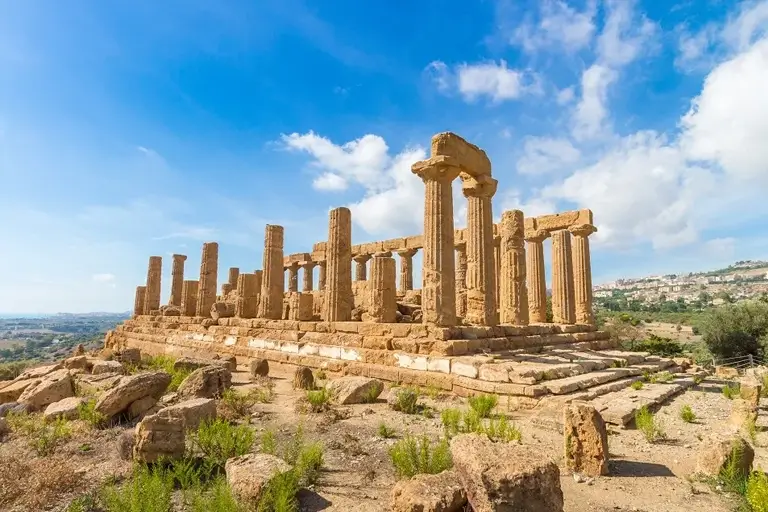
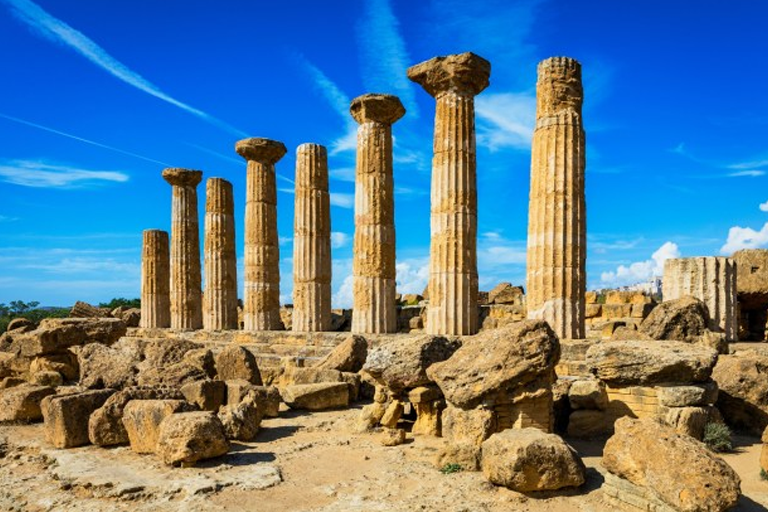
Sicily, known for its stunning landscapes and cultural diversity, is also a treasure trove of ancient Roman ruins. As a crucial part of the Roman Empire, the island served as a vital hub for trade, agriculture, and politics. Today, travelers to Sicily can immerse themselves in the grandeur of ancient Rome by visiting some of the most well-preserved Roman sites in Europe.
From luxurious villas adorned with intricate mosaics to ancient amphitheaters that once echoed with the sounds of gladiatorial combat, Sicily offers a glimpse into the daily lives, art, and architecture of Roman civilization. Let’s explore some of the most significant Roman archaeological sites on the island, including the famous Villa Romana del Casale, and learn how the Roman Empire left its lasting imprint on Sicily.
1. Villa Romana del Casale: A Roman Masterpiece
Location: Near Piazza Armerina.
Time Period: Built in the late 3rd to early 4th century AD.
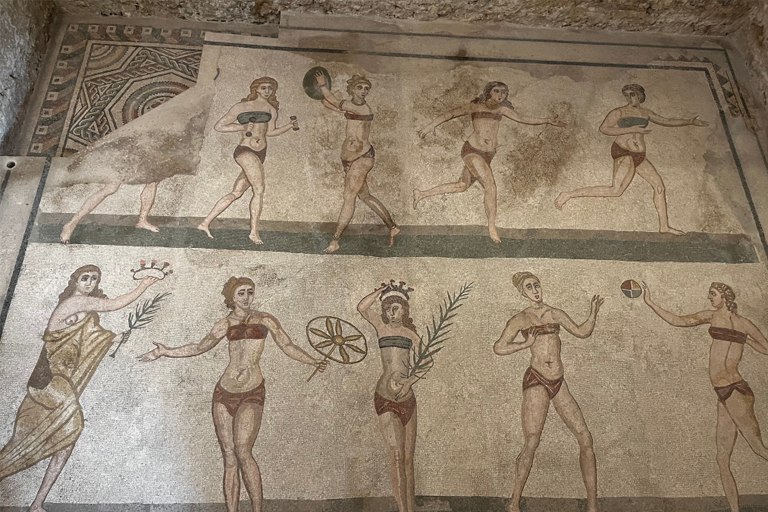
One of the most famous Roman sites in Sicily, and indeed in the world, is the Villa Romana del Casale. Located near Piazza Armerina, this villa is a stunning example of Roman luxury, best known for its exceptionally well-preserved mosaics, which cover over 3,500 square meters of floors throughout the villa.
The mosaics depict scenes from Roman mythology, hunting expeditions, and daily life, offering an intricate look into Roman art and culture. Some of the most famous mosaics include the Bikini Girls, which shows women participating in athletic events, and the Great Hunt, a vibrant depiction of exotic animals being captured for transport to the Colosseum in Rome.
The villa’s design, with its large rooms, bathhouses, and elaborate peristyles, speaks to the wealth and influence of its Roman owners. A UNESCO World Heritage Site, the Villa Romana del Casale is a must-see for anyone interested in ancient Roman art and architecture. Visitors can walk through the villa’s rooms and corridors, marveling at the sheer scale and beauty of the mosaics that have survived for over 1,700 years.
2. The Roman Amphitheater of Catania: Echoes of Gladiators
Location: Catania.
Time Period: Built in the 2nd century AD.
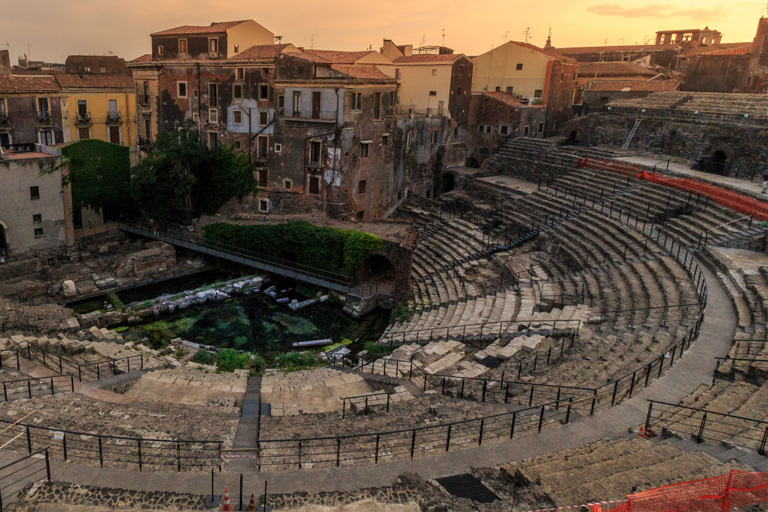
Catania, one of Sicily’s largest cities, is home to a significant Roman amphitheater that dates back to the 2nd century AD. Although much of it is now buried beneath the city, the amphitheater was once one of the largest in the Roman Empire, with the capacity to hold around 15,000 spectators.
This massive structure was used for gladiatorial games, animal hunts, and other public spectacles typical of Roman entertainment. The ruins of the amphitheater can be visited today, giving visitors a sense of the grandeur and scale of Roman public buildings. The site is a testament to the importance of Catania as a Roman city and offers a glimpse into the cultural life of the Roman population in Sicily.
3. The Roman Theater of Taormina: A Mix of Greek and Roman Influence
Location: Taormina.
Time Period: Originally built by the Greeks in the 3rd century BC, expanded by the Romans in the 2nd century AD.
Though originally constructed by the Greeks, the ancient theater of Taormina was significantly expanded and modified by the Romans, making it one of the most famous ancient sites in Sicily. The Romans transformed the theater to suit their preferences, enlarging the stage and seating areas to accommodate large crowds for gladiatorial games and other performances.
The theater’s location, perched high above Taormina with breathtaking views of Mount Etna and the Ionian Sea, is unmatched. The blend of Greek and Roman architectural styles adds to the theater’s charm, making it a perfect place to witness the blending of cultures that has long defined Sicily. Visitors to Taormina can attend concerts or theatrical performances in the summer, experiencing the magic of the ancient venue as the Romans once did.
4. The Roman Villa in Patti: Mosaics and History
Location: Patti, near Tindari.
Time Period: Built in the 4th century AD.
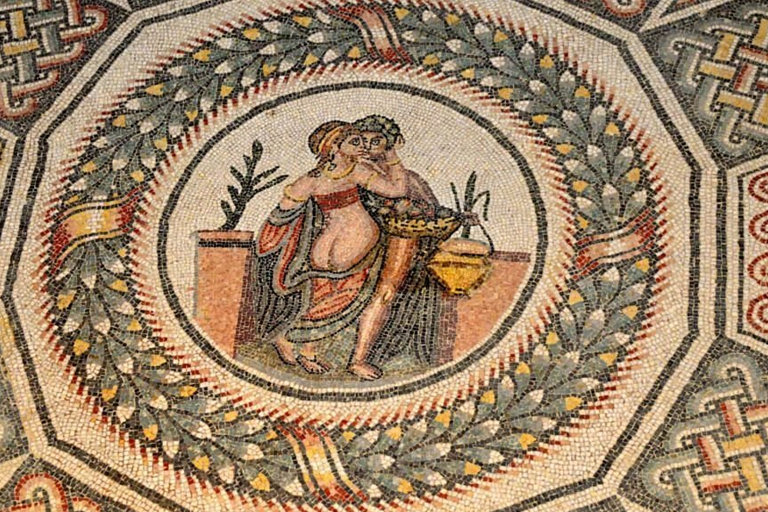
Located near the ancient Greek city of Tindari, the Roman Villa in Patti is another impressive example of a luxurious Roman residence. Discovered in the 1970s, the villa is famous for its beautifully preserved mosaic floors, which are similar in style to those at Villa Romana del Casale. The mosaics feature geometric patterns, mythological scenes, and depictions of everyday Roman life.
The villa also had its own bathhouse, complete with sophisticated heating systems, which demonstrates the advanced engineering of the Romans. Walking through the villa, visitors can imagine what life was like for the wealthy Roman elite who lived in this coastal retreat.
5. The Ancient City of Solunto: A Roman Revival
Location: Near Palermo.
Time Period: Established in the 4th century BC by the Phoenicians, expanded by the Romans in the 1st century AD.
The ancient city of Solunto sits on a hill near Palermo, offering stunning views of the Tyrrhenian Sea. Originally founded by the Phoenicians, the city was later expanded and remodeled by the Romans, who left their architectural mark on its streets, houses, and public buildings.
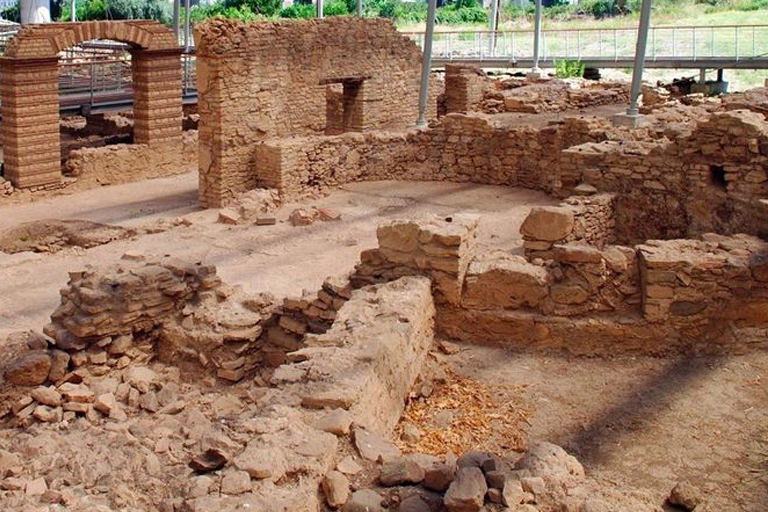
Visitors can explore the remains of Roman houses, which still feature colorful frescoes, intricate mosaics, and Roman baths. The city’s grid layout, typical of Roman urban planning, is clearly visible, with well-preserved streets and foundations of various structures.
Solunto provides a fascinating glimpse into how the Romans transformed and revitalized pre-existing settlements, blending their architecture and culture with that of the earlier inhabitants.
6. The Roman Baths of Cefalà Diana: A Soothing Legacy
Location: Near Palermo.
Time Period: 1st century AD.
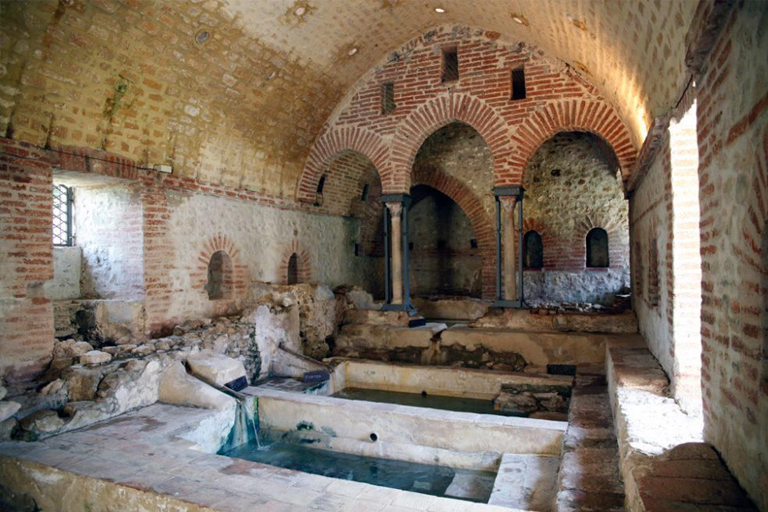
The Roman Baths of Cefalà Diana, located about 30 kilometers from Palermo, are an excellent example of ancient Roman engineering. These thermal baths were built in the 1st century AD, taking advantage of the region’s natural hot springs. The baths were a popular social and cultural hub for the Romans, who valued cleanliness, relaxation, and socializing.
The site still contains the remains of the original bath structures, including the large vaulted rooms and the thermal pools. Today, visitors can explore the ruins and learn about the importance of thermal baths in Roman society, as well as enjoy the peaceful surroundings.
7. The Forum of Syracuse: A Roman Urban Center
Location: Syracuse.
Time Period: Developed under Roman rule in the 1st century BC.
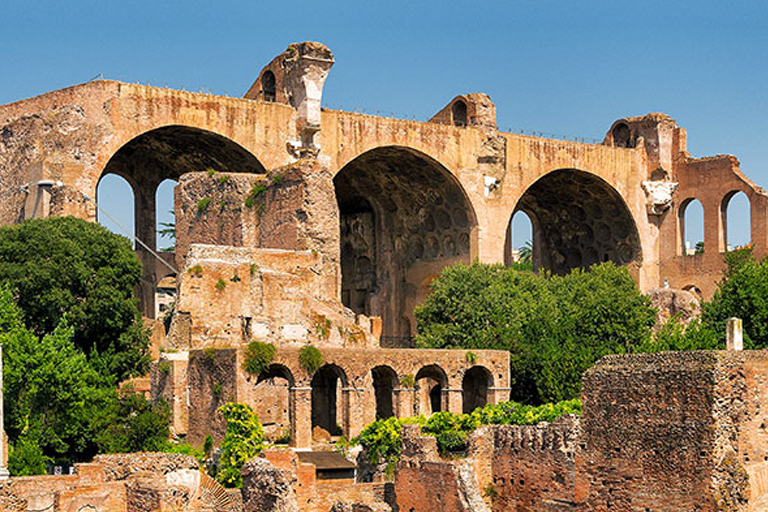
The Forum of Syracuse was the heart of Roman public life in the city, serving as a center for political, commercial, and social activities. Built in the 1st century BC, the forum featured a Roman basilica, temples, and other public buildings that were typical of Roman urban centers.
Although much of the forum has been lost or lies beneath modern Syracuse, some remains can still be seen, offering a glimpse into how the Romans transformed the Greek city of Syracuse into a Roman administrative hub. Nearby, visitors can explore the Roman Gymnasium, which was used for athletic competitions and training, another key element of Roman public life.
8. The Roman Bridge in Palermo
Location: Palermo.
Time Period: 2nd century AD.
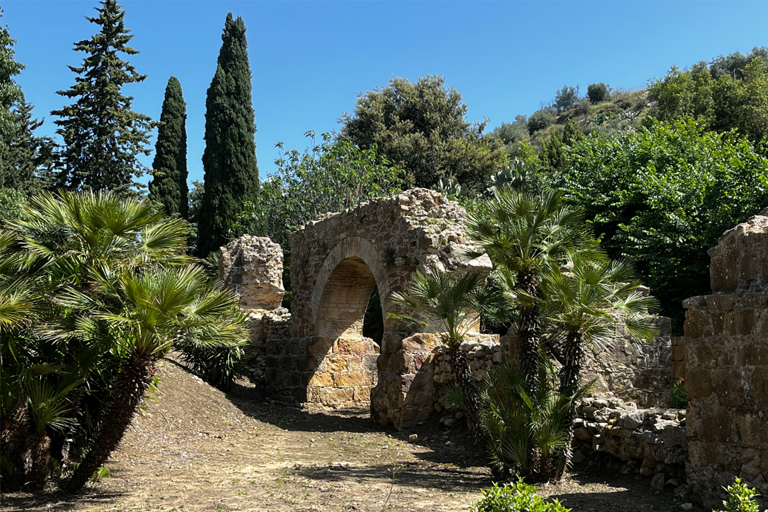
One of the lesser-known Roman sites in Sicily is the Roman Bridge in Palermo, which dates back to the 2nd century AD. Although only part of the original structure remains, the bridge is an important reminder of the infrastructure projects that the Romans undertook throughout the empire.
This bridge once spanned the Oreto River, facilitating trade and travel in and out of the city. Today, it serves as a historical marker, connecting modern Palermo with its Roman past.
Conclusion: Sicily’s Roman Legacy
Sicily’s Roman heritage is as rich and diverse as the island itself. From opulent villas to grand amphitheaters and bustling urban centers, the Romans left an indelible mark on the island’s landscape and culture. Visiting these sites offers a unique opportunity to step back in time and explore the grandeur of ancient Rome while also experiencing Sicily’s unparalleled natural beauty and rich history.
Whether marveling at the intricate mosaics of Villa Romana del Casale or standing in the shadows of the amphitheater in Catania, travelers to Sicily will find that the island’s Roman legacy continues to inspire awe and wonder, just as it did centuries ago.