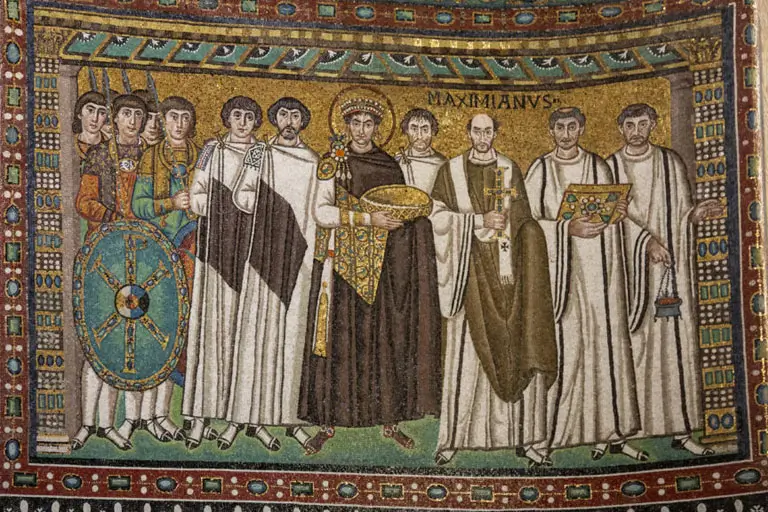
Rising from the lagoon like a dream, Venice has been inspiring artists for over a thousand years. This unique city, where every palazzo tells a story of artistic triumph, stands as one of the world’s most extraordinary cultural destinations. Venice’s artistic heritage spans from glittering Byzantine mosaics to groundbreaking contemporary installations at the Biennale. Let us explore this remarkable artistic landscape that makes Venice an unparalleled destination for art enthusiasts.
Basilica di San Marco: A Testament to Byzantine Splendor
The Basilica di San Marco represents the meeting point of Eastern and Western artistic traditions, creating a visual experience unlike anything else in Europe. This architectural marvel serves as both a spiritual center and a museum of Byzantine artistry.
The Golden Mosaics
The basilica’s most striking feature is its vast mosaic decoration, covering over 8,000 square meters of the interior. These mosaics represent:
- Stories from the Old and New Testaments
- The life of St. Mark
- Allegorical and apocalyptic scenes
- Venetian interpretations of Byzantine iconography
The golden background of these mosaics creates an otherworldly atmosphere, particularly during evening prayer services when they seem to shimmer in the candlelight.
The Treasury and Pala d’Oro
Behind the main altar, the Pala d’Oro (Golden Altarpiece) stands as one of the finest examples of Byzantine craftsmanship in existence. Created over several centuries, it features:
- Over 1,900 precious gems
- Detailed enamel work
- Religious scenes in cloisonné
- Additions by Venetian goldsmiths
Practical Visiting Information
The basilica requires careful planning to visit effectively:
- Book skip-the-line tickets in advance
- Visit early morning or late afternoon for best lighting
- Remember appropriate dress code (covered shoulders and knees)
- Consider a guided tour to understand the complex iconography
Gallerie dell’Accademia: The Evolution of Venetian Painting
Housing the world’s finest collection of Venetian painting from the 14th to 18th centuries, the Accademia provides a comprehensive overview of Venice’s artistic development.
Collection Highlights
The museum’s chronological arrangement allows visitors to trace the evolution of Venetian art through masterpieces such as:
- Giovanni Bellini’s “Madonna and Child” series
- Giorgione’s “The Tempest”
- Titian’s “Pietà”
- Veronese’s “Feast in the House of Levi”
- Tintoretto’s dramatic religious scenes
Recent Renovations
The museum has undergone extensive modernization while maintaining its historical character:
- Improved lighting systems
- New climate control for better preservation
- Enhanced educational resources
- Accessible routes throughout the building
Peggy Guggenheim Collection: Modern Art in a Venetian Palace
Housed in the unfinished Palazzo Venier dei Leoni on the Grand Canal, the Peggy Guggenheim Collection represents one of Europe’s finest museums of modern art.
The Collection
Peggy Guggenheim’s personal collection includes:
- Major works of Cubism, Surrealism, and Abstract Expressionism
- Important pieces by Picasso, Dalí, and Pollock
- Sculpture garden featuring works by Moore and Calder
- Regular temporary exhibitions of contemporary art
The Palazzo and Its Setting
The museum’s setting adds to its appeal:
- Views of the Grand Canal
- Original furniture and personal items
- Guggenheim’s private apartments
- Regular contemporary art installations in the garden
Scuole Grandi: Venice’s Artistic Brotherhoods
The Scuole Grandi, confraternities that combined religious devotion with civic duty, created some of Venice’s most spectacular art-filled spaces.
Scuola Grande di San Rocco
Often called “Tintoretto’s Sistine Chapel,” this building houses the artist’s most ambitious cycle of paintings:
- Over 50 masterworks completed over 23 years
- Complex theological and allegorical programs
- Revolutionary use of light and perspective
- Original furnishings and architectural details
Scuola Grande dei Carmini
This less-visited jewel features:
- Tiepolo’s ceiling masterpieces
- Original 18th-century furnishings
- Intimate prayer rooms
- Regular music performances
Churches as Art Galleries
Venice’s churches contain some of the city’s greatest artistic treasures, often in their original settings.
Santa Maria Gloriosa dei Frari
This Gothic church houses:
- Titian’s “Assumption of the Virgin”
- Giovanni Bellini’s “Madonna and Child with Saints”
- Donatello’s wooden “St. John the Baptist”
- Important funeral monuments
San Giorgio Maggiore
Palladio’s architectural masterpiece contains:
- Tintoretto’s “Last Supper”
- Modern installations during the Biennale
- Spectacular views of Venice
- Regular contemporary art exhibitions
The Venice Biennale: Contemporary Art’s Global Stage
Since 1895, the Venice Biennale has been at the forefront of contemporary art, showcasing cutting-edge work from around the world.
The Giardini
The traditional heart of the Biennale features:
- National pavilions representing different countries
- Historical exhibition spaces
- Landscaped gardens
- Architecture Biennale in alternate years
Arsenale
The converted naval shipyards host:
- Large-scale installations
- Performance art
- Experimental works
- Film screenings and events
Ca’ Pesaro: Modern Art in Venice
This baroque palace houses Venice’s Gallery of Modern Art, focusing on:
- 19th and 20th-century Italian art
- International modern art
- Contemporary exhibitions
- Oriental art collection
Palazzo Grassi and Punta della Dogana
These contemporary art spaces, renovated by Tadao Ando, showcase:
- François Pinault’s contemporary art collection
- Major temporary exhibitions
- Site-specific installations
- Educational programs
Hidden Gems and Lesser-Known Collections
Museo Correr
Located in St. Mark’s Square, this museum offers:
- Venetian history and art
- Neoclassical sculptures
- Ancient maps and globes
- Temporary exhibitions
Ca’ d’Oro
This Gothic palazzo houses:
- Important paintings and sculptures
- Renaissance bronzes
- Ancient Roman artifacts
- Spectacular Grand Canal views
Planning Your Venice Art Experience
Best Times to Visit
Consider these factors when planning:
- Early morning for popular sites
- Off-season for fewer crowds
- Biennale dates for contemporary art
- Special evening openings
Transportation
Venice’s art can be accessed by:
- Vaporetto water buses
- Walking routes
- Private water taxis
- Guided art tours
Museum Passes
Several options exist:
- Museum Pass (state museums)
- Chorus Pass (churches)
- Venice Card (combined services)
- Biennale passes
Contemporary Art Scene
Beyond the Biennale, Venice maintains a vibrant contemporary art scene:
- Commercial galleries in Dorsoduro
- Artist residencies
- Experimental spaces
- Pop-up exhibitions
Conservation and Research
Venice leads in art conservation:
- Save Venice restoration projects
- UNESCO World Heritage initiatives
- University research programs
- International conservation efforts
Specialized Art Experiences
Photography in Venice
The city offers unique opportunities for:
- Early morning photo walks
- Night photography sessions
- Architecture photography
- Traditional craft documentation
Art Workshops
Visitors can participate in:
- Traditional glass-making demonstrations
- Mosaic workshops
- Art history lectures
- Conservation presentations
Conclusion: Venice as Living Art
Venice itself is perhaps the world’s greatest work of art, where every view could be a Canaletto painting and every campo holds artistic treasures. The city’s commitment to both preserving its heritage and fostering contemporary creativity makes it an essential destination for art lovers.
The key to experiencing Venice’s art is to balance the must-see masterpieces with discoveries of your own. Allow time for wandering and unexpected encounters with beauty. Remember that Venice’s artistic heritage is not confined to museums but extends to every corner of the city, from neighborhood churches to hidden campos.
Whether you’re studying Bellini’s masterpieces at the Accademia, contemplating contemporary installations at the Biennale, or simply admiring the play of light on ancient mosaics, Venice offers an unparalleled artistic journey through time. The city continues to inspire and challenge artists and art lovers alike, maintaining its position as one of the world’s great capitals of artistic innovation and preservation.