ZRG Strikes Gold
•
Telenor Microfinance Bank awards ZRG OneView Contact Center System
•
ZRG Receives 5th Consecutive Achievement Gold Award from FPCCI
•
Al Baraka Bank Chooses ZRG OneView CMS Software
•
PSO Awards Contact Center Tender To ZRG
•
ZRG Strikes Gold
•
Telenor Microfinance Bank awards ZRG OneView Contact Center System
•
ZRG Receives 5th Consecutive Achievement Gold Award from FPCCI
•
Al Baraka Bank Chooses ZRG OneView CMS Software
•
PSO Awards Contact Center Tender To ZRG
•
ZRG Strikes Gold
•
Telenor Microfinance Bank awards ZRG OneView Contact Center System
•
ZRG Receives 5th Consecutive Achievement Gold Award from FPCCI
•
Al Baraka Bank Chooses ZRG OneView CMS Software
•
PSO Awards Contact Center Tender To ZRG
•
ZRG Strikes Gold
•
Telenor Microfinance Bank awards ZRG OneView Contact Center System
•
ZRG Receives 5th Consecutive Achievement Gold Award from FPCCI
•
Al Baraka Bank Chooses ZRG OneView CMS Software
•
PSO Awards Contact Center Tender To ZRG
•
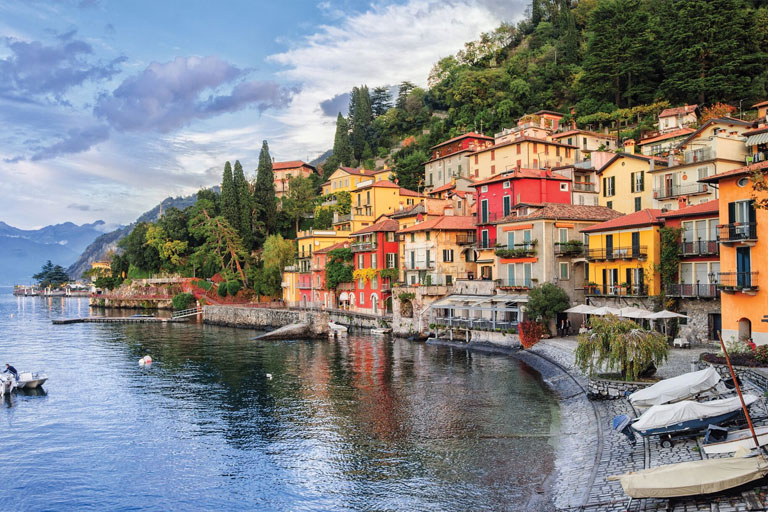
Imagine a place where azure waters mirror cloud-streaked skies, where centuries-old villas emerge from gardens cascading down to the shoreline, and where every vista appears crafted by the hand of a master painter. This is Lake Como, or Lago di Como as the Italians call it, a destination that has enchanted visitors since Roman times. The lake’s distinctive inverted-Y shape, carved by glaciers millions of years ago, creates three distinct arms that each offer their own character and charm. Here, the majestic Alps plunge dramatically into crystalline waters, creating a microclimate that nurtures both Mediterranean and Alpine flora, painting the landscape in a stunning palette of colors throughout the seasons.
1. Bellagio: The Pearl of Lake Como
At the junction where Lake Como splits into its two southern branches sits Bellagio, often called the “Pearl of the Lake.” This isn’t just poetic license – the town’s position at the promontory of the Larian triangle offers what many consider the most spectacular views in all of Italy. Here, the three arms of the lake spread out before you like a watery crossroads, each direction promising new adventures.
The Villa Melzi Gardens, created in the early 19th century, showcase the English-style landscaping that was fashionable among the Lombardy aristocracy. The gardens tell a story of botanical passion, with rare exotic plants brought from across the globe intermingling with native species. As you walk the paths, you’ll discover Egyptian statues, a Moorish-styled pavilion, and Japanese maple trees that flame brilliant red in autumn.
Punta Spartivento, literally meaning “the point that divides the wind,” offers a meditation on the forces of nature. Here, where the lake’s three branches meet, you can often see distinct weather patterns playing out simultaneously across different parts of the lake – sunshine sparkles on one branch while moody clouds gather over another.
The historic center of Bellagio is a masterclass in medieval urban planning. The famous stone stairs and narrow lanes, known as salite, flow down to the lake like streams, lined with shops showcasing local crafts, from intricate lace to hand-tooled leather goods. Each salita tells its own story – some lead to hidden courtyards where cats doze in the sun, others to unexpected viewpoints that frame the lake like living paintings.
2. Varenna: A Romantic Escape
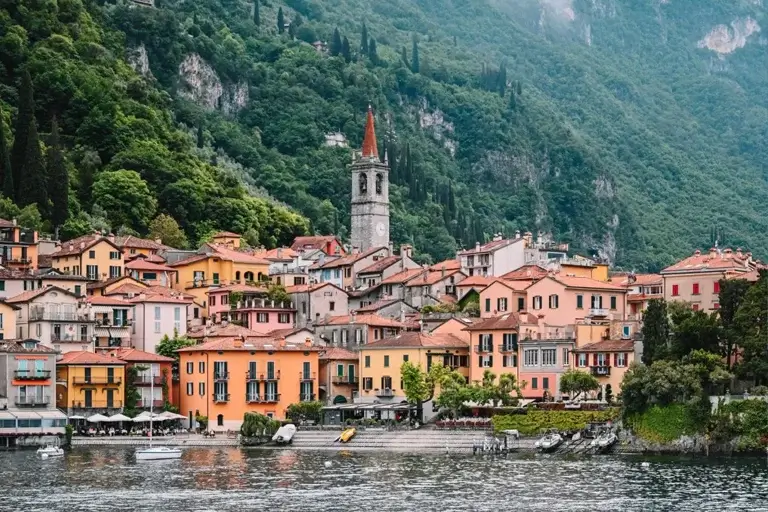
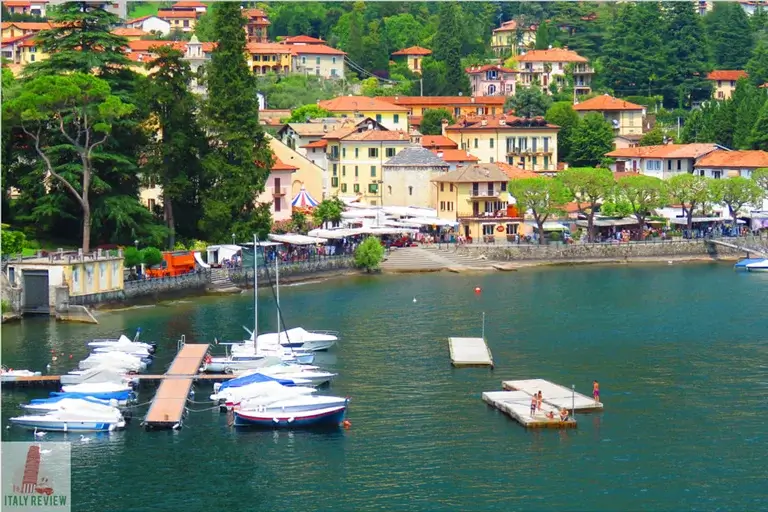
Varenna, with its cluster of ochre and terra cotta houses tumbling down to the lake, embodies the romantic soul of Lake Como. Unlike its more famous neighbor Bellagio, Varenna retains an authentic fishing village atmosphere. The waterfront promenade, known as La Passeggiata degli Innamorati (Lovers’ Walk), curves along the lake like a brushstroke, suspended over the water on a series of elegant arches.
Villa Monastero’s gardens stretch for nearly two kilometers along the lakeshore, creating a botanical journey through four centuries of landscape design. The villa itself, evolving from a 12th-century Cistercian monastery to a noble residence, showcases architectural styles from Gothic to Art Nouveau. In the gardens, citrus trees, cypresses, and rare plants from around the world thrive in the lake’s unique microclimate.
Castello di Vezio, standing guard above Varenna since the 11th century, offers more than just spectacular views. The castle hosts regular falconry demonstrations, continuing a medieval tradition that connects visitors to the area’s rich history. The castle’s permanent “ghosts” – plaster sculptures that weather and change throughout the seasons – create an eerily beautiful atmosphere, especially in the misty mornings.
3. Menaggio: A Family-Friendly Gem on the Western Shore
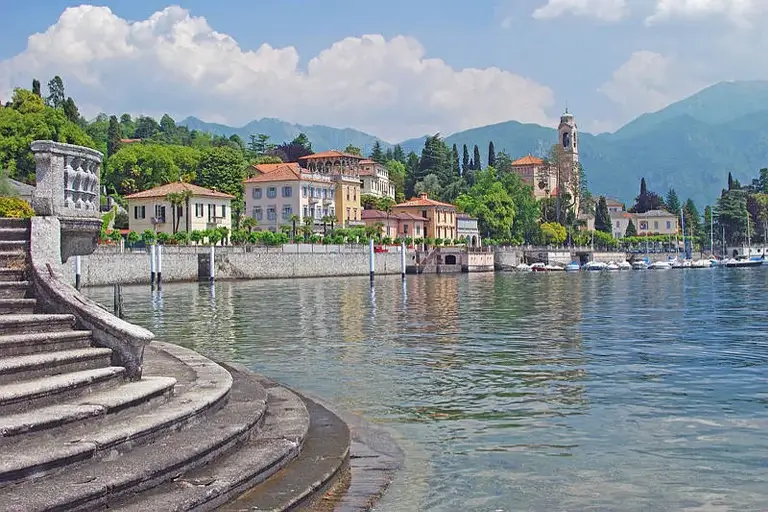
Menaggio rises from the lake’s western shore like an amphitheater of color, its buildings arranged in elegant tiers that climb the hillside. This ancient Roman settlement has evolved into a perfect blend of historic charm and modern comfort, making it especially appealing for families seeking both culture and convenience. The town’s elegant lakefront promenade, lined with oleanders and palm trees, speaks to the area’s subtropical microclimate, while the surrounding mountains remind visitors of their Alpine location.
The heart of Menaggio beats in its central Piazza Garibaldi, where the medieval street pattern opens into an elegant square bordered by cafes and shops housed in buildings spanning centuries of architectural styles. Here, local life unfolds throughout the day, from morning markets to evening passeggiata, offering visitors a genuine glimpse into authentic Italian lake life.
The Lido di Menaggio isn’t just a beach – it’s a carefully designed space that democratized lake access when it was built in the 1930s. Its art deco architecture and geometric pool design reflect the modernist movement that swept through Italy during that era. Today, its crystal-clear swimming pools and carefully maintained grounds provide a perfect base for families, while the original architectural details transport visitors back to the golden age of Italian tourism.
The surrounding mountains offer some of Lake Como’s finest hiking opportunities. The Greenway del Lago di Como, an 11-kilometer path connecting lakeside villages, reveals breathtaking views and hidden historical sites, including ancient churches, industrial archaeological remains, and elegant villas. Each segment tells part of the lake’s story, from Roman settlements to medieval churches to 19th-century grand hotels.
4. Tremezzo: Where Gardens Tell Stories
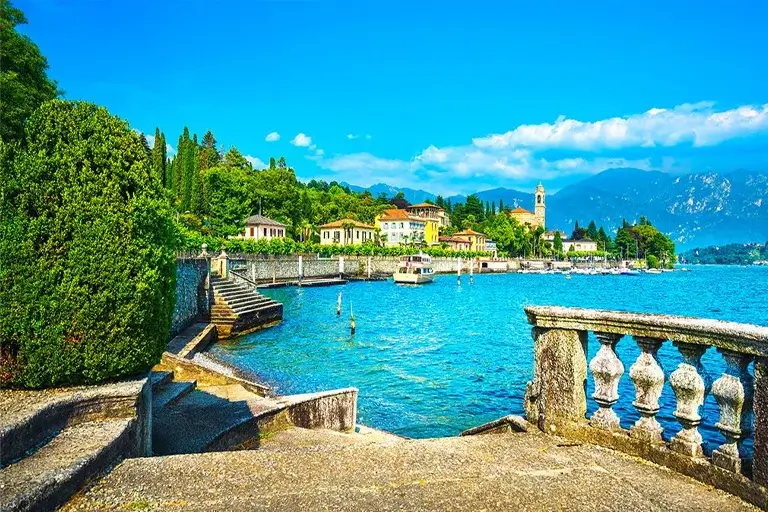
Tremezzo embodies the grandeur of Lake Como’s golden age, when European aristocrats built summer residences along these shores. The town seems to float on the lake’s western bank, its historic villas and gardens creating a harmonious blend of architectural and natural beauty. The unique microclimate here allows Mediterranean plants to thrive despite the Alpine setting, creating gardens that seem almost magical in their diversity.
Villa Carlotta stands as the crown jewel of Tremezzo, its 17th-century architecture providing a magnificent frame for one of Italy’s most important botanical gardens. The villa’s 70,000 square meters of gardens showcase the evolution of European landscape design, from formal Italian gardens to romantic English landscapes. Spring brings an explosion of color as over 150 varieties of azaleas and rhododendrons bloom, creating a symphony of pink, red, and purple hues. The villa’s art collection, including works by Canova and Thorvaldsen, represents the height of neoclassical sculpture.
The Grand Hotel Tremezzo, with its distinctive art nouveau facade in warm ochre, represents the epitome of Belle Époque luxury. Its floating pool on the lake, lined with white-cushioned loungers, appears to merge with the water itself. The hotel’s terraced gardens, designed to provide different experiences and views throughout the day, demonstrate how the wealthy of the early 20th century sought to create paradise on Earth.
5. Lenno: Cinema’s Favorite Corner of Como
Lenno curves around its sun-soaked bay, offering some of the lake’s most sheltered waters and consequently, its mildest microclimate. This geological gift has attracted settlers since Roman times, as evidenced by the ancient olive groves that still produce some of Italy’s northernmost olive oil. The town’s medieval center, with its narrow cobblestone streets radiating from the romanesque church of Santo Stefano, preserves the atmosphere of centuries past.
Villa del Balbianello, perched on its wooded peninsula, represents the pinnacle of Lake Como’s architectural heritage. Built on the site of a Franciscan monastery, the villa’s loggia offers perhaps the most photographed view on the entire lake. The villa’s gardens demonstrate the Italian art of pruning, with plane trees meticulously shaped over decades to frame the lake views like living pictures. Its selection as a filming location for Star Wars: Episode II and Casino Royale speaks to its otherworldly beauty.
Beyond its famous villa, Lenno offers visitors a chance to experience authentic lake life. The weekly market, held along the lakefront every Tuesday morning, has been a local tradition for centuries. Here, you can find everything from local cheeses and cured meats to handwoven textiles and artisanal crafts, all while mixing with locals going about their weekly shopping.
6. Como: A City of Silk and Style
Como city stands as both guardian and gateway to the lake that bears its name. This isn’t just a transit point but a destination in its own right, where two thousand years of history have created a sophisticated urban center that perfectly balances its ancient Roman grid layout with elegant modernist architecture. The city’s role as a global silk capital since the Middle Ages has infused it with an artistic sensibility evident in everything from its architecture to its shop windows.
The Como Cathedral (Duomo) represents nearly four centuries of architectural evolution. Beginning in 1396, it showcases the transition from Gothic to Renaissance styles. The facade alone serves as an architectural textbook, with statues and decorations that trace the development of northern Italian sculpture. The cathedral’s rose windows, created by master glaziers in the 15th century, filter light into the interior like medieval kaleidoscopes.
The funicular railway to Brunate, operating since 1894, does more than just transport visitors – it offers a lesson in the region’s geography and geology. As you ascend the 715 meters to the “balcony of the Alps,” the seven-minute journey reveals how the lake was formed by glacial action during the last ice age. From Brunate, the view encompasses not just Lake Como but the arc of the Alps from Monte Rosa to the Bernina Group.
Villa Olmo, the largest of Como’s lakeside villas, represents the neoclassical ideal of harmony between architecture and landscape. Its gardens, recently restored to their 18th-century design, demonstrate how enlightenment principles of order and reason were applied to landscape architecture. The villa’s name comes from a massive elm tree that once stood in its grounds, reminding us of the deep connection between the area’s natural and cultural heritage.
7. Cernobbio: Where Luxury Found Its Lake Como Home
Cernobbio has long been the preferred retreat of European aristocracy and global celebrities, yet it maintains the authentic charm of a lakeside village. The town’s main square, Piazza Risorgimento, opens onto the lake like a theatrical stage, with mountains providing a dramatic backdrop for the daily life that unfolds here. The succession of Liberty-style villas along the waterfront tells the story of the Belle Époque, when Lake Como became a mandatory stop on the European Grand Tour.
Villa d’Este, originally built in 1568 as a summer residence for Cardinal Tolomeo Gallio, represents the apotheosis of Lake Como luxury. The villa’s gardens are a masterpiece of hydraulic engineering, with water features that have functioned continuously since the 16th century. The famous mosaic, created from black and white pebbles in intricate patterns, demonstrates the Renaissance fascination with geometric precision and natural materials.
8. Bellano: Where Nature Crafts Art from Stone
Bellano reveals a different face of Lake Como, one where the raw power of nature takes center stage. Unlike its more manicured neighbors, this ancient fishing village offers a glimpse into the geological forces that shaped the lake region. The town’s medieval core, with its stone arcades and narrow vertical houses, tells the story of a community that has lived in harmony with both the lake and the mountains for over a thousand years.
The Orrido di Bellano stands as nature’s own sculpture gallery, where water has carved a profound story into rock over 15 million years. This gorge, whose name derives from the Latin “horridus” meaning “tremendous,” presents a spectacle of thundering waters and towering rock faces. The suspended walkways, engineered to give visitors intimate access to this natural wonder, offer an experience that engages all the senses – the cool mist rising from the torrente Pioverna, the thunderous echo of water against stone, and the play of light through the narrow canyon create an otherworldly atmosphere that changes with every visit.
The Church of Saints Nazaro and Celso represents a masterpiece of Gothic architecture that often surprises visitors with its scale and artistic richness. Its position above the lake creates a dramatic silhouette against the mountains, while its interior houses precious frescoes that have survived since the 14th century. The church’s bell tower has served as both a spiritual beacon and a navigation reference point for lake travelers for centuries.
Bellano’s lakefront promenade tells the story of 19th-century industrial development along Lake Como. The old silk mills and their workers’ housing offer insight into the area’s textile heritage, while restored Liberty-style villas speak to the prosperity this industry brought to the region. Today, these industrial buildings have found new life as cultural spaces and apartments, demonstrating how Bellano continues to evolve while preserving its heritage.
9. Nesso: The Lake’s Hidden Pearl
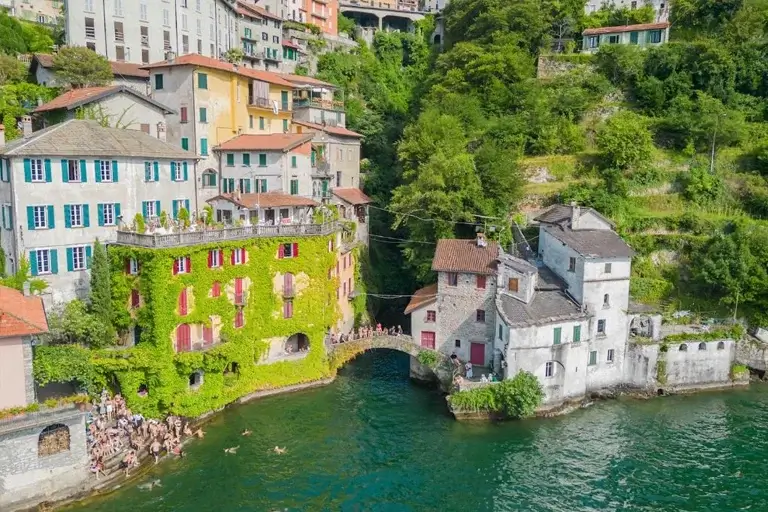
Nestled where the lake’s two branches meet, Nesso appears to cascade down the mountainside like the waterfall that bisects it. This medieval village, often overlooked by tourists rushing between better-known destinations, preserves an authenticity that larger towns have sometimes sacrificed to tourism. Here, ancient stone houses seem to grow organically from the rock face, connected by a network of steps and pathways that have served the community for centuries.
The Orrido di Nesso presents one of Lake Como’s most dramatic natural spectacles. This waterfall and gorge system, formed by the confluence of two streams, plunges directly into the lake through a natural stone arch. The medieval Ponte della Civera, which spans the gorge just before it meets the lake, offers perhaps the most romantic viewpoint on all of Lake Como. This single-arch stone bridge, dating from the 13th century, frames the waterfall and the lake beyond in a way that seems almost too perfect to be natural.
Nesso’s medieval street pattern reveals the ingenuity of ancient urban planners who had to work with extremely challenging topography. The vertical arrangement of the town, with houses stacked like a giant’s staircase, creates a unique microclimate where gardens flourish on terraces carved from the mountainside. These private gardens, glimpsed through stone archways, grow everything from olive trees to alpine flowers, demonstrating the unique growing conditions created by the lake’s microclimate.
The Church of Santa Maria Annunziata, though modest in size, contains artistic treasures that rival those of larger churches around the lake. Its 16th-century frescoes, recently restored, provide insight into the religious and artistic life of a small Lake Como community during the Renaissance. The church’s bell tower offers a lesson in medieval engineering, its sturdy construction having withstood centuries of alpine weather.
10. Dongo and Gravedona: History’s Northern Sentinels
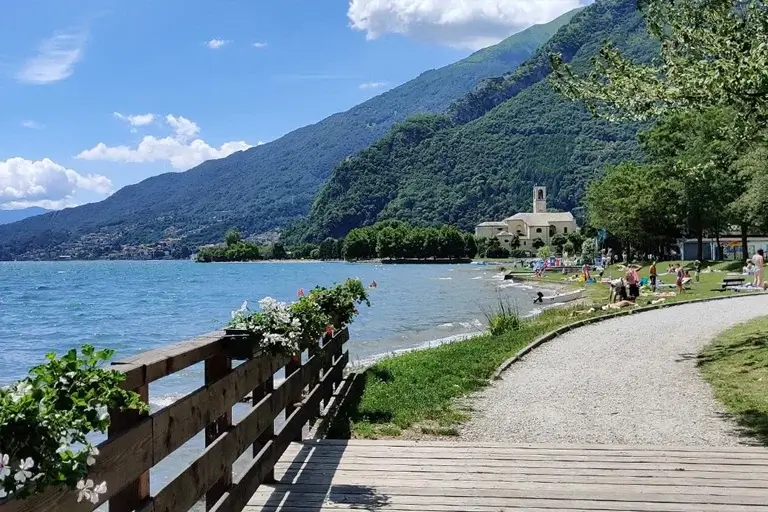
At the lake’s northern reaches, where the waters narrow and the mountains draw closer, Dongo and Gravedona preserve stories that range from medieval religious power to 20th-century political drama. These towns, less frequented by tourists, offer a more contemplative Lake Como experience where history feels remarkably present and accessible.
Gravedona’s Palazzo Gallio stands as a testament to the power once wielded by the region’s religious authorities. Built in 1586 as the summer residence of Cardinal Tolomeo Gallio, this Renaissance palace commands views down two arms of the lake. Its strategic position recalls a time when religious and political power were intertwined, while its architecture demonstrates how Renaissance ideals of harmony and proportion were adapted to the dramatic lakeside setting.
The Church of Santa Maria del Tiglio in Gravedona represents one of the most important examples of Romanesque architecture in northern Italy. Its striking appearance, created by alternating bands of black and white marble, demonstrates sophisticated engineering knowledge that allowed medieval builders to create such a stable structure in an area prone to seismic activity. The church’s octagonal baptistery, with its remarkable acoustics, offers insight into early Christian architectural practices.
Dongo’s role in modern Italian history is preserved in its Historical Museum of the End of the War, housed in the Palazzo Manzi. The museum tells the story of Mussolini’s capture near Dongo in April 1945, a pivotal moment that marked the end of fascist rule in Italy. The palazzo itself, built in the early 19th century, represents the neoclassical architectural style favored by Lake Como’s wealthy families during that period.
The lakefront promenades of both towns, though different in character, offer some of the lake’s most spectacular mountain views. Here, the Alps seem close enough to touch, and on clear days, the snowcapped peaks create perfect reflections in the lake’s surface. These promenades tell the story of how lakeside communities have always oriented themselves toward the water, their primary connection to the wider world.
Experiencing Lake Como Through the Seasons
The lake’s beauty transforms dramatically with each season, offering different but equally compelling experiences throughout the year. Spring brings explosions of color as camellias, azaleas, and rhododendrons bloom in lakeside gardens, filling the air with fragrance. Summer sees the waters dotted with boats, and the evening light paints the mountains in shades of gold and purple, creating a perfect backdrop for lakeside dining and strolls. Autumn creates a festival of colors as the surrounding forests change, with vibrant reds, oranges, and yellows, while the crisp air signals the approach of cooler days. Winter offers crisp, clear days when the snow-covered Alps seem close enough to touch, and the serene stillness of the lake is only broken by the occasional ripple of a passing boat, making it an ideal time for reflection and quiet beauty.
A Journey Through Time and Beauty
Lake Como is more than a collection of picturesque towns and stunning villas. It’s a living museum where geology, history, art, and culture interweave to create something uniquely magical. Each town around the lake adds its own chapter to this continuing story, from the grand villas that speak of aristocratic ambitions to the humble fishing villages that maintain centuries-old traditions.
Whether you’re exploring Roman ruins in Como, wandering through Renaissance gardens in Tremezzo, or discovering hidden waterfalls in Nesso, each moment on Lake Como offers a chance to connect with centuries of human creativity and natural beauty. This is a place where every view tells a story, every garden holds a secret, and every visit reveals new wonders in what might truly be Italy’s most enchanting destination.