ZRG Strikes Gold
•
Telenor Microfinance Bank awards ZRG OneView Contact Center System
•
ZRG Receives 5th Consecutive Achievement Gold Award from FPCCI
•
Al Baraka Bank Chooses ZRG OneView CMS Software
•
PSO Awards Contact Center Tender To ZRG
•
ZRG Strikes Gold
•
Telenor Microfinance Bank awards ZRG OneView Contact Center System
•
ZRG Receives 5th Consecutive Achievement Gold Award from FPCCI
•
Al Baraka Bank Chooses ZRG OneView CMS Software
•
PSO Awards Contact Center Tender To ZRG
•
ZRG Strikes Gold
•
Telenor Microfinance Bank awards ZRG OneView Contact Center System
•
ZRG Receives 5th Consecutive Achievement Gold Award from FPCCI
•
Al Baraka Bank Chooses ZRG OneView CMS Software
•
PSO Awards Contact Center Tender To ZRG
•
ZRG Strikes Gold
•
Telenor Microfinance Bank awards ZRG OneView Contact Center System
•
ZRG Receives 5th Consecutive Achievement Gold Award from FPCCI
•
Al Baraka Bank Chooses ZRG OneView CMS Software
•
PSO Awards Contact Center Tender To ZRG
•
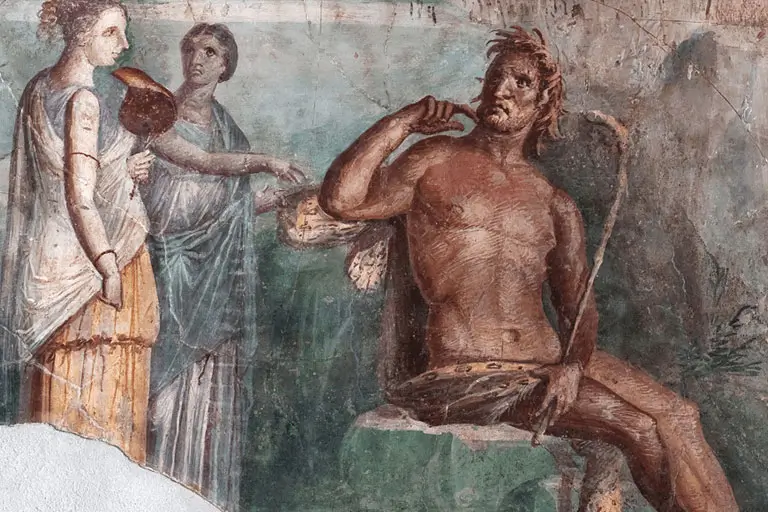
Naples, a city where every cobblestone tells a story, stands as one of Italy’s most compelling artistic destinations. Often overshadowed by Rome and Florence in cultural tourism, Naples offers an unparalleled artistic heritage that spans over two millennia. From perfectly preserved ancient Roman frescoes to cutting-edge contemporary installations, the city presents a living chronicle of Western art history. Let’s explore this extraordinary artistic landscape that makes Naples an essential destination for art enthusiasts.
The National Archaeological Museum: A Window into Ancient Artistry
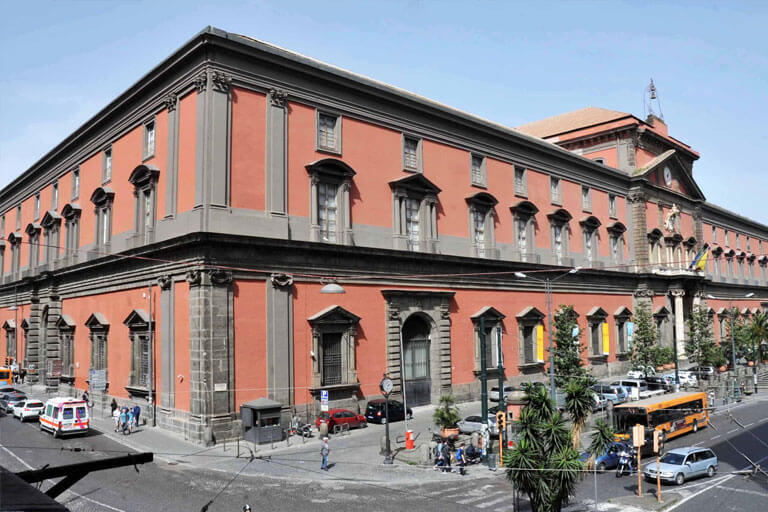
The Museo Archeologico Nazionale di Napoli(MANN) houses one of the world’s finest collections of Greco-Roman art and artifacts, making it an essential first stop for understanding the artistic foundations of Naples.
The Farnese Collection
At the heart of MANN lies the magnificent Farnese Collection, assembled by the powerful Renaissance family and eventually inherited by the Bourbon kings of Naples. This collection includes:
The Farnese Bull, the largest single sculpture recovered from antiquity
The Farnese Hercules, an influential model for Renaissance and Baroque artists
A vast array of Roman portrait busts offering insights into ancient portraiture
Greek vase paintings that influenced generations of artists
Pompeian Frescoes
The museum’s collection of frescoes from Pompeii and Herculaneum provides an unparalleled glimpse into ancient Roman painting techniques and daily life. Notable works include:
The Alexander Mosaic, depicting Alexander the Great in battle
The Villa of the Papyri frescoes, showing sophisticated Roman interior decoration
The Secret Cabinet, containing erotic art from Pompeii that challenges modern sensibilities
Practical Visiting Information
The museum requires at least half a day to explore properly. The ground floor houses the Farnese sculptures, while the upper floors contain the frescoes and smaller artifacts. An excellent audio guide is available in multiple languages, and guided tours can be arranged in advance.
The Capodimonte Museum: From Renaissance to Contemporary
Housed in a former Bourbon palace surrounded by a magnificent park, the Museo di Capodimonte represents the evolution of Italian painting from the 13th to the 20th centuries.
Historical Development
Originally built as a hunting lodge by Charles VII of Naples, the palace gradually transformed into one of Italy’s finest art galleries. The collection began with the Farnese family’s paintings and grew through royal acquisitions and donations.
Collection Highlights
The museum’s strengths include:
Masterpieces by Titian, including the “Danae” and “Pope Paul III”
Caravaggio’s “Flagellation of Christ” and other Baroque masterworks
Neapolitan School paintings from the 13th to 18th centuries
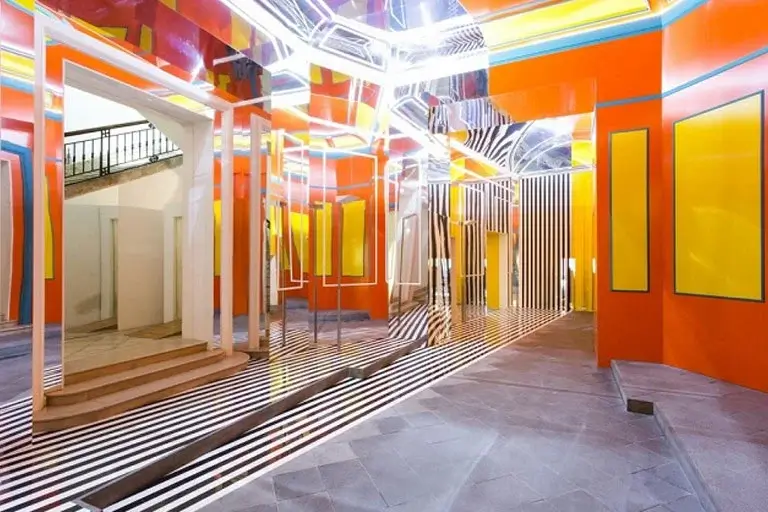
Contemporary art installations in dialogue with historical works
The Palazzo and Gardens
The museum complex offers more than just art:
The Royal Apartments provide context for the collection
The extensive gardens offer panoramic views of Naples
The porcelain factory, producing the famous Capodimonte porcelain
Contemporary art installations in the park
Churches as Art Galleries: Naples’ Sacred Spaces
Naples’ churches constitute a network of art galleries, each containing important works in their original settings.
The Sansevero Chapel
This baroque chapel houses Giuseppe Sanmartino’s “Veiled Christ,” considered one of the world’s supreme sculptural masterpieces. The chapel also contains enigmatic anatomical machines and other sculptures that blend baroque artistry with scientific inquiry.
Santa Chiara
The Gothic church of Santa Chiara features:
Remarkable 14th-century frescoes
A stunning majolica-tiled cloister
Medieval tombs of the Angevin dynasty
Modern reconstructions following World War II damage
San Domenico Maggiore
This church complex showcases:
Renaissance and Baroque paintings
Important tomb monuments
The cell where Thomas Aquinas lived and taught
Regular contemporary art installations
Underground Art: Naples’ Metro Stations
Naples has transformed its metro system into a remarkable public art project, with stations designed by prominent contemporary architects and artists.
Art Stations
Notable examples include:
Toledo Station, featuring light installations by Robert Wilson
Università Station, with works by Karim Rashid
Materdei Station, incorporating community art projects
Garibaldi Station, showcasing contemporary Italian artists
Practical Information
A special Art Metro Day Pass allows visitors to explore all the artistic stations. Guided tours are available through the MetroArt association.
Contemporary Art Spaces
Naples maintains a vibrant contemporary art scene that both honors and challenges its historical heritage.
Museo MADRE
The Museum of Contemporary Art Donna Regina(MADRE) occupies a restored palazzo in the historical center. The museum:
Features site-specific installations by international artists
Maintains a significant collection of Arte Povera works
Hosts temporary exhibitions of emerging artists
Offers educational programs connecting contemporary art with Neapolitan traditions
Palazzo delle Arti Napoli (PAN)
This dynamic cultural center:
Hosts rotating exhibitions of contemporary art
Provides space for experimental installations
Organizes cultural events and conferences
Supports emerging local artists
Street Art and Urban Creativity
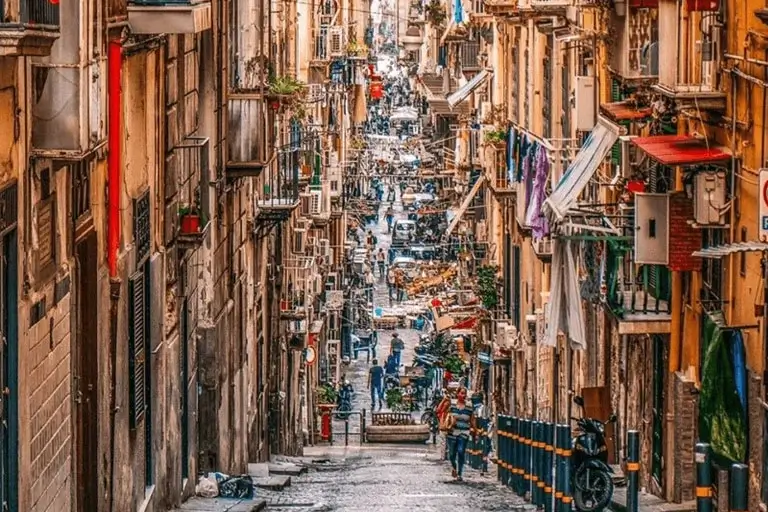
Naples has embraced street art as a legitimate form of cultural expression, with several neighborhoods becoming open-air galleries.
Quartieri Spagnoli
This historic neighborhood features:
Large-scale murals addressing social issues
Tributes to Maradona and other local icons
Collaborative community art projects
Regular street art festivals
Rione Sanità
This developing area showcases:
Street art rehabilitation projects
Contemporary interpretations of traditional motifs
Community-engaged artistic initiatives
Regular art walks and guided tours
Special Collections and Hidden Gems
Pio Monte della Misericordia
This baroque church houses Caravaggio’s “Seven Works of Mercy” in its original setting, along with other important paintings and sculptures.
Palazzo Zevallos Stigliano
This elegant palace contains Caravaggio’s last painting, “The Martyrdom of Saint Ursula,” along with an excellent collection of Neapolitan views.
Museo Filangieri
This lesser-known museum offers:
Medieval and Renaissance weapons and armor
Decorative arts from various periods
Neapolitan paintings and sculptures
Regular special exhibitions
Planning Your Art Experience
Best Times to Visit
Naples’ museums are generally less crowded during:
Weekday mornings
Winter months (except holidays)
Early evening hours on special opening days
Off-season periods (November-March)
Transportation and Access
Most major sites are accessible by:
Metro system (including Art Stations)
Walking routes through the historic center
City buses
Organized art tours
Museum Passes and Combinations
Several options exist for maximizing your art experience:
Campania ArteCard (includes public transportation)
Naples Museum Pass
Church Circuit tickets
Special exhibition combinations
Conservation and Research
Naples plays a crucial role in art conservation and archaeological research.
Centro Jean Berard
This French-Italian research center:
Conducts archaeological studies
Organizes exhibitions and conferences
Publishes scholarly works
Offers specialized tours and lectures
Conservation Laboratories
Several institutions maintain public-access conservation facilities:
MANN’s restoration workshops
Capodimonte’s conservation center
University research facilities
Church restoration projects
Educational Resources and Programs
University Programs
Naples’ universities offer:
Art history courses for international students
Conservation workshops
Archaeological field schools
Research opportunities
Museum Education
Major museums provide:
Guided tours in multiple languages
Workshop programs for various ages
Special needs accessibility
Digital learning resources
Conclusion: Naples as a Living Museum
Naples offers an unparalleled artistic journey through time, from ancient frescoes to contemporary installations. The city’s unique characteristic is how art remains integrated into daily life, creating a living museum where historical masterpieces coexist with contemporary creativity.
The challenge for visitors is not finding art in Naples but choosing how to experience it. Whether exploring ancient frescoes, baroque churches, or contemporary installations, Naples provides endless opportunities for artistic discovery. The city’s commitment to preserving its heritage while fostering contemporary creativity makes it an essential destination for anyone interested in the evolution of Western art.
Remember to plan ahead, especially for popular sites, and consider the seasonal rhythms of the city when planning your visit. Naples’ museums and art spaces are not just repositories of great works; they are living institutions that continue to inspire and educate, connecting us to both our artistic heritage and our creative future.